
Post
Lifting and Skin Tightening: A Structural Approach to Facial Harmony
Understanding Lifting and Skin Tightening: Beyond the Surface
Hello, I am Dr. Park Hyungkwon, a dermatologist at LUNN (Lunn Dermatology Clinic). At our clinic in the Cheongdam and Apgujeong Rodeo area, we operate under a core philosophy: "Refining the Details. Achieving Perfect Harmony."
When patients visit for lifting treatments, they often ask for a specific device, but I view lifting as a 'structural design' rather than just a machine's output.
Before any procedure, I believe it is essential to analyze the entire facial structure and aging patterns. To use a metaphor I often share with my patients: treating the skin without a structural plan is like choosing new wallpaper for a house without checking the foundation. We must address the structural integrity (lifting) first to achieve a natural and lasting result. At LUNN, we prioritize value over price competition, ensuring that each session is a bespoke experience rather than a factory-style treatment.
The Layered Design: Ultherapy, Thermage, and ONDA
Effective lifting requires a multi-layered strategy because aging happens at different depths. We don't just use one 'best' device; we select the right tool for the specific layer of tissue. At LUNN, we focus on three primary technologies to achieve this:
- Ultherapy (Deep SMAS Layer): This targets the deep fascia (SMAS layer) to provide a foundational lift. It is the 'foundation work' of facial tightening.
- Thermage (Dermal Elasticity): This focuses on the entire dermis to improve skin density and fine textures by stimulating collagen. It ensures the skin feels firm and resilient.
- ONDA (Volume and Elasticity): This specialized technology addresses both volume reduction and skin elasticity simultaneously, making it ideal for refining facial contours.
I often recommend a 'Signature Synergy Program' where we combine these technologies with skin boosters. Think of it like watering parched land—by improving the skin's internal environment with boosters, the lifting lasers can produce a much more significant effect. However, I must be honest: dramatic, one-time changes are difficult to achieve. Most patients require a customized plan over time to see the best results.
What to Expect: Safety and Realistic Outcomes
Safety in dermatology is not just about avoiding side effects; it is about precise management and professional judgment. Every lifting procedure carries potential side effects, such as temporary redness (erythema), swelling (edema), or mild bruising. These are typically short-lived, but individual responses vary.
To ensure a natural result, I personally measure the thickness of the muscles and the depth of wrinkles before starting. My goal is to avoid the 'overdone' look that comes from excessive volume or misplaced energy. "Less is often more" in my practice. We aim for a result that makes people ask if you've been on a relaxing vacation, rather than asking which clinic you visited. Please note that results may vary, and multiple sessions might be necessary depending on your skin's starting condition.
Aftercare: Completing the Treatment
While the technology starts the process, your post-treatment care completes it. I tell my acquaintances the same thing I tell my patients: you must protect your investment. For at least one week after a lifting session, please avoid saunas and heavy drinking, and be diligent with sun protection and moisturizing.
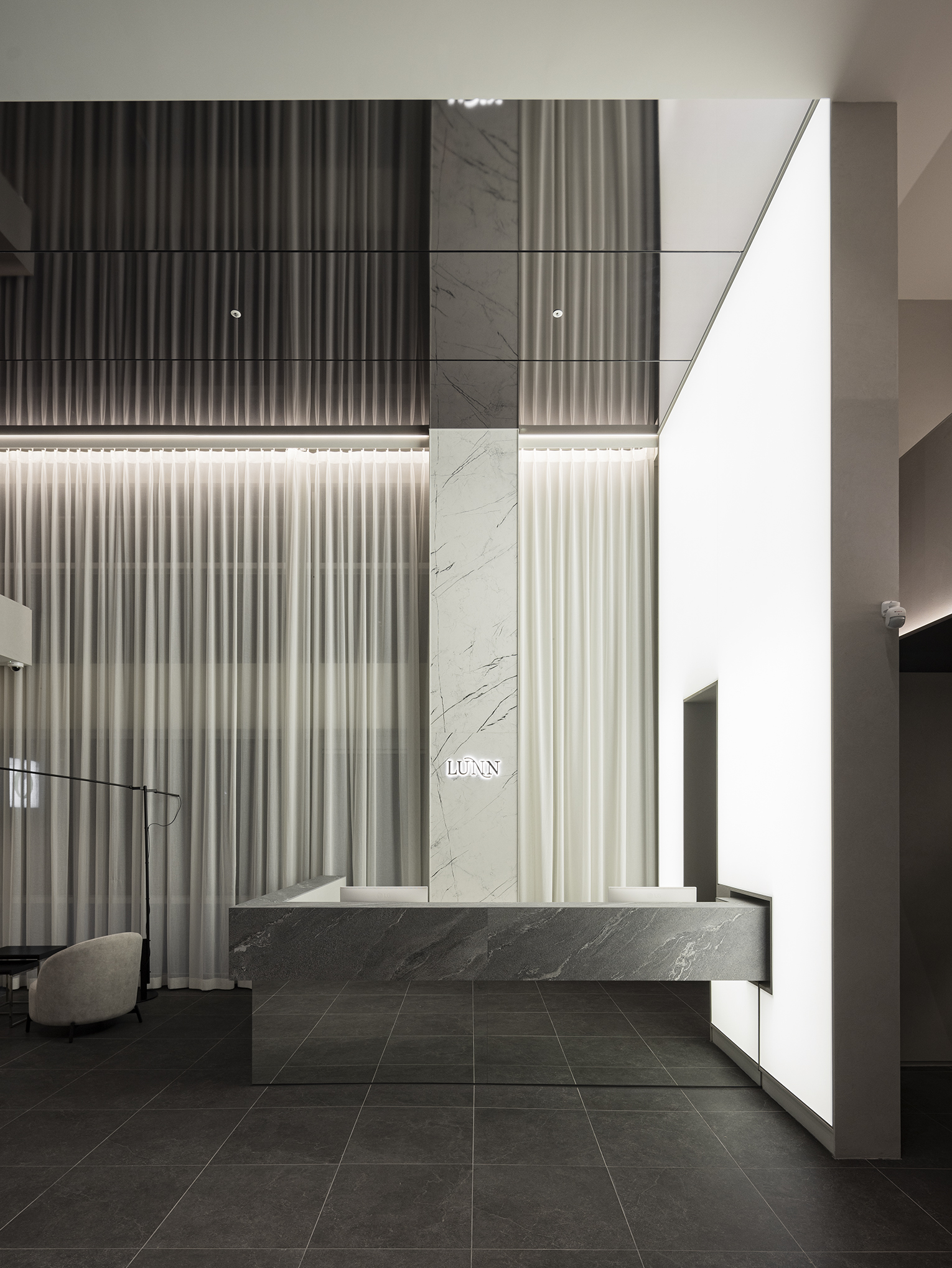
At LUNN, I personally oversee everything from the initial consultation to the final touch-up. We avoid the common 'factory' model where consultants handle the planning and doctors only perform the injection. In this space, with its 5-meter high ceilings designed for a sense of openness, I want you to feel that you are receiving professional, consistent care that respects the unique details of your face.
Key Takeaways
- Lifting is a structural design process involving the SMAS, dermis, and subcutaneous layers.
- We utilize a combination of Ultherapy, Thermage, and ONDA to address different aging concerns.
- Synergy programs with skin boosters can enhance the overall effectiveness of laser treatments.
- Honest consultation is paramount; we focus on natural harmony rather than excessive changes.
- Post-care, including UV protection and avoiding high heat, is essential for maintaining results.
Frequently Asked Questions
Q. How do I know which lifting treatment is right for me?
It depends on your facial structure and skin thickness. Ultherapy is excellent for deep sagging, while Thermage is better for surface elasticity. ONDA is often used for contouring. A professional assessment of your muscle and fat distribution is required to create a safe and effective plan.
Q. How many sessions are typically needed?
While some see an immediate 'glow,' the real structural changes occur over several months as collagen rebuilds. Depending on the device and your skin condition, maintenance sessions every 6 to 12 months are often recommended to preserve the results.
Q. Are there any side effects I should worry about?
Common reactions include temporary redness, slight swelling, or a warm sensation. These usually resolve within a few days. More significant side effects like burns or nerve irritation are rare when the procedure is performed by an experienced dermatologist who adjusts parameters to the individual's skin.
Q. Can I return to daily life immediately?
Most lifting treatments have minimal downtime. You may experience some mild swelling, but you can usually apply makeup and return to work the next day. However, I recommend avoiding intense heat (like saunas) for at least a week.
Q. Is the cost discussed upfront?
At LUNN, we prioritize value and a clinical-first approach. We discuss the investment required after we have established a clinical plan that fits your specific needs, rather than competing on low-cost, high-volume pricing.
If you are looking for a treatment that respects the natural balance of your face, a consultation at LUNN is the right first step.
LUNN / Dr. Park Hyungkwon
FAQ
- What is pore and acne scar laser treatment?
- It is a group of laser-based procedures designed to improve skin texture, reduce the appearance of enlarged pores, and soften acne scars. Different lasers target different aspects: some resurface the top layer, some stimulate collagen deeper in the dermis, and some break up pigment. A dermatologist selects the approach based on skin type, scar type, and goals.
- How many sessions are typically needed?
- The number varies with the laser and the concern. Superficial texture treatments often require three to six sessions spaced a few weeks apart, while deeper resurfacing may need fewer sessions with more downtime. Acne scars may need a combination approach over several months. Your dermatologist can outline a realistic plan after an in-person assessment.
- Is the treatment painful?
- Most patients describe it as a warm prickling or mild burning sensation. Topical numbing cream is used, and cooling devices are often applied during treatment. Discomfort is usually manageable, but individual tolerance varies. If pain is a concern, discuss it with your provider before the session.
- What are the common side effects?
- Expected side effects include redness, mild swelling, and temporary dryness or flaking, usually resolving within a few days to a week. Some patients experience temporary darkening of treated areas, especially with deeper or ablative lasers. Rare risks include infection or scarring. A dermatologist can review your specific risk profile before treatment.
- How much does it cost?
- Pricing depends on the laser type, the area treated, the number of sessions, and the clinic's location and provider expertise. Packages are often offered, but it is important to understand what is included. Consult with the clinic for a personalized estimate rather than relying on advertised starting prices.
- Are results permanent?
- Laser treatment can produce long-lasting improvement, but it does not stop the aging process or prevent new acne. Pores may appear larger again over time, and new scars can form if acne recurs. Maintenance sessions and a consistent skincare routine help preserve results.
- Can laser treatment make acne scars worse?
- When performed appropriately by a trained provider, worsening is uncommon. However, aggressive settings or treatment on active inflammation can lead to post-inflammatory pigmentation or, rarely, scarring. This is why a pre-treatment evaluation and a conservative approach in darker skin types are important.
- What alternatives exist if I want to avoid lasers?
- Alternatives include microneedling, chemical peels, subcision, dermal fillers for depressed scars, and topical retinoids. Each has different evidence, downtime, and suitability. A dermatologist can help you weigh them against laser options based on your skin and lifestyle.