
Post
A Dermatologist's 2026 Guide to PicoWay Laser for Melasma Treatment: Refining Pigment Details at LUNN
Hello, I am Dr. Hyoung-kwon Park, a board-certified dermatologist at LUNN in Cheongdam and Apgujeong Rodeo.
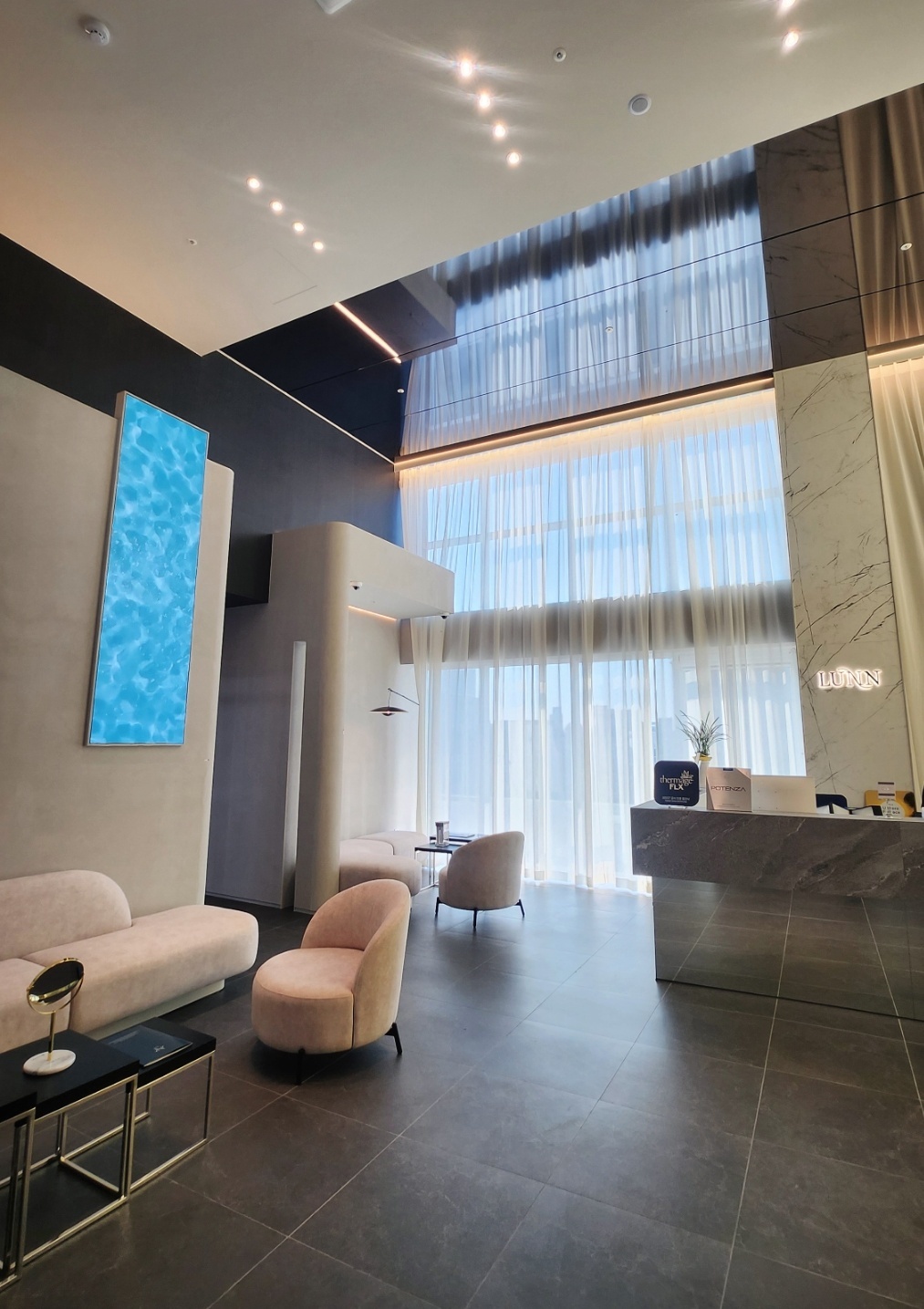
When addressing stubborn facial pigmentation, finding a solution that respects the intricate layers of the skin is essential. The picoway laser for melasma treatment offers a highly precise, advanced method to break down irregular melanin without relying on excessive thermal damage, thus providing a balanced pathway toward structural harmony and skin clarity.
1. Understanding PicoWay Laser for Melasma Treatment
Melasma is a complex, acquired pigmentary condition characterized by symmetrical brown or grayish patches on the face, commonly triggered by hormonal shifts, ultraviolet radiation, and chronic low-grade vascular inflammation. Because melasma involves hyperfunctional melanocytes that react aggressively to heat and trauma, traditional high-heat approaches can exacerbate the condition. Consequently, managing this disorder requires specialized, gentle care that can selectively neutralize pigment while minimizing irritation to the surrounding cellular environment, which is why a precise diagnostic assessment is always the critical first step.
The Science Behind PicoWay Picosecond Technology
Picosecond technology represents a significant evolution in aesthetic dermatology by delivering energy in trillionths of a second. The picoway laser for melasma treatment utilizes these ultra-short pulse durations to target unwanted melanin with remarkable speed. By compressing energy into such a brief window, the laser system achieves high peak power that impacts tissue before thermal energy can diffuse widely. This rapid delivery allows the laser to interact with pigment particles dynamically, offering a modern option for individuals seeking structured pigment management. At LUNN, we utilize this advanced technology to design precise treatment parameters tailored to the unique skin profile of each patient, ensuring that the integrity of the epidermal layer is maintained while deep dermal issues are addressed effectively. For those interested in how we integrate these concepts into wider skincare plans, you can read more in our A Specialist's 2026 Guide to Customized Synergy Skin Programs: Achieving Structural Harmony at LUNN.
2. How PicoWay Laser Selectively Targets Pigmentation
The primary mechanism of the PicoWay laser centers on creating a controlled mechanical disruption within the skin rather than a thermal reaction. By shifting the therapeutic focus from heat to sound waves, this technology allows for the degradation of localized pigment deposits with reduced risk of heat-induced rebound hyperpigmentation. This selective targeting ensures that only the hyperpigmented areas receive the mechanical impact, protecting the healthy surrounding cells from unnecessary stress.
Photoacoustic Effect Versus Traditional Thermal Lasers
The photoacoustic effect is a physical mechanism where rapid laser pulses generate intense acoustic shockwaves that shatter melanin into microscopic particles. Traditional thermal lasers rely heavily on photothermal action, which heats the target pigment and can cause collateral thermal damage to adjacent tissues. In contrast, the photoacoustic approach minimized thermal stress, reducing the likelihood of post-inflammatory hyperpigmentation which is a frequent concern in melasma management. Clinical observations indicate that utilizing photoacoustic delivery supports consistent pigment targeting across multiple sessions, provided that the energy levels are calibrated to the patient's specific skin tolerance. This mechanical shattering facilitates easier clearance of the fragmented pigment by the body's natural macrophage system, rendering the overall process highly efficient for managing delicate epidermal zones without inducing excessive inflammation.
Addressing Both Epidermal and Deep Dermal Melanin Layers
Melasma rarely resides on the surface alone; it typically presents as a mixed condition involving both superficial epidermal layers and deeper dermal structures. The PicoWay system utilizes multiple wavelengths, including 532nm and 1064nm, to address these distinct depths within the cutaneous architecture. The 532nm wavelength effectively targets superficial epidermal melanin, while the 1064nm wavelength penetrates deeply into the dermis to reach deep-seated pigment deposits. By utilizing these complementary wavelengths, the treatment provides a comprehensive, multi-layered approach to pigmentation. However, because deep dermal melanin requires multiple phases of clearing, patients should understand that results vary individually, and a structured series of sessions is generally necessary to address deep-seated discoloration. To better understand how multi-layered approaches benefit overall facial aesthetics, you may consult A Dermatologist's 2026 Guide to Premium Multi-Layer Skin Lifting in Korea: Achieving Structural Harmony.
3. Comparing PicoWay Laser with Alternative Melasma Therapies
When evaluating choices for hyperpigmentation care, comparing the fundamental technological profiles of available therapies is crucial. Selecting an appropriate modality requires balancing the energy delivery speed, thermal impact, and expected clinical behavior across different skin phenotypes. A neutral comparison helps establish realistic expectations regarding the physiological responses elicited by different laser modalities and topical regimens.
| Feature / Modality | PicoWay Picosecond Laser | Traditional Q-Switched Nanosecond Laser | Topical Toning / Chemical Peels |
|---|---|---|---|
| Primary Mechanism | Photoacoustic (Acoustic shockwaves) | Photothermal (Heat accumulation) | Chemical exfoliation & Tyrosinase inhibition |
| Pulse Duration | Picoseconds (Trillionths of a second) | Nanoseconds (Billionths of a second) | Continuous topical application |
| Target Pigment Particle Size | Shcatters into microscopic particles | Breaks into larger fragments | Inhibits synthesis / exfoliates surface |
| Thermal Stress Risk | Low thermal diffusion | Higher risk of collateral heat stress | Minimal thermal risk; chemical irritation risk |
| Typical Session Interval | Spaced 3 to 4 weeks apart | Spaced 1 to 2 weeks apart | Daily use or monthly clinical application |
PicoWay Versus Traditional Q-Switched Nanosecond Lasers
Traditional Q-switched nanosecond lasers deliver energy in billionths of a second, which represents a significantly longer pulse duration than picosecond systems. While nanosecond lasers have been used extensively for toning, their longer pulse duration means that energy remains in contact with the melanin longer, creating a more pronounced photothermal effect. This heat accumulation can occasionally overstimulate sensitive melanocytes, leading to potential complications such as patchy hypopigmentation or rebound melasma. The picoway laser for melasma treatment reduces this photothermal footprint by operating in the picosecond domain, which allows the energy to shatter melanin into much smaller particles. These smaller particles are more readily cleared by the body's lymphatic system compared to the larger fragments left by nanosecond lasers. Nevertheless, even with advanced picosecond delivery, clinical outcomes depend heavily on the provider's technique and individual skin characteristics.
Clinical Comparison of Laser Toning and Topical Options
Laser toning using picosecond devices works through physical fragmentation of melanin, whereas topical treatments like hydroquinone, retinoids, or mild chemical peels rely on chemical pathways to inhibit pigment production or accelerate cellular turnover. Topical agents are valuable for maintenance and controlling melanocyte activity on the surface, but they often face limitations when trying to penetrate deep dermal melasma layers effectively. On the other hand, laser energy can reach deeper targeted zones directly. Combining these modalities can be highly beneficial, but such combinations must be carefully monitored by a specialist to avoid cumulative skin irritation. In our clinical experience at LUNN, a balanced approach that respects the skin's natural barrier functions yields the most consistent long-term stability, avoiding the pitfalls of over-treating the epidermis. For further reading on comprehensive skin assessments, please view A Specialist's 2026 Guide to Dermatologist-Led Skin Analysis: Achieving Structural Harmony at LUNN.
4. The Treatment Process and Safety Protocols at Lunn Dermatology Clinic
Safe and effective pigment reduction requires a rigorous protocol that prioritizes individual skin dynamics over generic settings. At Lunn Dermatology Clinic, we focus on meticulous planning, personalized parameter adjustments, and thorough post-treatment care to ensure the skin remains calm and protected throughout its recovery phase.
Customized Pigmentation Design by Dr. Hyoung-kwon Park
Every face presents a unique distribution of pigment, vascularity, and structural depth, meaning that a cookie-cutter setting cannot deliver optimal harmony. At LUNN, I personally evaluate each patient's skin using advanced diagnostic clarity to map out a customized pigmentation design. This personalized planning dictates the precise wavelengths, spot sizes, and energy fluences used during the procedure. We focus on the minor details, adjusting parameters by minute increments because even a 1mm difference in targeting can alter how the skin responds and recovers. This meticulous, specialist-led approach focuses entirely on your unique skin profile, ensuring that your skin receives the precise care it requires to achieve a balanced, natural clarity.
Managing Potential Side Effects and Post-Treatment Care
While the picoway laser for melasma treatment is designed to minimize thermal damage, it is important to note that certain side effects and limitations can occur. Patients may experience temporary erythema, mild swelling, or transient hyperpigmentation immediately following the procedure. In rare cases, minor crusting or temporary blistering can manifest if the skin is exceptionally sensitive. To mitigate these risks, strict post-treatment care is essential: avoiding direct sun exposure, applying a broad-spectrum sunscreen daily, and utilizing prescribed barrier-repair creams are mandatory steps. Furthermore, melasma is a chronic condition that can experience recurrence due to UV exposure or hormonal shifts, meaning that maintenance sessions and continuous sun protection are typically required to sustain long-term clarity. You can follow our regular clinical updates on Threads @dr.lunn for more skin care insights.
Key Takeaways
- The PicoWay laser targets melasma using a photoacoustic effect, shattering melanin with acoustic shockwaves instead of high heat.
- Multiple wavelengths allow the system to address both superficial epidermal patches and deep dermal pigment layers.
- Compared to traditional nanosecond lasers, the picosecond delivery minimizes thermal stress and reduces the risk of rebound hyperpigmentation.
- At LUNN, every treatment is customized through a personalized skin assessment to maintain structural harmony.
- Strict post-treatment sun protection and gentle barrier care are essential to manage potential redness and prevent pigment recurrence.
Frequently Asked Questions
Q. What is a PicoWay laser and how does it work for melasma?
A. PicoWay is an advanced picosecond laser system that delivers ultra-short pulses of energy to the skin in trillionths of a second. Instead of relying on heat accumulation, it utilizes a powerful photoacoustic effect to shatter stubborn melasma pigment into microscopic, dust-like particles. This allows the body's natural metabolic processes to gradually clear the pigment away over time while minimizing thermal stress to the surrounding healthy skin tissue.
Q. How many PicoWay laser sessions are typically required to see results for melasma?
A. The total number of sessions required varies depending on the depth, density, and chronicity of the pigmentation. While some individuals may notice a gradual softening of surface patches after a few treatments, a standard clinical protocol often involves a series of multiple sessions spaced several weeks apart. A precise estimate can only be established after a comprehensive, professional skin analysis at LUNN.
Q. What factors influence the cost of PicoWay laser melasma treatment?
A. The overall cost of the treatment plan depends on several variables, including the total surface area being treated, the complexity and depth of the pigmentation, and the total number of sessions required to achieve stable results. Because every face requires a highly customized approach, detailed pricing options are provided during an individual consultation based on your specific anatomical needs.
Q. Are there any side effects or risks associated with PicoWay laser for melasma?
A. Potential side effects include temporary redness, mild swelling, and transient changes in skin pigmentation, such as hyperpigmentation or hypopigmentation. While the picosecond technology significantly reduces thermal damage, individual skin responses can vary. Adhering to professional post-treatment guidelines and maintaining strict sun protection are vital to minimize these risks and support skin recovery.
Q. Is there any downtime after a PicoWay laser session?
A. Downtime is typically minimal, allowing most individuals to return to their regular daily activities shortly after the procedure. Some patients may experience mild erythema or slight swelling immediately following the session, resembling a mild sunburn. These symptoms are generally transient and resolve naturally within a few hours to a few days, depending on individual skin sensitivity.
Q. Can PicoWay laser be combined with other melasma treatments?
A. Yes, the PicoWay laser can often be integrated into a broader management plan that includes targeted topical treatments or gentle chemical peels to address multi-layered pigmentation. However, any combination therapy must be carefully designed, timed, and monitored by a qualified dermatologist. This careful planning ensures that the skin barrier is not over-stimulated, preventing cumulative irritation.
Q. Is PicoWay laser safe for all skin types experiencing melasma?
A. The PicoWay system is engineered with multiple wavelengths, making it adaptable for a wide range of skin types, including darker skin tones that carry a higher risk of post-inflammatory hyperpigmentation. A thorough pre-treatment evaluation is essential to determine the safest energy settings. This step ensures that the mechanical impact is optimized for your specific skin type without causing unnecessary complications.
For personalized guidance on managing pigmentation, please contact LUNN to schedule an individual consultation.
LUNN / Dr. Hyoung-kwon Park
FAQ
- What is a PicoWay laser and how does it work for melasma?
- PicoWay is an advanced picosecond laser system that delivers ultra-short pulses of energy to the skin in trillionths of a second. Instead of relying on heat accumulation, it utilizes a powerful photoacoustic effect to shatter stubborn melasma pigment into microscopic, dust-like particles. This allows the body's natural metabolic processes to gradually clear the pigment away over time while minimizing thermal stress to the surrounding healthy skin tissue.
- How many PicoWay laser sessions are typically required to see results for melasma?
- The total number of sessions required varies depending on the depth, density, and chronicity of the pigmentation. While some individuals may notice a gradual softening of surface patches after a few treatments, a standard clinical protocol often involves a series of multiple sessions spaced several weeks apart. A precise estimate can only be established after a comprehensive, professional skin analysis at lunnclinic.
- What factors influence the cost of PicoWay laser melasma treatment?
- The overall cost of the treatment plan depends on several variables, including the total surface area being treated, the complexity and depth of the pigmentation, and the total number of sessions required to achieve stable results. Because every face requires a highly customized approach, detailed pricing options are provided during an individual consultation based on your specific anatomical needs.
- Are there any side effects or risks associated with PicoWay laser for melasma?
- Potential side effects include temporary redness, mild swelling, and transient changes in skin pigmentation, such as hyperpigmentation or hypopigmentation. While the picosecond technology significantly reduces thermal damage, individual skin responses can vary. Adhering to professional post-treatment guidelines and maintaining strict sun protection are vital to minimize these risks and support skin recovery.
- Is there any downtime after a PicoWay laser session?
- Downtime is typically minimal, allowing most individuals to return to their regular daily activities shortly after the procedure. Some patients may experience mild erythema or slight swelling immediately following the session, resembling a mild sunburn. These symptoms are generally transient and resolve naturally within a few hours to a few days, depending on individual skin sensitivity.
- Can PicoWay laser be combined with other melasma treatments?
- Yes, the PicoWay laser can often be integrated into a broader management plan that includes targeted topical treatments or gentle chemical peels to address multi-layered pigmentation. However, any combination therapy must be carefully designed, timed, and monitored by a qualified dermatologist. This careful planning ensures that the skin barrier is not over-stimulated, preventing cumulative irritation.
- Is PicoWay laser safe for all skin types experiencing melasma?
- The PicoWay system is engineered with multiple wavelengths, making it adaptable for a wide range of skin types, including darker skin tones that carry a higher risk of post-inflammatory hyperpigmentation. A thorough pre-treatment evaluation is essential to determine the safest energy settings. This step ensures that the mechanical impact is optimized for your specific skin type without causing unnecessary complications.