
Post
A Dermatologist's 2026 Guide to Under-Eye Filler and Dark Circle Treatment in Seoul
Hello, I am Dr. Park Hyung-kwon, a board-certified dermatologist at Lunn Dermatology Clinic.
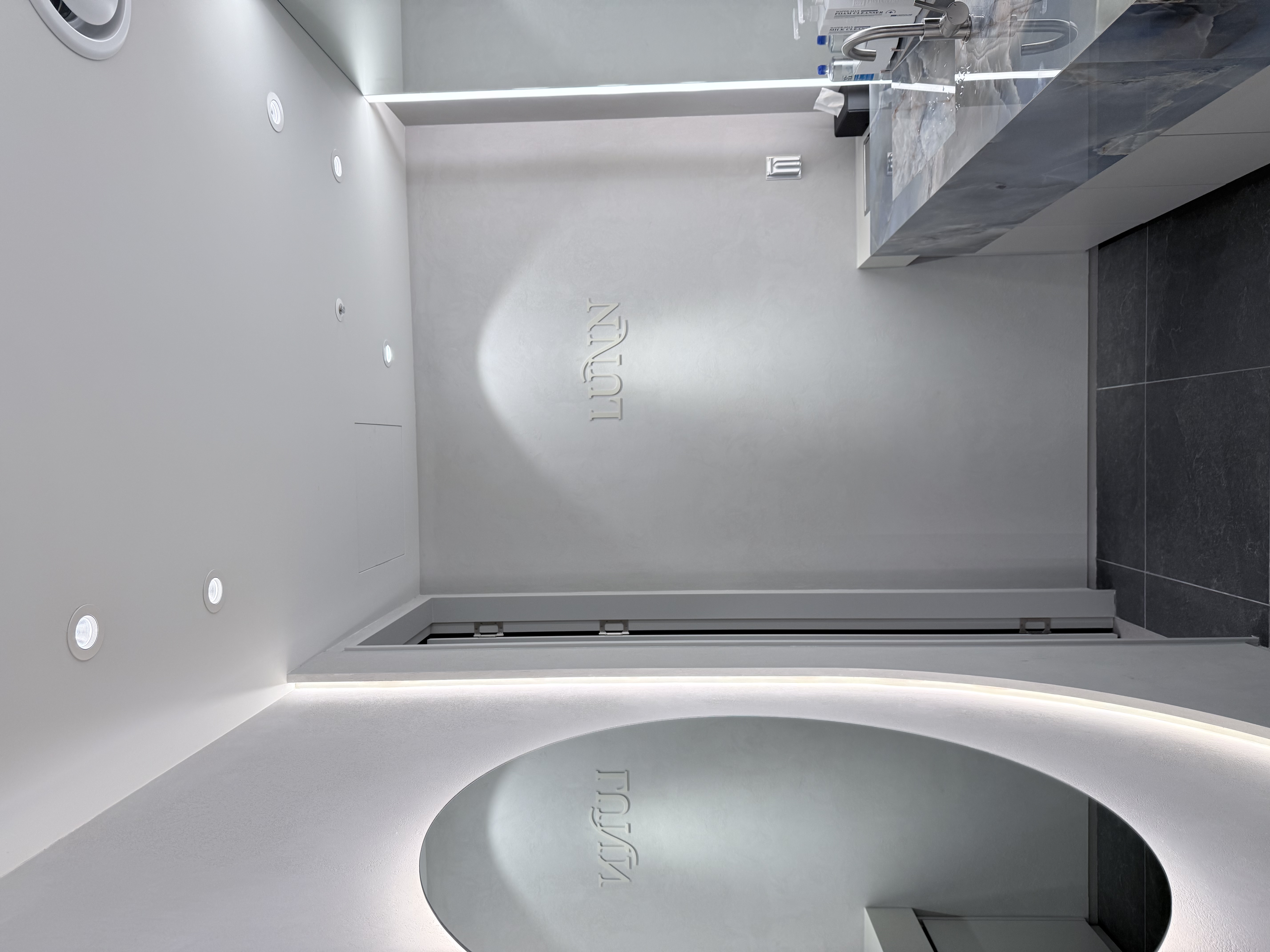
Located in the heart of Cheongdam, our clinic focuses on the philosophy of refining skin details to achieve a balanced, natural structural harmony for each individual patient.
Dark circles are a complex, multi-layered concern that requires a deeply nuanced approach rather than aggressive, one-size-fits-all treatments. When considering an under-eye filler treatment Seoul offers advanced options, yet the true success of the procedure depends entirely on the precision of the diagnostic approach and the customization of product properties to suit your unique dermal architecture.
Understanding Dark Circles and Under-Eye Filler Treatment in Seoul
Dark circles are frequently defined not just by surface pigment issues, but primarily by the distinct shadows cast when the tear trough ligament pulls down on the delicate skin. If you often hear that you look tired, brightening just the under-eye area can make you look five years younger. This condition involves a combination of structural contouring, vascular pooling, and localized thinning of the skin. Managing this area requires extreme delicacy, as improper placement or excessive product volume can irritate the periorbital structures and lead to unnatural puffiness.
What Are Dark Circles and Why Do They Occur?
Dark circles are a deeply rooted anatomical concern that cannot be resolved by superficial skin treatments alone. The condition often involves structural volume loss, where the boundary between a mountain and a valley creates a distinct shadow under the eyes. Additionally, hyperactive vascular networks and dermal thinning contribute significantly to the discoloration. Understanding the deep, biological nature of your skin layers and facial anatomy is the first step toward achieving a sustainable improvement in your overall facial harmony.
The Science Behind Low-Hydrophilic Filler Technology
A Dermatologist's 2026 Guide to Under-Eye Filler for Dark Circles: Refining Details at LUNN explains that modern under-eye correction utilizes specialized dermal fillers with low-hydrophilic (low water-binding) properties, such as Belotero. This specific physical property ensures that the gel absorbs minimal water from surrounding tissues, drastically reducing post-treatment swelling and preventing the bluish translucent appearance known as the Tyndall effect. The filler seamlessly integrates into the delicate sub-orbicularis oculi space to lift the shadow-casting hollows safely.
A Medical Perspective on Under-Eye Volume Management at LUNN
At LUNN, under-eye management is approached through the lens of meticulous structural design and a thorough analysis of facial contours. We recognize that dark circles are not merely surface blemishes but indicators of deeper structural shadows and tissue characteristics. Our process begins with a comprehensive manual evaluation of muscle thickness, wrinkle depth, eye protrusion, and localized fat volume. By avoiding high-volume, factory-like procedures, we ensure that every session follows a conservative approach—under-correcting slightly to prioritize natural balance and long-term stability.
How Under-Eye Filler Safely Targets Shadows in Cheongdam
The structural refinement represents a significant advancement in how dermatological treatments interact with delicate periorbital tissue. Utilizing precise dermal placement allows physicians to smooth out the transition zones that create hollows. This approach minimizes post-injection puffiness, which is an important consideration for managing sensitive skin regions where maintaining a natural contour is paramount.
Structural Volume Correction vs Superficial Treatments
The fundamental difference between these modalities lies in the mechanism of shadow elimination and the preservation of natural expressions. Superficial topical treatments or simple pigment lasers target surface discoloration but fail to address the true root cause: the structural indentation from the tear trough ligament. In contrast, targeted volume correction lifts the depressed tissue to eradicate the shadow. This precise placement under minimal tissue stress allows for a safer restoration of the under-eye contour without altering your natural facial dynamics.
Customizing Injection Parameters for Delicate Eye Areas
Asian skin and facial structures possess unique baseline bone contours and fat distributions, making the periorbital area highly susceptible to unnatural puffiness or product migration if treated carelessly. To safely perform an under-eye filler treatment Seoul specialists must carefully adjust the injection depth, exact volume, dilution, and precise placement to match the patient's profile. Customizing these physical parameters ensures the filler integrates perfectly within the deep dermal or pre-periosteal layers while keeping the natural expressions uninhibited.
Addressing Multi-Layered Dark Circles with a Tailored Approach
Dark circles rarely stem from a single anatomical factor, often presenting as a mixed type that spans across structural hollowing, vascular pooling, and dermal pigmentation. To effectively manage this complex structure, a tailored approach is required. Clinical experience shows that even vascular or pigmentary dark circles frequently improve when under-eye fillers are used to refine the deep dermal environment. By methodically addressing both the volume deficit and tissue environment, we achieve a gradual, uniform brightening that restores structural harmony.
Understanding Different Approaches to Under-Eye Rejuvenation
When evaluating options for under-eye care, understanding the distinct operational mechanisms of various modalities helps clarify how each approach interacts with the skin. Different clinical techniques are selected based on the specific characteristics, depth, and stability of the contours being addressed.
Technical Characteristics of Low-Hydrophilic and Traditional Fillers
Dermal fillers utilize different cross-linking technologies to achieve varying physical properties. Traditional high-affinity hyaluronic acid fillers absorb significant moisture, which can cause excessive puffiness or a lumpy texture in the thin under-eye skin. On the other hand, low-hydrophilic filler technology delivers stable volume with minimal water absorption. This rapid integration shifts the primary benefit toward predictable, precise contouring, maintaining structural integrity without conducting excessive fluid into the surrounding delicate tissues.
Clinical Roles of Dermal Fillers and Alternative Treatments
Dermal fillers and alternative skin treatments address under-eye aging through entirely different pathways. Under-eye filling provides an immediate method of neutralizing structural shadows within deep tissue layers while keeping the outer skin surface completely intact. In contrast, alternative options like superficial skincare or energy-based devices focus on skin elasticity or cellular turnover. Each modality serves a specific role depending on whether the primary concern is structural hollowing, fine surface wrinkling, or pure pigmentary distribution.
What to Expect: Side Effects, Risks, and Recovery Realities
Every advanced dermatological procedure carries inherent limitations, and an honest evaluation of post-treatment expectations is an essential component of a professional medical consultation. While utilizing advanced low-hydrophilic fillers minimizes post-procedure swelling, patients should understand that individual responses can vary significantly based on their baseline tissue sensitivity and compliance with post-procedure care protocols.
Managing Temporary Swelling and Bruising Post-Treatment
Following an under-eye filler session, it is normal to experience mild, temporary swelling or slight bruising near the injection sites. These symptoms are a natural physiological response to the micro-cannula or needle passing through vascularized tissue and typically resolve within a few days. Applying a cold compress gently and avoiding strenuous exercise or heat exposure can assist in calming the area during this brief recovery period, ensuring the skin returns to its baseline state smoothly.
The Reality of Under-Eye Shadow Management and Individual Variations
Under-eye aging is an ongoing, dynamic process driven by natural skeletal resorption, fat migration, and environmental factors. It is critical to understand that while under-eye fillers can significantly fade structural shadows and hollows, they do not permanently halt the natural aging process. Results will vary among individuals depending on facial anatomy, lifestyle habits, and metabolic breakdown of the filler material. A conservative approach focused on gradual adjustment is generally necessary to maintain long-term facial balance.
Essential Post-Filler Care and Maintenance Routine
The success of any aesthetic treatment depends heavily on the diligent routine maintained at home immediately following the procedure. The treated area must be handled gently, avoiding aggressive massages, facial rubs, or sleeping face-down for at least one to two weeks to prevent product displacement. Additionally, maintaining optimal hydration and applying proper broad-spectrum sun protection will support general skin health. Remember, a good camera doesn't guarantee a masterpiece; the refined eye and hand of the physician handling the product ultimately create the final, harmonious result.
A Specialist's 2026 Guide to Customized Synergy Skin Programs: Achieving Structural Harmony at LUNN emphasizes that combining advanced product properties with precise, professional guidance is a highly effective approach to supporting long-term dermal health. For those exploring a personalized approach to an under-eye filler treatment Seoul based LUNN offers dedicated diagnostic consultations to design a plan tailored specifically to the unique nuances of your facial structure.
Key Takeaways
- Dark circles are often a structural issue caused by tear trough ligaments creating shadows, resembling the boundary between a mountain and a valley.
- Low-hydrophilic fillers like Belotero are preferred for the under-eye area to minimize water-binding, puffiness, and the Tyndall effect.
- A successful outcome depends on the physician's eye and manual diagnostic mapping of muscle thickness, fat volume, and eye protrusion.
- Under-eye rejuvenation requires a conservative approach—under-correcting slightly—and a dedicated home care routine to ensure natural, long-term harmony.
Frequently Asked Questions
Q. What is an under-eye filler and how does it address dark circles?
An under-eye filler is a specialized injectable gel used to restore lost volume in the tear trough area. It addresses dark circles by lifting the deep structural indentations caused by ligaments, which eliminates the hollow shadows that make you look tired. When low-hydrophilic fillers are placed precisely, they can also improve the appearance of vascular or pigmentary dark circles by refining the true dermal environment.
Q. Is there any downtime associated with under-eye filler treatments?
The downtime associated with under-eye fillers is minimal, allowing most patients to return to their daily routines immediately. You may experience temporary mild swelling, slight tenderness, or minor bruising at the injection site, which typically subsides within a few days. Because there are no surface incisions, gentle skincare and makeup can be applied shortly after the procedure.
Q. What are the potential side effects of under-eye fillers?
Potential side effects include temporary swelling, bruising, mild asymmetry, and localized tenderness. If a high-affinity hyaluronic acid filler is used incorrectly, it may cause unnatural puffiness or a bluish tint known as the Tyndall effect. At LUNN, we mitigate these risks by using low-hydrophilic fillers and performing a precise manual assessment of your unique anatomy prior to injection.
Q. How many treatment sessions are generally needed to see results?
Unlike energy-based treatments, under-eye fillers provide immediate volume restoration after a single session. However, because we follow a conservative approach—believing that letting go of greed yields the most natural results—we often perform a slight under-correction during the initial visit. A minor touch-up session may be scheduled after 2 to 4 weeks to observe the progress and perfect the structural harmony.
Q. Can under-eye filler permanently cure dark circles?
No treatment can permanently halt the natural facial aging process or skeletal resorption. While under-eye fillers provide long-lasting improvement—frequently maintaining results for several months depending on the specific product properties and individual metabolism—the material will gradually break down over time. Periodic maintenance sessions are required to preserve the refined contours.
Q. How do low-hydrophilic fillers compare to traditional high-affinity fillers?
Traditional fillers tend to attract significant amounts of water post-injection, which frequently leads to an overfilled, unnatural appearance or chronic swelling in the delicate periorbital region. Low-hydrophilic fillers, such as Belotero, possess unique physical properties that minimize water absorption. This allows the specialist to achieve highly predictable, precise adjustments without the risk of post-treatment puffiness.
Q. How much does under-eye filler treatment typically cost in Seoul?
The cost of under-eye filler treatments in Seoul varies based on the specific brand of product used, the clinic's location, and the specialized anatomical expertise of the dermatologist. Rather than choosing low-cost factory-like clinics where consultations are left entirely to coordinators, it is highly recommended to seek a specialist who personally manages the entire process from structural analysis to final injection.
To discuss a tailored plan for your skin, contact LUNN / Dr. Park Hyung-kwon. You can also explore insights on Threads @dr.lunn.
FAQ
- What is a Pico laser and how does it address stubborn melasma?
- A Pico laser is an advanced medical device that delivers energy pulses in picoseconds, which are one-trillionth of a second. This ultra-short duration creates a powerful photoacoustic effect that shatters melanin into tiny, dust-like particles without causing excessive heat buildup in the surrounding skin. This mechanical fragmentation allows the body to naturally clear deep, stubborn pigmentation over a series of treatments while minimizing the risk of thermal damage.
- Is there any downtime associated with Pico laser melasma treatments?
- The downtime associated with Pico laser toning is typically minimal, allowing most patients to return to their daily routines immediately. You may experience temporary redness, mild swelling, or a slight warming sensation in the treated area, but these symptoms usually subside within a few hours to two days. Because the outer layer of the skin remains intact, you can apply gentle makeup and skincare shortly after the procedure.
- What are the potential side effects of Pico laser toning?
- Potential side effects include temporary erythema, mild swelling, localized dryness, and, in rare instances, transient post-inflammatory hyperpigmentation or hypopigmentation. Individual skin responses vary based on baseline skin health, sensitivity, and adherence to aftercare guidelines. A thorough dermatological evaluation prior to the procedure is essential to customize the settings and mitigate these risks.
- How many treatment sessions are generally needed to see results?
- The exact number of treatment sessions depends on the depth, density, and chronic nature of your specific melasma patches. In our clinical experience at lunnclinic, patients typically undergo a series of 5 to 10 sessions spaced at regular 2-to-4-week intervals to achieve optimal pigment reduction. Gradual improvement is monitored closely at each visit to adjust the laser parameters safely.
- Can Pico laser treatment permanently cure melasma?
- Melasma is a chronic, genetically and hormonally influenced condition, meaning there is no absolute permanent cure. While Pico laser treatments can significantly fade existing pigmentation and even out skin tone, individual results vary, and recurrence is possible. Long-term management requires a combination of periodic maintenance treatments, strict sun protection, and a barrier-supportive skincare regimen.
- How does Pico laser compare to traditional laser toning?
- Traditional laser toning relies on nanosecond pulses that generate a photothermal effect, heating the target melanin and potentially irritating surrounding melanocytes. Pico laser technology utilizes photoacoustic shockwaves, fracturing the pigment mechanically with minimal thermal stress. This reduced heat exposure significantly lowers the risk of rebound hyperpigmentation, making it a safer alternative for sensitive skin.
- How much does Pico laser melasma treatment typically cost in Seoul?
- The cost of Pico laser treatments in Seoul varies widely depending on the clinic's location, the specialized expertise of the dermatologist, and the specific laser technology utilized. Rather than seeking out low-cost promotional events, which may use standardized settings, it is highly recommended to consult a qualified specialist who can provide a personalized, medically sound treatment plan based on your skin condition.