
Post
A Dermatologist's Guide to Structural Rejuvenation and Layered Skin Design: Refining Details and Skin Harmony
Hello, I am Dr. Park Hyungkwon, a board-certified dermatologist at Lunn Dermatology Clinic, located in the heart of Cheongdam and Apgujeong Rodeo. When addressing complex skin concerns, achieving true structural balance requires an intimate understanding of the skin's architectural layers. A layered, customized treatment approach represents a highly tailored, evidence-based dermatological methodology designed to analyze and address tissue across multiple depths, restoring a smoother texture and natural skin harmony.
At LUNN, our brand philosophy is captured in our slogan: "Refining the Details. Achieving Perfect Harmony." Rather than offering superficial, factory-like treatments, we prioritize a meticulous, customized architectural design for every individual face. I believe that natural outcomes are the true measure of dermatological expertise, which requires balancing the entire face rather than focusing on a single isolated concern. Patients experience this professional dedication within our spacious, structured clinic environment designed to ensure an optimal clinical experience.
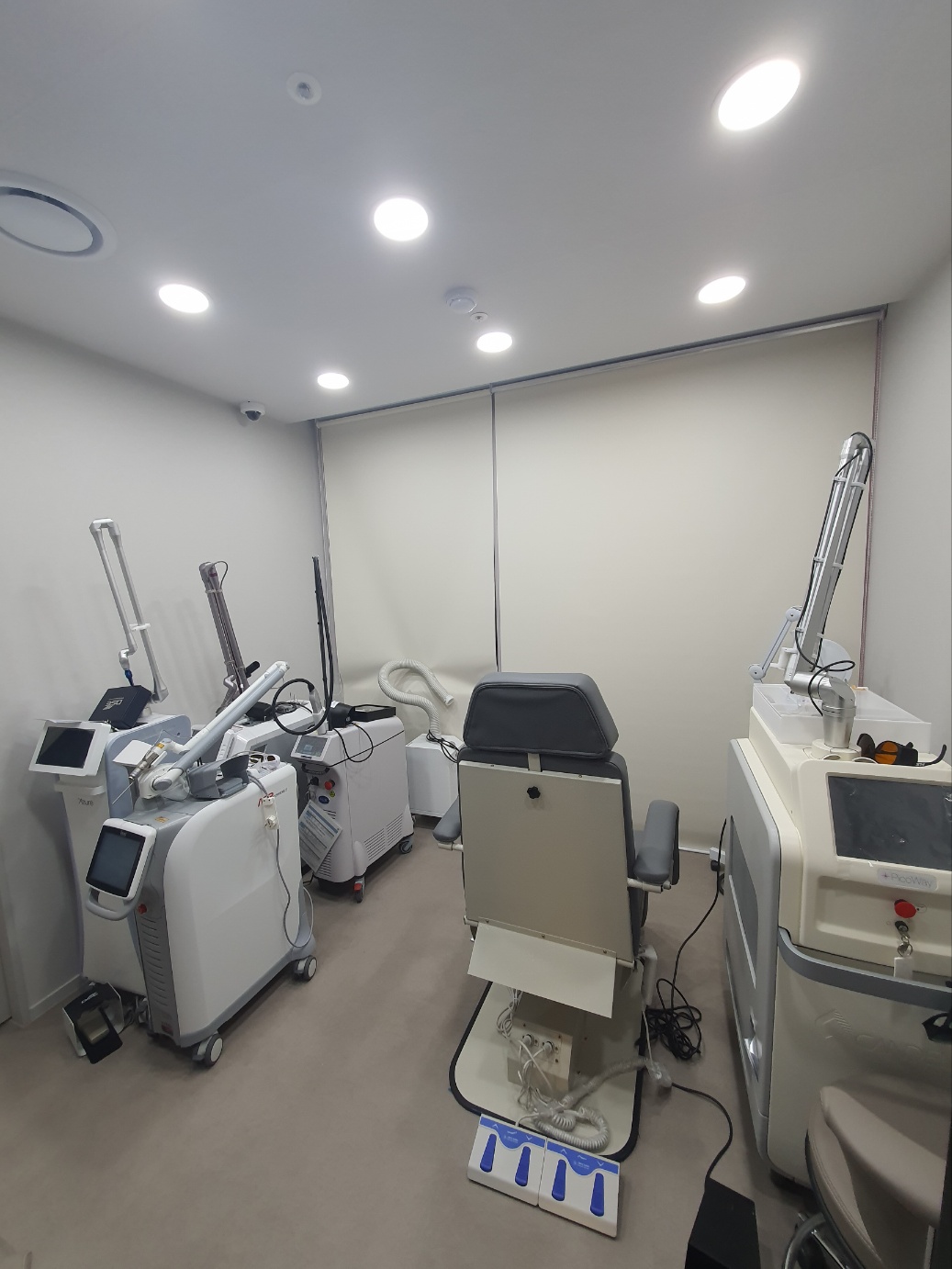
The Philosophy of Layered Skin Design: A Comprehensive Overview
Approaching skin health through a layered design is an advanced dermatological protocol that respects the distinct architectural depths of the skin. Unlike uniform, single-modality procedures that only address the surface, this sophisticated methodology evaluates both superficial epidermal characteristics and deep structural conditions. By customizing energy delivery and treatment modalities to the unique anatomical needs of each individual patient, this approach aims to stimulate comprehensive dermal health and tissue refinement.
What is a Layered, Customized Treatment Approach?
This specialized intervention combines distinct dermatological techniques within a structured treatment plan to systematically address diverse skin characteristics. Facial aging and skin irregularities are rarely uniform; a single patient often presents a combination of volume shifts, skin laxity, and fine structural modifications. By carefully selecting and calibrating targeted energy delivery, we can provide precise changes to different zones of the skin. This multi-tiered strategy encourages deep structural support while simultaneously promoting optimal epidermal texture.
The Anatomy of Skin Aging and Why Surface Treatments Fail
Structural skin changes are the remnants of progressive transformations that alter the delicate architecture of the dermis, epidermis, and underlying support structures. As aging occurs, the normal structural matrix is modified, and deep fibrotic changes or volume shifts can pull or sag the surface downward. Traditional superficial therapies, such as mild external skin applications, may have limitations in addressing deep structural changes because they typically do not reach the deep dermal or fascial layers where the underlying structural anchoring exists. To achieve visible refinement, an intervention must penetrate beyond the upper epidermis and directly support these deeper structural bonds.
How a Layered Approach Targets Both Epidermis and Deep Support Structures
A layered protocol systematically addresses the distinct anatomical zones affected by skin aging and laxity. For instance, when analyzing advanced energy treatments like Ultherapy and Thermage, we look at the skin as an interconnected structure. Ultherapy targets the deep superficial muscular aponeurotic system (SMAS) layer to provide deep structural support, while Thermage delivers uniform thermal energy to the dermis to refine overall skin elasticity. Additionally, advanced technologies like ONDA can simultaneously address localized volume reduction and skin tightening. This dual-action approach triggers a comprehensive healing cascade, stimulating fibroblasts to produce fresh structural components. However, individual healing responses always vary, and multiple sessions or targeted combinations may be required to achieve structural harmony.
The Scientific Mechanism: How LUNN Approaches Rejuvenation and Structural Volume
The scientific mechanism of layered skin design relies on addressing the distinct components of tissue through precise, targeted interventions. At Lunn Dermatology Clinic, our medical philosophy focuses on the meticulous analysis of anatomical structures and the strategic stimulation of new structural fibers. Rather than relying on a singular technique or machine, we combine advanced modalities to address the multi-dimensional nature of facial aging. This evidence-based approach respects the delicate mechanics of the skin, minimizing unnecessary stress to surrounding healthy tissue while optimizing structural refinement.
Synergistic Programming: Layered Treatments and Skin Conditioners
A core element of our approach is the synergy between advanced energy devices and foundational skin nourishment. Just as a dry field requires deep hydration before cultivation, integrating tailored skin boosters can significantly enhance the environment of the dermis, thereby optimizing the outcomes of deeper energy-based treatments. Combining deep structural lifting with specialized dermal hydration creates a supportive foundation for tissue remodeling. Furthermore, proper post-treatment care—including strict UV protection, adequate moisture barrier support, and avoiding intense heat or saunas for at least one week—is essential to protect the skin during its vulnerable recovery phase.
Precision in Facial Volume and the Lower Eyelid Region
Addressing delicate facial areas, such as the lower eyelid region, requires an advanced understanding of structural shadow dynamics. Dark circles are frequently caused by structural shifts, such as the tension of the tear trough ligament creating an anatomical shadow, rather than simple pigment changes. In these specific cases, utilizing specialized low-hydrophilicity fillers (such as Belotero) can precisely refine the area while minimizing post-treatment swelling or the Tyndall effect. Additionally, our clinical experience shows that optimizing the deep dermal environment can also improve vascular or pigment-related shadows. To maintain absolute clinical transparency, all structural assessments and documentation are performed under strict, non-retouched, natural conditions.
Detailed Balance and Precision Dosing
Every advanced dermatological procedure requires a highly conservative and precise approach to dosing and placement. For instance, common neuromodulator treatments demand meticulous adjustments across four critical parameters: injection location, total dosage, dilution concentration, and injection depth. Rather than applying a standard template, it is essential to measure individual muscle mass and thickness. For younger patients, the focus is placed on early structural prevention, whereas mature skin profiles benefit from a strategic combination of volume restoration and structural tightening. Potential temporary side effects like localized asymmetry or temporary expressions are prevented by conducting thorough physical palpation and structural analysis prior to any clinical delivery, ensuring a balanced and natural result.
Comparing Structural Treatment Modalities: Layered vs. Traditional Methods
When evaluating choices for facial rejuvenation, it is essential to understand how different modalities compare regarding structural impact and expected healing dynamics. Traditional methods often utilize a singular, uniform device setting across the entire treatment area, which may limit their effectiveness for complex, multi-layered aging signs. A customized, layered treatment, by contrast, adapts to the varying depths and shapes of individual facial structures. The table below provides a neutral overview of how these distinct structural approaches compare in clinical practice.
| Feature / Parameter | Traditional Single-Modality Protocol | Layered Structural Skin Design |
|---|---|---|
| Target Depth | Uniform single depth (either superficial or deep) | Variable multiple depths tailored to tissue structure |
| Modality Combination | Single wavelength or device per session | Combination of multiple deep and superficial modalities |
| Structural Adaptability | Best suited for localized, uniform skin changes | Highly adaptable for mixed laxity, volume loss, and texture signs |
| Dermal Remodeling | Limited to the specific depth of the device utilized | Reaches deep supportive layers, dermis, and superficial epidermis |
| Recovery Dynamics | Dependent on the single device intensity chosen | Balanced recovery due to fractional and layered energy distribution |
| Clinical Assessment | General visual inspection | Detailed manual palpation and structural depth mapping |
Limitations of Single Modality Protocols
Single modality protocols often underperform when treating complex facial changes because they apply a uniform treatment to a non-uniform condition. For instance, addressing only the superficial epidermis will leave deep fascial laxity completely untouched, resulting in minimal structural lifting. Conversely, utilizing only a deep structural device may fail to refine sharp superficial texture changes or fine epidermal lines. Skin refinement requires a nuanced understanding of tissue architecture; a singular approach cannot address the diverse structural shifts present across different skin layers, making a customized, multi-layered strategy more appropriate for balanced refinement.
Selecting the Right Combination Protocol for Your Specific Skin Profile
Selecting the appropriate protocol involves a detailed assessment of tissue morphology, skin prototype, and individual healing capacity. Areas with structural volume deficits require targeted volumization, whereas broad facial laxity benefits significantly from deep dermal remodeling and fascial tightening. A thorough clinical evaluation allows for the selection of specific treatment modalities that match these varying structural needs. By avoiding overly aggressive changes and adopting a conservative, staged treatment plan, patients can achieve gradual, sustainable improvements while maintaining the highest standard of structural safety.
What to Expect: The Clinical Protocol, Recovery, and Essential Safety Precautions at Lunn Dermatology Clinic
Every advanced dermatological procedure requires a structured clinical protocol to prioritize patient safety and optimize tissue recovery. At Lunn Dermatology Clinic, we follow a rigorous process that begins with precision diagnostic planning and extends through structured post-treatment care. Because advanced energy delivery temporarily alters the skin's internal environment, understanding the healing phases and adhering to professional aftercare instructions is vital for ensuring proper tissue regeneration. Our focus is on guiding patients safely through each stage while managing individual healing variations with the utmost professional care.
Personalized Consultation and Structural Analysis at LUNN
The treatment journey at Lunn Dermatology Clinic begins with a comprehensive, dermatologist-led skin analysis to map the exact structural needs and depth of the facial tissue. During this initial consultation, I personally evaluate the patient's muscle thickness, wrinkle depth, orbital structure, and localized fat distribution to design a customized multi-wavelength protocol. This detailed analysis ensures that energy is delivered with high precision, avoiding unnecessary exposure to unaffected areas. This initial assessment establishes a realistic clinical roadmap, allowing us to align treatment parameters precisely with the unique anatomical requirements of your skin.
Managing the Temporary Post Treatment Phase and Recovery
Following a layered energy or structural treatment, patients may experience a temporary recovery phase characterized by mild erythema, localized tenderness, or transient swelling. These symptoms are normal signs of the skin's natural tissue remodeling process and typically resolve over several days. It is critical to follow the specific post-treatment care routine, such as avoiding strenuous exercise, extreme temperature changes, and picking at any temporary dry patches to prevent complications. Because individual responses vary, our clinical team provides detailed, step-by-step skin care guidelines tailored to your specific recovery timeline, helping to support the skin barrier as it regenerates.
Long Term Maintenance and the Importance of Environmental Protection
Long-term maintenance is essential for protecting newly formed structural components and maintaining skin balance after advanced dermatological therapy. The remodeled dermal matrix remains sensitive to environmental stressors for several weeks post-treatment, making strict UV protection mandatory. Daily application of a broad-spectrum sunscreen, alongside avoiding direct sun exposure, protects the healing epidermis from developing transient pigmentation shifts. Regular follow-up appointments allow us to evaluate the progressive maturation of the dermal matrix and adjust subsequent maintenance plans in accordance with your skin's ongoing evolution.
Key Takeaways
- Layered skin design targets tissue simultaneously at multiple depths, addressing both superficial textures and deep structural support layers.
- A customized combination of energy devices and skin conditioners allows for precise tissue refinement while supporting the skin's natural recovery cascade.
- Comprehensive pre-treatment structural analysis and customized parameters are essential for addressing diverse skin conditions safely and effectively.
- Post-treatment recovery involves temporary redness and mild swelling, requiring strict adherence to clinical aftercare and UV protection guidelines.
- A conservative, professional approach ensures natural-looking results that preserve overall facial balance and structural integrity.
Frequently Asked Questions
Q. What exactly does a layered structural skin treatment mean?
A layered structural skin treatment is an advanced dermatological protocol that utilizes multiple targeted modalities and wavelengths to address different depths of the skin simultaneously. This specialized approach allows clinicians to manage superficial epidermal texture variations, dermal elasticity, and deep fascial laxity in a comprehensive manner. By customizing the depth and energy settings, the protocol promotes comprehensive tissue refinement tailored to the patient's unique skin architecture.
Q. How many sessions are typically required to see visible improvements?
The number of required sessions varies depending on the depth of the structural changes, the specific skin type, and the individual's natural healing capacity. While some energy-based treatments show progressive results after a single session, a structured maintenance plan spaced several months apart is often recommended to support gradual, long-term structural remodeling. Because skin regeneration occurs incrementally, structural improvements develop over time, and individual responses always vary based on tissue characteristics.
Q. What are the potential side effects or risks associated with deep energy treatments?
Potential temporary side effects include localized redness, mild swelling, tenderness, and transient dryness as the skin undergoes its natural healing process. In rare instances, minor temporary changes in pigmentation or volume asymmetry may occur, particularly if pre-treatment planning or post-treatment care is not strictly observed. Adhering to professional clinical guidelines, avoiding intense sun exposure, and keeping the skin properly hydrated are essential steps to minimize risks and ensure proper recovery.
Q. Why does the approach to layered treatments vary compared to standard single-device sessions?
Layered treatments involve the synchronized use of multiple advanced technologies and highly customized parameters adjusted for different tissue depths. This multi-modality approach requires significant clinical expertise, specialized equipment adjustments, and extended procedural time compared to uniform, single-device treatments. The sophisticated nature of this multi-layered protocol is reflected in its highly customized delivery, which is tailored to individual diagnostic mapping and personal structural requirements.
Q. Can alternative modalities be integrated into a layered structural skin plan?
Yes, there are several alternative and complementary modalities available for structural skin revision, including targeted micro-focused ultrasound, radiofrequency technologies, mechanical subcision, and customized dermal biostimulators. These procedures can be integrated into a comprehensive treatment plan depending on whether the primary concern is volume loss, surface irregularities, or structural laxity. A thorough professional consultation helps determine the most appropriate combination of modalities for each individual skin profile.
Q. Is the layered structural procedure tolerable during the clinical session?
To ensure patient comfort, a topical numbing agent is typically applied to the treatment area prior to the procedure. Most patients experience a manageable warm, tingling, or deep prickling sensation during energy delivery, though individual sensitivity levels naturally vary. The clinical team monitors the skin closely throughout the session and can adjust cooling mechanisms, energy parameters, and comfort settings to maintain a supportive and tolerable experience.
Q. Can I return to my daily routine immediately after a layered structural treatment?
There is typically a brief recovery period involving noticeable redness and mild swelling, which generally lasts for a few days depending on the intensity of the treatment. While most patients can resume light daily activities shortly after the session, it is critical to avoid strenuous exercise, intense heat, saunas, and direct sunlight for at least one week. Following the specific post-treatment skincare regimen provided by the clinic is vital to ensure optimal barrier repair and tissue healing.
For a detailed skin analysis and a personalized structural consultation, please contact our clinical team to schedule your appointment. Connect with our community on Threads @dr.lunn for more insights into professional dermatological care.
Lunn Dermatology Clinic / Dr. Park Hyungkwon
FAQ
- What exactly does multi layer acne scar laser treatment mean?
- Multi layer acne scar laser treatment is an advanced dermatological protocol that utilizes multiple laser wavelengths and modalities to target scars at various depths of the skin simultaneously. This specialized approach allows clinicians to address both superficial epidermal texture irregularities and deep dermal fibrotic tethering in a single session. By customizing the depth and energy settings, the treatment promotes comprehensive tissue remodeling tailored to the patient's unique skin architecture.
- How many sessions are typically required to see visible improvements?
- The number of required sessions varies depending on the depth of the scars, the specific skin type, and the individual's natural healing capacity. Generally, a structured series of three to five clinical sessions spaced several weeks apart is recommended to support gradual, long-term collagen remodeling. Because skin regeneration occurs incrementally, structural improvements develop over time, and individual responses always vary based on tissue characteristics.
- What are the potential side effects or risks associated with deep laser resurfacing?
- Potential temporary side effects include erythema, mild swelling, and transient micro-crusting as the skin undergoes its natural healing process. In some instances, temporary changes in pigmentation may occur, particularly if post-treatment care is not strictly followed. Adhering to professional clinical guidelines, avoiding sun exposure, and keeping the skin hydrated are essential steps to minimize risks and ensure proper epidermal recovery.
- Why does the cost of layered scar treatments vary compared to standard laser sessions?
- Layered scar treatments involve the synchronized use of multiple advanced laser devices and highly customized parameters adjusted for different depths. This multi-modality approach requires significant clinical expertise, specialized equipment adjustments, and extended procedural time compared to single-device treatments. The sophisticated nature of this multi-layered protocol is reflected in its distinct pricing structure, which is tailored to individual diagnostic mapping.
- Are there non laser alternatives for deep icepick or boxcar scars?
- Yes, there are several alternative and complementary modalities available for deep scar revision, including mechanical subcision, chemical reconstructions, and microneedling radiofrequency. These procedures can be integrated into a comprehensive treatment plan depending on whether the scars are primarily rolling, boxcar, or icepick types. A thorough professional consultation helps determine the most appropriate combination of modalities for each individual skin profile.
- Is the multi layer laser procedure painful during the clinical session?
- To ensure patient comfort, a topical numbing agent is applied to the treatment area prior to the procedure. Most patients experience a manageable warm or prickling sensation during the energy delivery, though individual sensitivity levels naturally vary. The clinical team monitors the skin closely throughout the session and can adjust cooling mechanisms and energy delivery parameters to maintain a supportive and tolerable experience.
- Can I return to my daily routine immediately after a multi layer scar treatment?
- There is typically a brief downtime period involving noticeable redness and micro-crusting, which generally lasts for a few days. While most patients can resume light daily activities shortly after the session, it is critical to avoid strenuous exercise, intense heat, and direct sunlight. Following the specific post-treatment skincare regimen provided by the clinic is vital to ensure optimal barrier repair and tissue healing.