
Post
A Dermatologist's 2026 Guide to Melasma and Pigment Laser Treatment: Refining the Details for Harmony
Hello, I am Dr. Hyung-kwon Park, a board-certified dermatologist at LUNN.
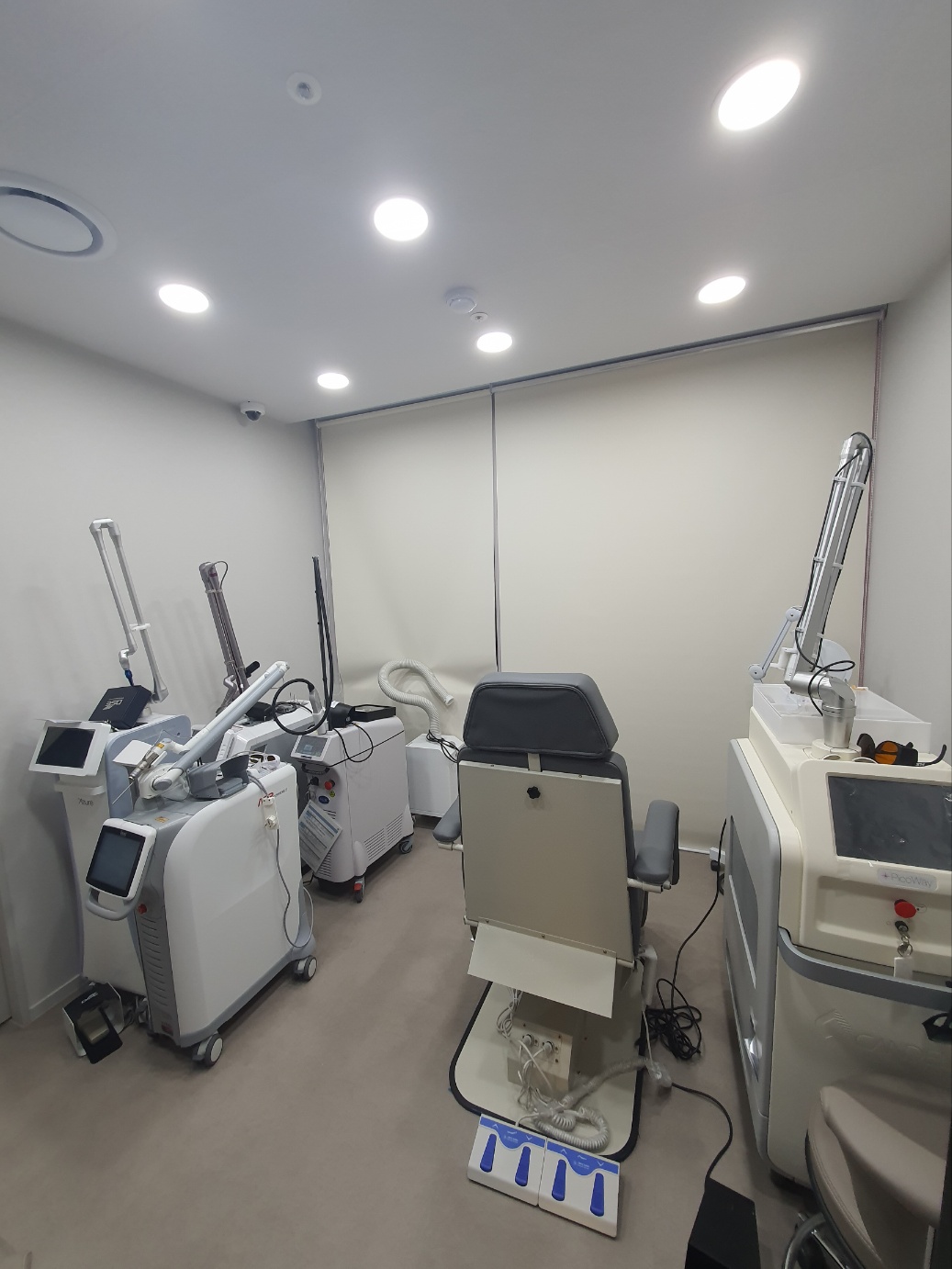
Melasma is a chronic pigmentation condition that often manifests as symmetrical brown patches on the face, requiring a sophisticated and individualized approach to achieve lasting clarity. In this guide, I will share my professional insights on how advanced laser technology can be utilized to restore structural harmony to your skin while respecting its biological integrity, following our clinic's philosophy of "Refining the Details."
Key Takeaways
- Understanding the specific depth of pigmentation is the first step in effective treatment.
- Advanced picosecond technology utilizes photoacoustic energy to target melanin, providing a distinct technical approach compared to nanosecond-based systems.
- A layered design approach at LUNN ensures that energy is delivered precisely to targeted melanin.
- Post-treatment care and sun protection are essential for maintaining results and preventing recurrence.
Understanding Melasma and Pigment Laser Treatment
Melasma is a chronic pigmentation condition primarily characterized by dark, irregular patches on the skin, which result from the overproduction of melanin by active melanocytes. Unlike simple sun spots, melasma is often driven by a combination of genetic factors, hormonal changes, and chronic exposure to ultraviolet radiation, making it a persistent challenge that requires specialized dermatological intervention.
The Science of Dermal Pigmentation
Pigmentation represents the complex interaction between melanocytes and external triggers, such as ultraviolet radiation or hormonal fluctuations. Within the dermal layers, melanin serves as a protective barrier, but its overproduction leads to visible patches and spots. Understanding the depth of this pigment is crucial, as epidermal lesions sit near the surface while dermal melasma penetrates deeper into the skin structure. At LUNN, I emphasize that melanin activity is influenced by several primary factors: vascular health, hormonal balance, and environmental stressors. Clinical observations suggest that melasma predominantly affects women, highlighting the strong hormonal component involved. By identifying the specific layer where excess pigment resides, we can develop a more precise intervention strategy. This scientific foundation allows for a targeted approach that respects the biological integrity of the skin while addressing aesthetic concerns, ensuring that the treatment aligns with the natural regenerative cycles.
How Selective Photothermolysis Works
Selective photothermolysis is the fundamental principle where specific wavelengths of light energy are used to target melanin without damaging surrounding tissues. When a laser emits energy, it is absorbed by the pigment, converting light into thermal or mechanical energy to break down the melanin particles. For instance, a 1064nm wavelength is often utilized for deeper dermal pigments because it can bypass the superficial epidermis. The success of this process depends on the pulse duration being shorter than the thermal relaxation time of the target. This ensures that the heat does not spread to adjacent cells, reducing the risk of unintended thermal injury. In my practice at LUNN, I utilize these precise calculations to ensure that energy delivery is both effective and controlled. Using the correct wavelength significantly concentrates the effect on the lesion. By shattering pigment into microscopic fragments, the body can naturally process and eliminate them.
Common Types of Pigment Lesions Targeted
Pigment lesions are categorized based on their origin, depth, and appearance, ranging from superficial sun spots to deep-seated hormonal melasma. Sun spots, often referred to as lentigines, typically reside in the epidermal layer and respond well to shorter wavelengths. In contrast, conditions such as Acquired Bilateral Nevus of Ota-like Macules, or ABNOM, require deeper penetration to reach the dermal layers effectively. Melasma remains one of the most challenging conditions due to its chronic nature and tendency to recur. During a consultation at LUNN, I perform a detailed analysis to distinguish between these types, as each requires a unique energy setting and frequency. Many patients present with mixed-type pigmentation, involving both superficial and deep layers. Furthermore, a large majority of adults exhibit some form of solar lentigines as they age. Recognizing these nuances is essential for preventing post-inflammatory hyperpigmentation and ensuring that the treatment plan provides a balanced improvement.
Comprehensive Comparison of Laser Modalities
Laser modalities represent the diverse range of light-based technologies engineered to address specific skin textures and pigment depths through varying pulse speeds and energy levels. By selecting the correct modality, I can effectively target melanin while preserving the health of the surrounding dermal architecture.
| Modality | Technology | Primary Mechanism | Typical Recovery | Target Depth |
|---|---|---|---|---|
| Q-Switched | Nanosecond | Photothermal (Heat) | 24 - 48 Hours | Dermal & Epidermal |
| Picosecond | Picosecond | Photoacoustic (Vibration) | 12 - 24 Hours | Deep Dermal |
| Laser Toning | Low-Fluence | Melanin Suppression | Immediate | Epidermal |
| Fractional | Micro-Beam | Tissue Resurfacing | 3 - 5 Days | Multi-Layer |
Q-Switched vs. Picosecond Technology
The evolution from Q-switched to picosecond technology marks a significant shift in how we approach pigment removal. Q-switched lasers operate in nanoseconds, which is one-billionth of a second, relying primarily on photothermal energy to heat and break down melanin. In contrast, picosecond lasers deliver energy in trillionths of a second, creating a photoacoustic effect that shatters pigment into much smaller particles. This mechanical breakdown often leads to faster clearance and may require fewer sessions compared to older nanosecond technologies. At LUNN, I often select the picosecond modality for sensitive skin because it generates less heat, thereby minimizing the risk of thermal damage. By choosing the appropriate speed, I can tailor the treatment to the specific density and depth of the patient's pigmentation, ensuring a more efficient experience. Advanced Laser Therapy for Melasma Treatment is one example of how this technology is implemented.
Fractional Resurfacing vs. Toning Methods
Fractional resurfacing and laser toning offer two distinct pathways for treating pigmentation and improving skin quality simultaneously. Laser toning utilizes low-fluence energy to gently suppress melanin production and brighten the skin without significant downtime. This method is particularly effective for managing melasma, as it avoids the aggressive heat that might trigger further pigment activity. Conversely, fractional resurfacing creates microscopic treatment zones, stimulating the skin's natural healing response and collagen production. While resurfacing may involve a recovery period, it is highly effective for addressing both pigment and fine lines at various depths. At LUNN, I frequently combine these methods to achieve a multi-layered effect, addressing surface irregularities while toning the deeper layers. Choosing between these methods requires a careful assessment, as patients with compromised barriers may require a more conservative toning-first approach to ensure safety and maintain structural integrity. Customized Multi-Layer Skin Therapy in Korea often complements these resurfacing techniques.
Comparing Depth, Recovery, and Efficacy
When evaluating different laser treatments, one must consider the delicate balance between the depth of penetration, the required recovery time, and the overall efficacy. Deep-penetrating lasers are necessary for dermal pigment but often require more cautious settings to prevent irritation. Recovery times can vary significantly, with gentle toning allowing for immediate return to daily activities, while more intensive treatments might result in mild redness for a day or two. Efficacy is not solely determined by power, but rather by how well settings match the skin profile. At LUNN, I focus on maximizing results while minimizing downtime, ensuring that patients can maintain their professional and social lives. Consistent treatment protocols result in positive changes for many patients, though the degree of pigment reduction varies based on individual skin characteristics. However, I always emphasize that individual responses vary, and maintaining a healthy skin environment is key to long-term success. The goal is always to achieve a natural and balanced aesthetic outcome.
The LUNN Approach to Layered Pigment Design
Layered pigment design is a specialized diagnostic and treatment framework that treats the skin as a three-dimensional structure with varying depths of melanin and vascularity. This approach allows for a highly customized treatment plan that addresses the root cause of pigmentation rather than just the visible surface symptoms.
Analyzing Dermal Nuances and Layers
Successful pigment treatment begins with a thorough analysis of the skin's architecture. At LUNN, we treat the skin as a complex landscape of multiple layers rather than a flat surface. By identifying whether the pigment originates in the basal layer or deeper in the dermis, I can adjust the laser focal point accordingly. This layered perspective is central to my philosophy of structural harmony. Just as structural shadows in the undereye area require anatomical correction, pigment depth requires a precise focal strategy. Research indicates that certain depths of pigment can be challenging to identify without a comprehensive diagnostic approach, which is why a Dermatologist-Led Skin Analysis is indispensable. Through detailed mapping, I can target hidden reservoirs of melanin that contribute to chronic dullness, providing a more comprehensive improvement to the skin's overall clarity.
Customizing Parameters for Skin Sensitivity
Sensitivity is a critical variable in pigment laser treatment, as an overactive skin response can lead to complications. Customizing the pulse duration and energy levels allows me to deliver energy in a way that the specific skin type can tolerate without inflammation. For patients with reactive skin or a history of post-inflammatory hyperpigmentation, shorter pulse durations with lower energy peaks are often safer. In my practice at LUNN, I prioritize the safety of the skin barrier, often adjusting parameters mid-session based on real-time skin feedback. This level of customization is vital, as a significant portion of patients exhibit some degree of skin hypersensitivity during light-based procedures. By fine-tuning these technical aspects, I can achieve pigment reduction while keeping the inflammatory response to a minimum. This careful calibration helps avoid the rebound effect where pigment darkens after treatment, ensuring that the journey toward clearer skin is steady and predictable.
Minimizing Thermal Impact for Natural Recovery
One of the primary goals of advanced laser therapy is to minimize collateral thermal impact, which is heat that spreads beyond the targeted pigment. Excessive heat can lead to prolonged redness or even scarring if the skin's threshold is exceeded. By using modern devices that emphasize mechanical shattering over heat, I can promote a more natural and rapid recovery process. At LUNN, I implement cooling protocols and specific energy delivery patterns to dissipate heat effectively. Minimizing thermal stress can significantly reduce recovery time compared to traditional high-heat methods. This focus on controlled laser technology allows the skin's natural repair mechanisms to function without the burden of excessive inflammation. A faster recovery not only improves the patient experience but also allows for more consistent treatment intervals. Prioritizing the health of the surrounding tissue ensures that the final result looks natural and harmonious.
Critical Considerations for Safe and Effective Outcomes
Safe and effective outcomes in laser therapy are the result of rigorous patient screening, precise technological application, and dedicated adherence to post-procedure care protocols. It is important to understand that while these treatments are highly advanced, they are medical procedures that carry both benefits and specific responsibilities for the patient.
Understanding Individual Response Variation
Every skin profile reacts differently to laser energy due to genetics, lifestyle, and underlying health conditions. This individual variation means that a treatment that works for one person may require significant adjustments for another. Factors such as skin phototype play a major role in determining the safe energy threshold. At LUNN, I explain to every patient that their journey is unique and that we may need to adapt our approach as the skin evolves. Some individuals may see visible improvement relatively quickly, while others with deeper melasma might require more sessions. Acknowledging these differences is not a sign of failure but a necessary part of a responsible and evidence-based medical practice, ensuring that expectations remain realistic while striving for the best harmony.
Potential Post-Procedure Side Effects and Risks
While modern pigment lasers are designed for safety, patients must be aware of potential side effects and risks associated with the procedure. Common reactions include temporary redness, mild swelling, or a slight darkening of the treated spots, often referred to as micro-crusting, which typically resolves within a week. More significant risks, though rare when performed by a specialist, include post-inflammatory hyperpigmentation or temporary hypopigmentation. In my experience at LUNN, I find that thorough pre-treatment assessment significantly reduces these risks. It is also possible to experience a mild itching sensation as the skin heals and regenerates. I always ensure that my patients are fully informed about these possibilities so they can monitor their recovery effectively. If any unusual symptoms occur, immediate consultation is required. Transparency regarding these risks is a cornerstone of my practice, fostering trust and ensuring that patients are active participants.
Pre-Treatment Protocols and Post-Care Essentials
The success of a pigment laser session is heavily influenced by the care taken before and after the appointment. Pre-treatment protocols include avoiding direct sun exposure and discontinuing certain topical irritants like retinoids for several days. This prepares the skin to receive laser energy without unnecessary irritation. Following the procedure, post-care is equally critical for protecting the newly treated areas. The most important rule is the consistent application of broad-spectrum sunscreen, as the skin is temporarily more vulnerable to UV damage. At LUNN, I also recommend gentle hydration and avoiding hot saunas for at least one week. Patients who strictly follow post-care instructions experience significantly fewer complications and maintain their results for longer periods. By adhering to these essentials, you support your skin's natural healing process and enhance the long-term clarity and harmony achieved through the laser treatment.
Frequently Asked Questions
Q. What exactly is melasma and how does laser treatment address it?
Melasma is a chronic pigmentation condition often triggered by hormonal changes or UV exposure. Laser treatments at LUNN work by delivering specific wavelengths of light that are absorbed by melanin, breaking down the pigment into smaller particles that the body can naturally eliminate over time.
Q. Are the results of pigment laser treatment permanent?
While lasers can significantly clear existing pigment, results vary by individual because melasma is a chronic condition. New pigmentation may occur due to continued sun exposure or hormonal fluctuations, often requiring maintenance sessions and strict adherence to sun protection protocols.
Q. What is the typical experience regarding discomfort and downtime?
Most modern pigment lasers involve a sensation often described as a light snapping against the skin. While some redness or slight swelling may occur immediately after the session, the recovery period and level of discomfort are highly individual and depend on the specific treatment parameters used.
Q. How many sessions are typically required for visible improvement?
Effective pigment clearance usually requires a series of sessions depending on the depth and type of pigmentation. A personalized plan is essential because every skin profile reacts differently to light energy, and some cases may require more sessions for optimal results.
Q. Can laser treatments cause worsening of pigmentation or side effects?
In some cases, improper settings or individual skin sensitivity can lead to post-inflammatory hyperpigmentation or temporary redness. Consulting with a specialist to ensure the correct modality and energy settings for your specific skin type is crucial to minimize these potential risks.
Q. Who is an ideal candidate for pigment laser treatment?
Ideal candidates are those with stable skin conditions seeking to reduce the appearance of sun spots, age spots, or melasma. However, those with active skin infections or extremely sensitive skin barriers may need to defer treatment until their skin health is restored.
Q. What should I avoid after a pigment laser session?
It is vital to avoid direct sunlight, sauna use, and harsh chemical exfoliants for at least one week following your treatment. Consistent use of high-SPF sunscreen is the most important factor in protecting the treated area and maintaining the clarity achieved during the session.
Key Takeaways
- Pigment treatment success depends on accurate diagnostic mapping and layered energy design.
- Picosecond technology provides a mechanical shattering effect that is often safer for sensitive skin.
- Individual results vary, and managing chronic conditions like melasma requires a long-term maintenance plan.
- Adherence to pre and post-treatment protocols significantly reduces the risk of complications and improves efficacy.
For personalized advice or to schedule a consultation regarding your skin concerns, please contact our office. We look forward to helping you achieve your aesthetic goals through professional, detailed care.
Lunn Dermatology Clinic / Dr. Hyung-kwon Park Threads @dr.lunn
FAQ
- What exactly is melasma and how does laser treatment address it?
- Melasma is a chronic pigmentation condition often triggered by hormonal changes or UV exposure. Laser treatments at lunnclinic work by delivering specific wavelengths of light that are absorbed by melanin, breaking down the pigment into smaller particles that the body can naturally eliminate over time.
- Are the results of pigment laser treatment permanent?
- While lasers can significantly clear existing pigment, results vary by individual because melasma is a chronic condition. New pigmentation may occur due to continued sun exposure or hormonal fluctuations, often requiring maintenance sessions and strict adherence to sun protection protocols.
- Is the laser procedure painful or is there significant downtime?
- Most modern pigment lasers involve minimal discomfort, often described as a light snapping sensation against the skin. While some redness or slight swelling may occur immediately after the session, most patients return to daily activities within 24 hours, though individual recovery times differ.
- How many sessions are typically required for visible improvement?
- Effective pigment clearance usually requires a series of 5 to 10 sessions depending on the depth and type of pigmentation. A personalized plan is essential because every skin profile reacts differently to light energy, and some cases may require more sessions for optimal results.
- Can laser treatments cause worsening of pigmentation or side effects?
- In some cases, improper settings or individual skin sensitivity can lead to post-inflammatory hyperpigmentation or temporary redness. Consulting with a specialist to ensure the correct modality and energy settings for your specific skin type is crucial to minimize these potential risks.
- Who is an ideal candidate for pigment laser treatment?
- Ideal candidates are those with stable skin conditions seeking to reduce the appearance of sun spots, age spots, or melasma. However, those with active skin infections or extremely sensitive skin barriers may need to defer treatment until their skin health is restored.
- What should I avoid after a pigment laser session?
- It is vital to avoid direct sunlight, sauna use, and harsh chemical exfoliants for at least one week following your treatment. Consistent use of high-SPF sunscreen is the most important factor in protecting the treated area and maintaining the clarity achieved during the session.