
Post
How to Maintain Results After Ultherapy or Thermage: A 2026 Guide from LUNN Dermatology Clinic
Hello, I am Dr. Hyung-kwon Park, a dermatology specialist in Cheongdam and Apgujeong Rodeo.
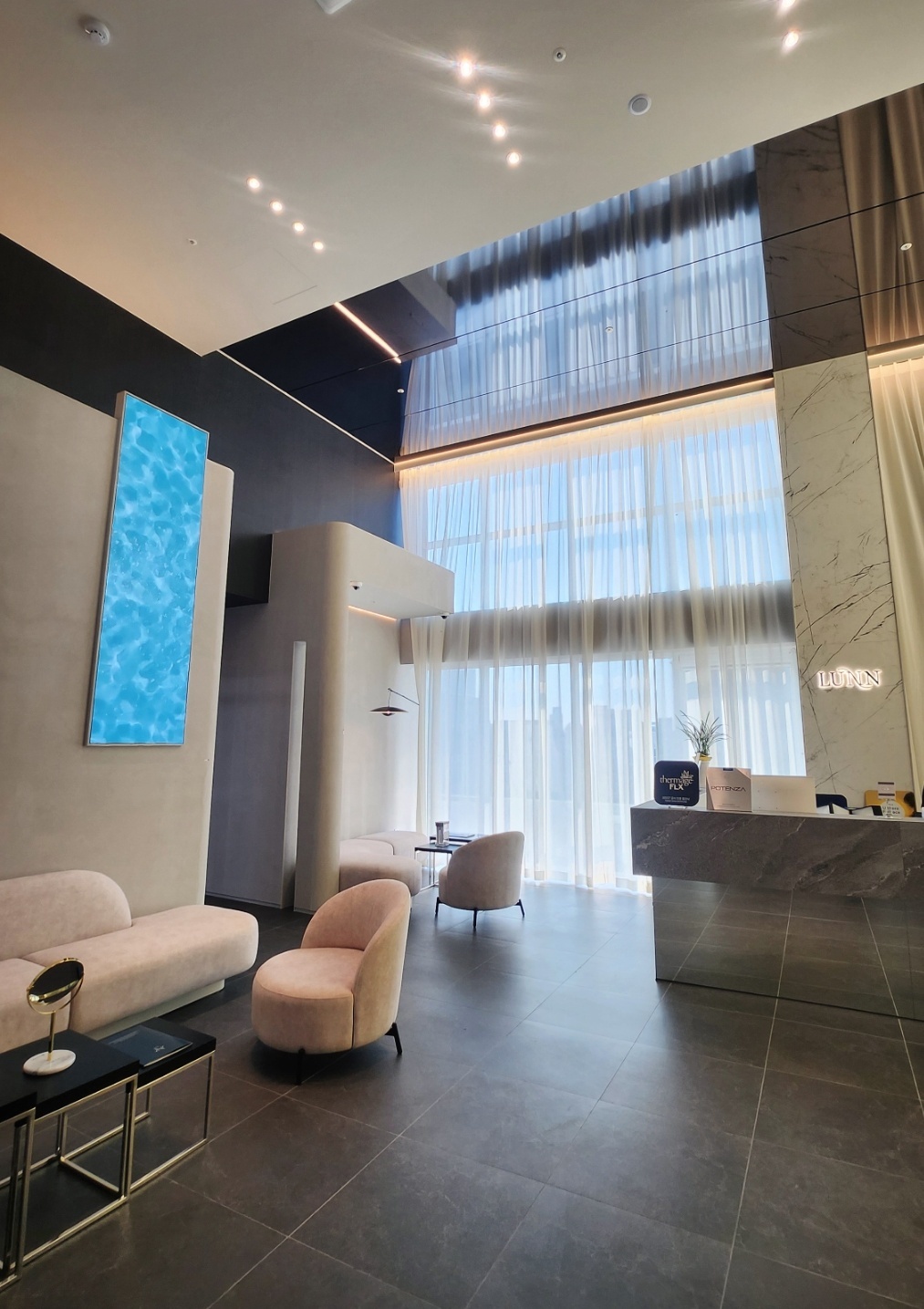
Maintenance after Ultherapy or Thermage is the deliberate plan of follow-up sessions and daily habits that preserves collagen-driven tightening once the initial remodeling response settles. In this 2026 guide from LUNN Dermatology Clinic, I will explain the biology, timing, and comparison points that help you protect your investment and set realistic expectations based on my clinical experience.
Understanding Ultherapy and Thermage: Definitions and Mechanisms
Ultherapy and Thermage are non-invasive energy-based tightening procedures that stimulate collagen in different skin layers. Both aim to improve firmness and contour, but they work through distinct mechanisms, which is why maintenance planning differs for each.
What Is Ultherapy and How Does It Work?
Ultherapy uses focused ultrasound energy delivered to precise depths, including the deeper SMAS layer that supports facial structure. The device creates small thermal coagulation points, and the body responds by producing new collagen over the following weeks and months. Because the target is deeper, Ultherapy is often discussed for lifting and jawline definition rather than surface texture. Results do not appear overnight; collagen remodeling continues gradually, and most people notice changes over two to three months. Individual response varies with age, skin thickness, and lifestyle. During a consultation at LUNN Dermatology Clinic, I personally map treatment depth and line counts to your anatomy, since treating the same depth everywhere is not appropriate for every face. This planning stage matters because appropriate depth selection supports both comfort and consistent outcomes.
What Is Thermage and How Does It Work?
Thermage delivers radiofrequency energy to heat the dermis, the layer responsible for collagen and elastin support. The bulk heating approach encourages collagen contraction and new collagen formation across a broader area rather than at discrete focal points. Because the dermis is the primary target, Thermage is often discussed for skin tightening and texture improvement. Comfort depends on the device generation, energy settings, and individual sensitivity. Some people describe a warm or prickling sensation during treatment, and temporary redness afterward is common. At LUNN Dermatology Clinic, I adjust settings to your specific skin thickness and tolerance rather than applying them uniformly. Like Ultherapy, Thermage results develop gradually, and the full effect is usually assessed several months later. Patients should understand that improvement is typically modest and cumulative rather than dramatic after a single session.
Why Maintenance Matters: The Biology of Collagen Remodeling
Collagen remodeling is a continuous cycle of breakdown and rebuild, and it slows with age. After an energy-based treatment, new collagen is laid down, but natural turnover and environmental exposure gradually reduce the effect. This is why maintenance is not a marketing add-on but a biological necessity. Sun exposure, smoking, poor sleep, and weight fluctuation all influence how long results appear to last. A realistic maintenance plan accounts for these variables rather than assuming a fixed timeline. At LUNN Dermatology Clinic, my approach is to assess your skin response at follow-up and adjust intervals based on what I actually observe, not a one-size-fits-all calendar. Patients who understand this cycle tend to have more realistic expectations and better adherence to at-home care.
Building a Maintenance Plan: Timing, Intervals, and Boosters
A maintenance plan is a scheduled framework of follow-up assessments, booster sessions, and daily habits calibrated to your skin's response over time. It is not a fixed protocol applied identically to everyone.
How Often Should You Repeat Ultherapy or Thermage?
Most clinicians assess results three to six months after the initial treatment, when collagen remodeling is well underway. If a booster is appropriate, intervals commonly fall in the range of roughly six to twelve months, but the right cadence depends on your skin's response, age, and goals. Some patients may benefit from annual sessions; others may need a different rhythm. Repeating too frequently does not necessarily improve outcomes and may increase discomfort or risk. At LUNN Dermatology Clinic, I review your progress and recommend the next step based on observed change rather than a preset schedule. Patients should expect that the plan may be adjusted over time as skin condition evolves.
Booster Sessions: When and Why They Help
Booster sessions are lighter follow-up treatments intended to sustain collagen stimulation between full sessions. They may help when early signs of laxity return or when a patient wants to maintain contour without a full-intensity session. Boosters are not a substitute for the initial treatment, and they are not appropriate for everyone. A physician should confirm that the skin has recovered and that the previous response justifies additional energy delivery. At LUNN Dermatology Clinic, I make booster decisions after a thorough assessment and explain exactly what the session can and cannot do for your specific case. Patients should be aware that boosters add cost and visits, and that results still vary by individual.
At-Home Care That Supports Collagen Production
Daily habits influence how long results appear to last. Broad-spectrum sunscreen use, antioxidant serums, and, if tolerated, retinoids support skin health between sessions. Adequate protein intake, hydration, and sleep matter more than most people expect. Smoking and excessive alcohol are associated with faster collagen degradation and should be avoided where possible. These habits complement in-clinic treatments but do not replace them. At LUNN Dermatology Clinic, I provide patients with guidance tailored to their skin type and routine rather than a generic checklist. Consistency matters more than intensity; a simple routine followed daily is usually more useful than an elaborate one followed occasionally.
Comparison: Ultherapy vs. Thermage for Long-Term Maintenance
Comparison of Ultherapy and Thermage for maintenance is about matching mechanism to skin concern, not declaring one superior. Both are established options with different depth profiles and comfort considerations.
Side-by-Side Comparison of Technology, Comfort, and Downtime
| Feature | Ultherapy | Thermage |
|---|---|---|
| Energy type | Focused ultrasound | Radiofrequency |
| Primary target | Deeper SMAS layer | Dermis |
| Typical focus | Lifting and jawline definition | Skin tightening and texture |
| Comfort | Variable, depth-dependent | Warm sensation, settings-dependent |
| Downtime | Usually minimal, temporary redness | Usually minimal, temporary redness |
| Typical assessment window | 2 to 3 months and beyond | Several months |
| Common maintenance cadence | Roughly 6 to 12 months, individualized | Roughly 6 to 12 months, individualized |
This table summarizes general characteristics. Individual experience varies, and neither option is appropriate for every skin type or concern.
Which Treatment Is Better for Your Skin Concern?
There is no universal answer, because the right choice depends on your anatomy, skin thickness, and primary concern. Ultherapy may be considered when deeper lifting and jawline definition are priorities, while Thermage may be considered when dermal tightening and texture are the focus. Some patients are better suited to one approach based on prior treatments, sensitivity, or medical history. A consultation at LUNN Dermatology Clinic includes my personal assessment of these factors before a recommendation is made. Patients should be wary of any source that promises one option is universally better; such claims are not supported by evidence and may mislead.
Combining Ultherapy and Thermage: Pros and Cons
Combining treatments targets different layers, which may support overall tightening in selected cases. Potential advantages include addressing both deeper support and dermal quality. However, combining also adds cost, total treatment time, and the need for careful spacing to allow recovery between sessions. Over-treatment is a real concern, and stacking energy without adequate planning can increase the risk of side effects. At LUNN Dermatology Clinic, I consider combination plans only when your skin assessment supports them, and I will explain the rationale and potential risks in detail. Patients should understand that combining does not guarantee better results and that individual response still varies.
Common Pitfalls and Realistic Expectations
Pitfalls are the habits and assumptions that shorten apparent longevity or lead to disappointment. Recognizing them early helps patients make better maintenance decisions.
Why Results Fade: Mistakes That Shorten Longevity
Results fade for biological and behavioral reasons. Sun exposure without protection accelerates collagen breakdown. Smoking, poor sleep, and significant weight change affect skin support. Skipping follow-up assessments means early signs of laxity go unaddressed. Another common mistake is over-treating in a short window, which adds risk without proven benefit. Some patients also expect dramatic change from a single session, which is not realistic for non-invasive tightening. At LUNN Dermatology Clinic, I review these factors at follow-up and adjust your plan accordingly. Understanding why results fade helps patients focus on what they can control rather than chasing unrealistic timelines.
Side Effects and Limitations to Discuss with Your Doctor
Common side effects include temporary redness, swelling, and mild discomfort. Less common risks include burns, scarring, and changes in pigmentation, and these should be discussed before treatment. Limitations include the need for multiple sessions in some cases, gradual rather than immediate results, and variability in response. Patients with certain medical conditions or recent fillers should disclose their history during consultation. At LUNN Dermatology Clinic, I review these points openly so that you can make informed decisions. No treatment is risk-free, and any source that suggests otherwise should be treated with caution.
Individual Variability: What Typical Results Look Like
Typical results are modest and gradual, with most patients noticing improved firmness and contour over several months. The degree of change varies with age, skin condition, and lifestyle, and some patients notice less improvement than expected. This is not necessarily a failure of the treatment; it reflects biological variability. Follow-up assessment helps determine whether additional sessions are appropriate. At LUNN Dermatology Clinic, I set clear expectations during your consultation and revisit them at follow-up. Patients who understand variability tend to be more satisfied with their plan because expectations are aligned with reality.
Key Takeaways
- Ultherapy and Thermage target different layers, so maintenance planning should reflect each mechanism.
- Follow-up assessment typically occurs three to six months after treatment.
- Booster intervals commonly fall in a range of roughly six to twelve months, individualized to response.
- At-home habits such as sun protection and sleep support collagen health between sessions.
- Results vary by individual, and combining treatments adds cost and requires careful planning.
Frequently Asked Questions
Q. How long do Ultherapy and Thermage results typically last?
Results generally appear to last around six to twelve months, though this varies with age, skin condition, lifestyle, and the number of sessions. Some people notice longer-lasting effects with consistent maintenance, while others see gradual fading. A physician can provide a personalized estimate after assessment.
Q. What is the recommended maintenance schedule after Ultherapy or Thermage?
A common approach is a follow-up three to six months after the initial treatment, with booster sessions considered on a roughly six- to twelve-month cadence depending on response. The schedule is adjusted based on observed change rather than a fixed calendar. Consistent at-home care also supports longevity.
Q. Can I combine Ultherapy and Thermage for better maintenance?
Combining is possible because the two target different layers, with Ultherapy reaching deeper and Thermage focusing on the dermis. This may support overall tightening in selected cases, but it adds cost and requires careful spacing to avoid over-treatment. A physician should plan any combination.
Q. What at-home habits help maintain results after Ultherapy or Thermage?
Daily broad-spectrum sunscreen, antioxidant serums, and retinoids if tolerated support skin health. Adequate protein intake, hydration, sleep, and limiting smoking and excessive alcohol also help. These habits complement in-clinic treatments but do not replace them.
Q. Are there any side effects or risks associated with maintenance treatments?
Common side effects include temporary redness, swelling, and mild discomfort. Less common risks include burns, scarring, and pigmentation changes. These risks are generally low when treatment is performed by a qualified professional, but they should be discussed beforehand.
Q. How can I tell if my Ultherapy or Thermage results are fading?
Signs include gradual return of laxity, reduced firmness, and a less defined jawline, often noticed six to twelve months after treatment. A follow-up assessment can determine whether a booster is appropriate. Self-assessment alone may be unreliable, so professional evaluation is useful.
Q. Is it safe to have Ultherapy or Thermage repeated multiple times?
Repeated treatments are generally considered safe at appropriate intervals under professional guidance. Over-treatment can increase the risk of side effects, so frequency should be tailored to your skin's response. A physician should confirm readiness before each session.
Q. What are the alternatives to Ultherapy and Thermage for maintaining skin tightening?
Alternatives include radiofrequency microneedling, fractional laser, and injectable treatments such as poly-l-lactic acid or hyaluronic acid fillers. Each has different mechanisms and downtime. A consultation can help determine which option suits your skin and maintenance goals. Patients should compare realistic expectations rather than assuming one option is superior.
If you are planning maintenance in 2026, a consultation at LUNN Dermatology Clinic can help map a schedule to your skin. If you have questions about maintenance, please contact LUNN Dermatology Clinic. / LUNN Dermatology Clinic, Dr. Hyung-kwon Park
This article is for general information and does not replace an in-person medical consultation. Individual results vary, and all treatments carry potential risks.
FAQ
- How long do Ultherapy and Thermage results typically last?
- Results generally appear to last around six to twelve months, though this varies with age, skin condition, lifestyle, and the number of sessions. Some people notice longer-lasting effects with consistent maintenance, while others see gradual fading. A physician can provide a personalized estimate after assessment.
- What is the recommended maintenance schedule after Ultherapy or Thermage?
- A common approach is a follow-up three to six months after the initial treatment, with booster sessions considered on a roughly six- to twelve-month cadence depending on response. The schedule is adjusted based on observed change rather than a fixed calendar. Consistent at-home care also supports longevity.
- Can I combine Ultherapy and Thermage for better maintenance?
- Combining is possible because the two target different layers, with Ultherapy reaching deeper and Thermage focusing on the dermis. This may support overall tightening in selected cases, but it adds cost and requires careful spacing to avoid over-treatment. A physician should plan any combination.
- What at-home habits help maintain results after Ultherapy or Thermage?
- Daily broad-spectrum sunscreen, antioxidant serums, and retinoids if tolerated support skin health. Adequate protein intake, hydration, sleep, and limiting smoking and excessive alcohol also help. These habits complement in-clinic treatments but do not replace them.
- Are there any side effects or risks associated with maintenance treatments?
- Common side effects include temporary redness, swelling, and mild discomfort. Less common risks include burns, scarring, and pigmentation changes. These risks are generally low when treatment is performed by a qualified professional, but they should be discussed beforehand.
- How can I tell if my Ultherapy or Thermage results are fading?
- Signs include gradual return of laxity, reduced firmness, and a less defined jawline, often noticed six to twelve months after treatment. A follow-up assessment can determine whether a booster is appropriate. Self-assessment alone may be unreliable, so professional evaluation is useful.
- Is it safe to have Ultherapy or Thermage repeated multiple times?
- Repeated treatments are generally considered safe at appropriate intervals under professional guidance. Over-treatment can increase the risk of side effects, so frequency should be tailored to your skin's response. A physician should confirm readiness before each session.
- What are the alternatives to Ultherapy and Thermage for maintaining skin tightening?
- Alternatives include radiofrequency microneedling, fractional laser, and injectable treatments such as poly-l-lactic acid or hyaluronic acid fillers. Each has different mechanisms and downtime. A consultation can help determine which option suits your skin and maintenance goals. Patients should compare realistic expectations rather than assuming one option is superior.