
Post
How to Maintain Results After Thermage or Ultherapy: A 2026 Guide to Long-Term Collagen Support
How to Maintain Results After Thermage or Ultherapy: Definition and Overview
Hello, I am Dr. Hyung-kwon Park, a dermatologist at LUNN Dermatology Clinic in Cheongdam/Apgujeong Rodeo.
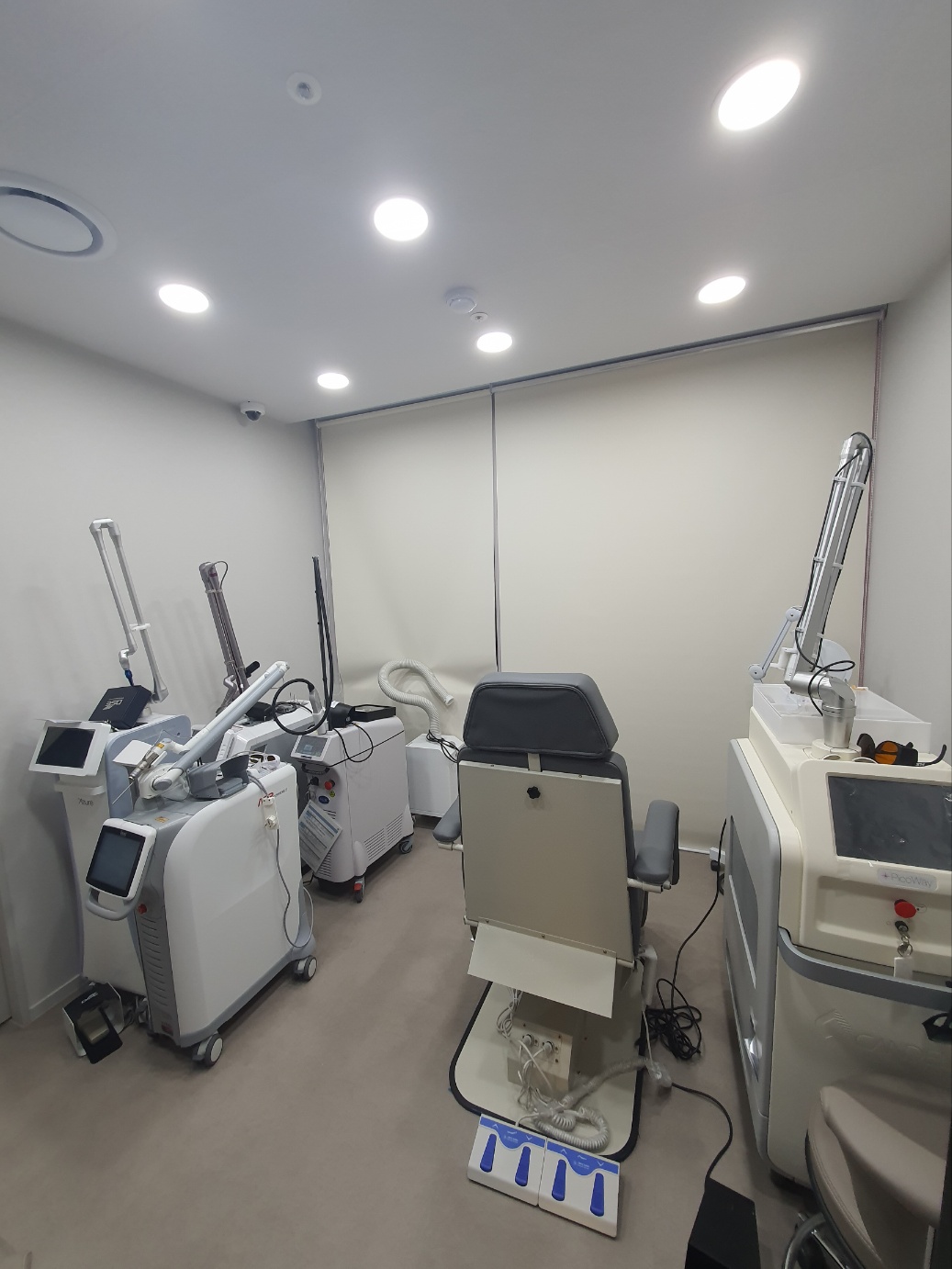
At LUNN, our philosophy is "Refining the Details. Achieving Perfect Harmony." Maintaining results after Thermage or Ultherapy means supporting the collagen your skin rebuilds after energy-based tightening, then protecting that new structure from the forces that break it down. Thermage uses radiofrequency energy and Ultherapy uses focused ultrasound, and both rely on your body's own wound-healing response to produce fresh collagen. That response is gradual, and it is not permanent. A maintenance plan is simply a structured way to keep the collagen you gained while slowing natural decline. This guide walks through realistic timelines, at-home support, professional touch-up intervals, common mistakes, and a 12-month calendar you can adapt with your dermatologist.
What Thermage and Ultherapy Do to Collagen, and Why Results Fade
Thermage delivers radiofrequency heat into the dermis, while Ultherapy deposits focused ultrasound energy at deeper layers, including the superficial musculoaponeurotic system in some protocols. Both create controlled thermal injury that triggers fibroblasts to lay down new collagen and elastin over the following weeks and months. That is why tightening appears gradually rather than immediately. Results fade for the same reason they appear: collagen is in constant turnover. Natural aging reduces collagen production, ultraviolet exposure activates enzymes that break collagen down, and mechanical forces such as sleeping position and repetitive facial movement add stress. Smoking and poor sleep quality further impair the repair environment. None of these factors can be eliminated, but each can be moderated. Understanding this biology explains why a single session is a starting point, not a permanent fix, and why a maintenance plan matters after either device.
The Typical Timeline: When Results Peak and How Long They Last
Timeline expectations should be framed with individual variation in mind. After Thermage, collagen remodeling usually begins within weeks, with many patients noticing firmer texture and subtle contour change over two to six months. Ultherapy follows a similar arc, often with early tissue contraction followed by longer-term collagen deposition. Peak visible change is commonly described in the three to six month range for both modalities, and effects are generally reported to persist for roughly one to two years, though this depends on age, skin quality, treatment area, energy delivered, and lifestyle. No device produces a guaranteed duration. A realistic plan treats the first result as a foundation and schedules review visits so changes are tracked rather than guessed. At LUNN, the conversation starts with what your skin actually did after the first session, not with a standard number.
Key Factors That Determine How Long Your Results Last
Duration after Thermage or Ultherapy is shaped by a small set of variables that matter more than device branding. Age and baseline collagen quality influence how vigorously fibroblasts respond. The treatment area matters, since thinner periorbital skin and thicker lower-face skin behave differently. Energy settings and the number of passes affect how much controlled injury is created, and more is not automatically better. Daily sun protection is arguably the single largest modifiable factor, because ultraviolet radiation accelerates collagen degradation. Sleep duration and quality, smoking status, protein intake, and even body weight fluctuation all contribute. Hormonal changes, including the menopausal transition, shift collagen synthesis. A provider who reviews these variables with you can build a plan that matches your biology instead of a generic schedule, and that planning is where I focus my follow-up visits at LUNN.
Building a Maintenance Plan: Collagen Support from the Inside Out
A maintenance plan is a coordinated set of daily habits, topical choices, and professional sessions designed to protect collagen rather than replace treatment. It works best when the at-home portion is consistent and unglamorous: sun protection, sleep, protein, and barrier care. The professional portion should be deliberate, not reactive. The sections below separate what has reasonable evidence from what is mostly plausible marketing.
Nutrition and Supplements: What Evidence Supports Collagen Preservation
Diet supports collagen indirectly. Adequate protein provides the amino acids glycine, proline, and lysine that collagen synthesis requires, and vitamin C is a cofactor in collagen cross-linking, so deficiency impairs repair. A balanced pattern rich in vegetables, fruit, legumes, and adequate protein is a reasonable foundation. Oral collagen peptide supplements have been studied in small trials with modest improvements in skin hydration and elasticity, but evidence quality varies and effects are not comparable to an energy-based procedure. They should be treated as optional support, not a substitute. Excessive alcohol and high sugar intake can impair skin repair over time. If you have kidney disease or take medications that interact with supplements, review them with your physician first. I frame nutrition as a background factor that helps or hinders, never as a replacement for professional care.
Skincare Actives That Complement Energy-Based Treatments
Topical actives can support the collagen environment after Thermage or Ultherapy, provided they are reintroduced gradually. Retinoids remain the best-studied ingredient for stimulating epidermal turnover and supporting dermal collagen over time, but they should be restarted only after the post-treatment sensitivity resolves, usually within a week or two. Peptides and niacinamide are gentler options that support barrier function and hydration. Antioxidants such as vitamin C help offset oxidative stress from ultraviolet exposure. Sunscreen is the most important topical, because unprotected sun exposure undoes collagen gains faster than any serum can rebuild them. Avoid layering multiple strong acids immediately after a session. A simple, consistent routine outperforms an elaborate one you cannot sustain. At LUNN, I provide patients with a phased reintroduction schedule rather than a long product list.
Lifestyle Habits: Sun Protection, Sleep, and Stress Management
Lifestyle habits are the quiet determinants of how long results last. Daily broad-spectrum sunscreen with consistent reapplication limits ultraviolet-driven collagen breakdown. Sleep matters more than most patients expect, since growth hormone release and tissue repair peak during deep sleep, and chronic short sleep is associated with impaired barrier recovery. Psychological stress elevates cortisol, which can accelerate collagen degradation and slow healing. Smoking is strongly linked to premature skin aging and should be addressed as part of any maintenance plan. Regular moderate exercise supports circulation without the extremes that provoke inflammation. Alcohol moderation helps hydration and sleep quality. None of these habits produces visible tightening on its own, and that is the point: they protect the result you already paid for. I address these factors during follow-up at LUNN rather than treating them as an afterthought.
Professional Maintenance Treatments: Comparing Options and Intervals
Professional maintenance refers to scheduled follow-up sessions, whether repeat energy-based treatments, lower-energy upkeep, or adjunctive modalities. The goal is cumulative collagen support with adequate recovery time between sessions. Intervals should follow tissue response, not a fixed calendar, and should be reviewed with the provider who performed the original treatment.
Comparison Table: Maintenance Modalities, Typical Intervals, and Evidence
| Modality | Typical Interval | Mechanism | Evidence Notes | Considerations |
|---|---|---|---|---|
| Repeat Thermage (lower energy) | 12 to 18 months | Radiofrequency dermal heating | Established cosmetic use; response varies | Temporary redness, swelling; avoid over-treatment |
| Repeat Ultherapy (focal, limited lines) | 12 to 24 months | Focused ultrasound at depth | Established cosmetic use; operator dependent | Discomfort during session; rare focal complications |
| Fractional laser (non-ablative) | 6 to 12 months | Resurfacing and collagen stimulus | Well studied for texture and pigment | Downtime and pigmentation risk vary by skin type |
| Injectable biostimulators | 12 to 24 months | Collagen stimulation via microparticles | Evidence growing; product specific | Nodule risk; injection technique matters |
| Topical retinoid plus sunscreen | Daily | Turnover support and UV protection | Strong evidence for photoprotection | Irritation if introduced too quickly |
How to Space Thermage and Ultherapy Sessions for Cumulative Benefit
Spacing is where maintenance plans succeed or fail. Repeat Thermage sessions are commonly planned 12 to 18 months apart, and repeat Ultherapy is often spaced 12 to 24 months apart, but these are starting points rather than rules. When the two are combined, sessions are usually separated by several months so tissue can complete its remodeling response before the next controlled injury. Stacking treatments too closely can raise the risk of prolonged sensitivity, contour irregularities, or unwanted fat loss in treated areas. A practical approach is to stagger modalities across the year, using the first session as the anchor and building a calendar around it. Objective review at each visit, including standardized photographs, helps decide whether to proceed, delay, or reduce energy. That sequencing discipline is central to how I structure follow-up care at LUNN for patients who have had either device.
Signs You May Need a Touch-Up Sooner Than Planned
Earlier touch-up is reasonable when objective signs of change appear, not when a calendar date arrives. Common signals include a gradual return of laxity along the jawline, deeper nasolabial folds, less defined cheek contour, or skin that feels thinner and less resilient. Standardized photographs taken under consistent lighting make these shifts easier to detect than memory alone. A noticeable lag in healing after minor irritation, or persistent textural change, also warrants review. Conversely, if results remain stable and skin quality is good, delaying a session is often the better choice. Premature repeat treatment adds cost and risk without proportional benefit. Touch-up decisions should follow assessment by the clinician who knows your baseline. At LUNN, my rule is simple: measure first, treat second, and let the skin's response set the pace.
Avoiding Pitfalls: What Can Undermine Your Results
Pitfalls are the predictable mistakes that erode results between sessions. Most are behavioral rather than technical: inconsistent sun protection, over-treatment in pursuit of faster change, and neglect of the skin barrier. Recognizing them early protects both the outcome and the safety profile of any maintenance plan.
Common Mistakes: Over-Treatment, Skipping Sunscreen, and Ignoring Skin Barrier
Over-treatment is the most avoidable error. Patients sometimes shorten intervals or add modalities because progress feels slow, but stacking energy-based sessions can overwhelm the repair response and raise risk. Skipping sunscreen is the most common silent mistake, because unprotected ultraviolet exposure degrades collagen continuously between visits. Ignoring the skin barrier is a third, often invisible problem: repeated treatments plus aggressive actives can leave skin reactive, which delays recovery and reduces tolerance for the next session. Signs include persistent stinging, flaking, or sensitivity to products previously tolerated. When these appear, the correct response is to pause and simplify, not to add another product. A maintenance plan should include scheduled rest periods. I build these pauses into the plan at LUNN so that skin has time to consolidate gains rather than being pushed continuously.
Managing Expectations: Individual Variation and Realistic Outcomes
Individual variation is not a caveat appended to marketing; it is the core clinical reality of energy-based tightening. Response depends on age, baseline collagen, skin thickness, treatment area, energy delivered, and adherence to aftercare. Some patients notice meaningful change within months, while others see subtler shifts over a longer horizon. Results are not guaranteed, and repeat sessions are often needed to build on the first outcome. Realistic expectations include the possibility of modest rather than dramatic change, the likelihood of some visible improvement followed by a slow plateau, and the need for ongoing maintenance rather than a single permanent fix. Defining success before treatment, in measurable terms, prevents later disappointment. This conversation is not a discouragement, it is the honest foundation of a plan that respects your skin and your budget.
When to Consult a Dermatologist: Red Flags and Limitations
Some findings should prompt a professional review rather than another session. Persistent redness or swelling beyond the expected recovery window, blistering, focal dimpling, contour irregularity, numbness, or pigment change are reasons to book an evaluation. A sudden flare of acne or eczema after treatment also merits review. Beyond red flags, there are limitations worth stating plainly. Energy-based tightening cannot replicate surgical lifting, and it will not correct significant volume loss or deep structural descent on its own. It also should not be performed over active infection or certain inflammatory conditions without clearance. If your goals are not being met by maintenance, a dermatologist can discuss realistic alternatives and explain what each option can and cannot do. LUNN recommends an in-person assessment whenever a patient is unsure whether a change is expected healing or something that needs attention.
Long-Term Strategy: Annual Planning and Monitoring
Long-term strategy turns maintenance from a series of isolated appointments into a coherent annual plan. It combines a written calendar, objective measurement, and periodic adjustment as your skin and life circumstances change. The aim is to spend effort where it matters and avoid unnecessary treatment.
Creating a 12-Month Maintenance Calendar
A 12-month calendar should be built around your anchor session, not around a promotional schedule. Start with the date of your most recent Thermage or Ultherapy treatment and mark the estimated review window, commonly 6 months and 12 to 18 months depending on the device. Add a skin check at the midpoint to assess barrier health and any pigment change. Reserve one or two rest periods during which no energy-based treatment is performed, so tissue has a clear recovery window. Schedule seasonal sunscreen reinforcement before summer and a routine review in late winter. Include home factors on the calendar too, such as a retinoid reintroduction date and a protein intake review. Reviewing the plan annually with your clinician keeps it honest. At LUNN, patients leave with a written calendar rather than a verbal estimate, because a plan you can see is a plan you can follow.
Tracking Progress with Objective Measures
Objective tracking makes maintenance decisions less emotional. Standardized photographs taken under the same lighting, angle, and distance are the simplest tool, and they reveal gradual change that daily mirrors hide. Skin measurement devices used in clinic can quantify hydration, elasticity, and pigmentation, though their outputs should be interpreted by a clinician rather than compared across different devices. A simple symptom log recording tenderness, flaking, and product tolerance helps identify patterns. Comparing jawline definition or nasolabial fold depth against a consistent baseline image is more reliable than recall. The purpose of tracking is not to chase numbers but to inform timing: stable results argue for waiting, while measurable decline supports a touch-up discussion. I use standardized imaging during follow-up visits at LUNN so patients can see their own trend rather than rely on impressions.
Adjusting the Plan as You Age and Skin Changes
A maintenance plan is a living document. As you age, collagen synthesis slows and skin becomes thinner, which often means shifting from higher-energy tightening toward gentler, more frequent support. Hormonal changes can alter hydration and elasticity, and medications such as isotretinoin or anticoagulants change what is appropriate. Weight change affects facial volume and can make prior tightening look different. Sun exposure history accumulates, raising pigmentation risk and changing how cautiously lasers should be used. Each of these transitions is a reason to revisit the calendar rather than abandon it. Reviewing annually with your clinician keeps the plan aligned with your current skin. That adjustment mindset is central to how I approach long-term care at LUNN and why follow-up matters as much as the first session.
Key Takeaways
- Thermage and Ultherapy build collagen gradually, and results typically persist for months to about one to two years with individual variation.
- Daily sun protection, adequate protein, sleep, and barrier-friendly skincare protect collagen gains between professional sessions.
- Maintenance intervals of roughly 12 to 18 months for Thermage and 12 to 24 months for Ultherapy are common starting points, not guarantees.
- Over-treatment, skipped sunscreen, and a compromised skin barrier are the most common avoidable pitfalls.
- A written 12-month calendar with standardized photos makes touch-up timing objective rather than reactive.
Frequently Asked Questions
Q. How long do Thermage and Ultherapy results typically last?
Results vary by individual, treatment area, and device settings. Many patients notice improvement for several months to a year or more, but no guaranteed duration exists. Your dermatologist can offer a realistic estimate based on your skin condition and treatment history.
Q. What is the recommended maintenance schedule after Thermage or Ultherapy?
A common approach is a single maintenance session every 12 to 18 months, but intervals depend on age, skin laxity, and response to the initial treatment. Your provider will tailor a plan for you.
Q. Can I do anything at home to make results last longer?
Yes. Daily sun protection, a consistent routine with retinoids or peptides as tolerated, adequate sleep, and a diet rich in protein and antioxidants can support collagen health. These measures complement professional treatments rather than replace them.
Q. Are there side effects or risks with maintenance treatments?
Common side effects include temporary redness, swelling, or tenderness. Rare risks include burns, scarring, or pigment changes. Because individual responses vary, discuss risks and benefits with a qualified dermatologist before scheduling maintenance sessions.
Q. How do I know if my results are fading and I need a touch-up?
Signs include a gradual return of laxity, deeper nasolabial folds, or a less defined jawline. Comparing standardized photos over time helps detect change. If you notice these shifts, consult your dermatologist to decide whether a touch-up is appropriate.
Q. Is it safe to combine Thermage and Ultherapy for maintenance?
Combining treatments can be safe when performed by an experienced provider with appropriate spacing. Sessions are typically separated by several months to allow tissue recovery. Your dermatologist will assess your skin and recommend a sequencing plan.
Q. What should I avoid after a maintenance session to protect my results?
Avoid intense heat exposure such as saunas and hot yoga, and strenuous exercise for a few days. Use gentle skincare and sun protection. Follow your provider's aftercare instructions, which may include temporarily avoiding certain active ingredients.
Q. Does insurance cover maintenance treatments after Thermage or Ultherapy?
In the U.S., insurance generally does not cover cosmetic procedures or their maintenance. Costs vary by clinic and location. Ask your provider for a detailed fee estimate and discuss payment options before treatment.
If you are planning long-term care after Thermage or Ultherapy, an in-person assessment at LUNN can help you build a calendar that fits your skin. Lunn Dermatology Clinic is led by me, Dr. Hyung-kwon Park, and follow-up planning is part of every treatment conversation.
FAQ
- How long do Thermage and Ultherapy results typically last?
- Results vary by individual, treatment area, and device settings. Many patients notice improvement for several months to a year or more, but no guaranteed duration exists. Your dermatologist can offer a realistic estimate based on your skin condition and treatment history.
- What is the recommended maintenance schedule after Thermage or Ultherapy?
- A common approach is a single maintenance session every 12 to 18 months, but intervals depend on age, skin laxity, and response to the initial treatment. Some patients may benefit from more frequent, lower-energy sessions. Your provider will tailor a plan for you.
- Can I do anything at home to make results last longer?
- Yes. Daily sun protection, a consistent routine with retinoids or peptides as tolerated, adequate sleep, and a diet rich in protein and antioxidants can support collagen health. These measures complement professional treatments rather than replace them.
- Are there side effects or risks with maintenance treatments?
- Common side effects include temporary redness, swelling, or tenderness. Rare risks include burns, scarring, or pigment changes. Because individual responses vary, discuss risks and benefits with a qualified dermatologist before scheduling maintenance sessions.
- How do I know if my results are fading and I need a touch-up?
- Signs include a gradual return of laxity, deeper nasolabial folds, or a less defined jawline. Comparing standardized photos over time helps detect change. If you notice these shifts, consult your dermatologist to decide whether a touch-up is appropriate.
- Is it safe to combine Thermage and Ultherapy for maintenance?
- Combining treatments can be safe when performed by an experienced provider with appropriate spacing. Sessions are typically separated by several months to allow tissue recovery. Your dermatologist will assess your skin and recommend a sequencing plan.
- What should I avoid after a maintenance session to protect my results?
- Avoid intense heat exposure such as saunas and hot yoga, and strenuous exercise for a few days. Use gentle skincare and sun protection. Follow your provider's aftercare instructions, which may include temporarily avoiding certain active ingredients.
- Does insurance cover maintenance treatments after Thermage or Ultherapy?
- In the U.S., insurance generally does not cover cosmetic procedures or their maintenance. Costs vary by clinic and location. Ask your provider for a detailed fee estimate and discuss payment options before treatment.