
Post
How Often Should You Get Laser Hair Removal for Different Body Parts? A 2026 Guide from LUNN
Hello, I am Dr. Park Hyung-kwon, a board-certified dermatologist at LUNN Dermatology Clinic in the Cheongdam and Apgujeong Rodeo area. I personally oversee every step of your treatment to ensure the highest level of detail and harmony.
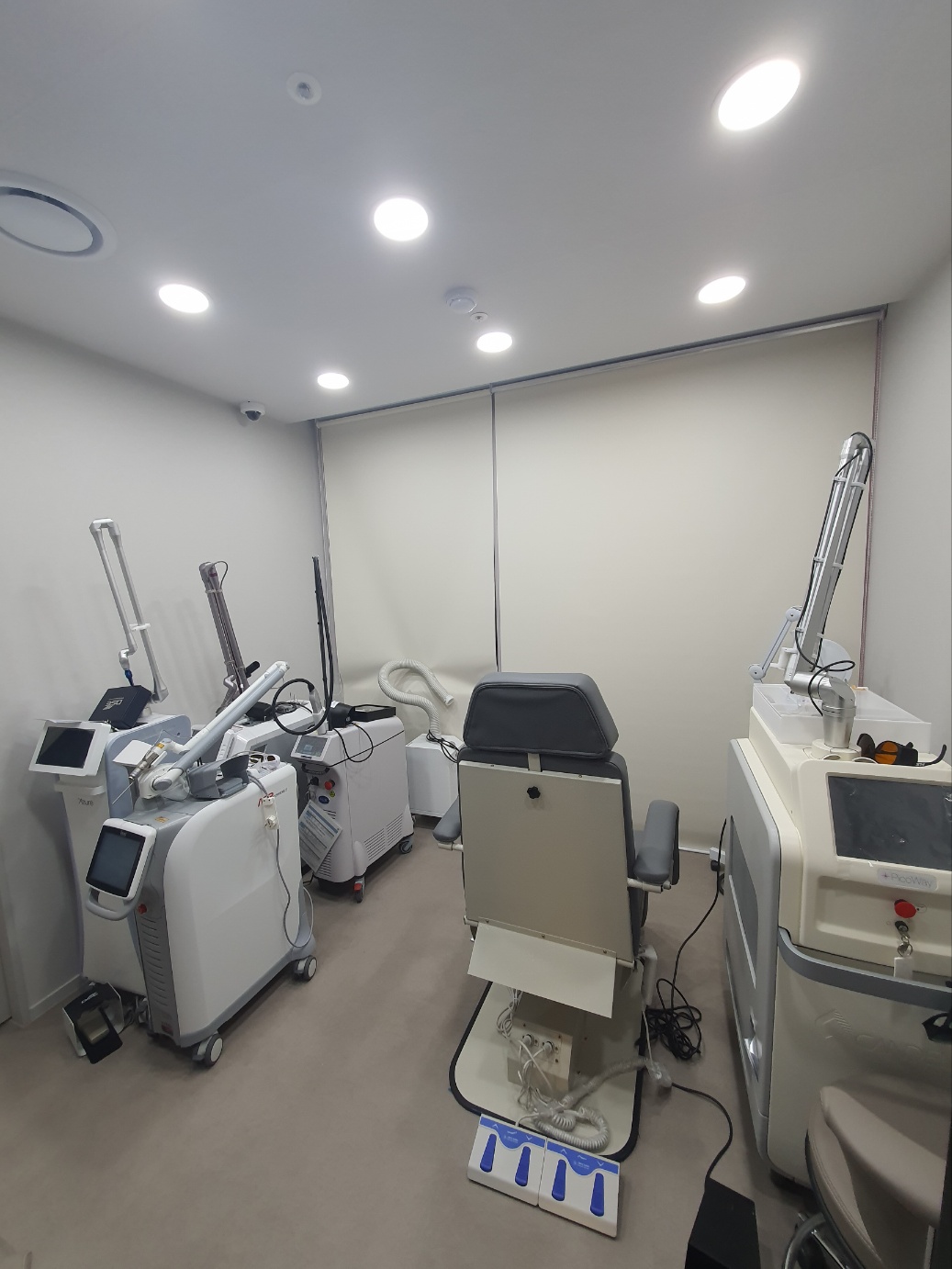
In this guide, I will share my clinical insights on how to optimize your laser hair removal schedule for the best possible results.
Key Takeaways
- Laser hair removal works by targeting pigment in hair follicles during the growth phase, so timing matters.
- Treatment intervals typically range from 4 to 8 weeks depending on the body part and hair growth cycle.
- Most areas need 6 to 8 sessions, though individual factors like hormones and hair color can change the plan.
- At LUNN, I emphasize a personalized schedule over a one-size-fits-all approach, as individual responses to treatment can vary.
- Side effects are usually temporary, but results vary and maintenance sessions are often needed.
Laser Hair Removal Frequency: Understanding the Basics
Laser hair removal frequency refers to how often sessions should be scheduled to achieve effective hair reduction. It is not a fixed number, because hair grows in cycles and different body parts have different cycle lengths. At LUNN, my approach is to map out a schedule based on the biology of the hair, not a generic calendar.
What Is Laser Hair Removal and How Does It Work?
Laser hair removal is a medical procedure that uses concentrated light to target melanin in hair follicles. The light energy is absorbed by pigment, converted to heat, and delivered to the follicle, which can impair future hair growth. Because only hairs in the active growth phase (anagen) are most vulnerable, multiple sessions are needed to catch hairs as they cycle into that phase. This is why a single treatment does not remove all hair permanently. At LUNN, I personally assess your skin type, hair color, and the treatment area before setting a schedule. The procedure is performed with medical-grade devices, and settings are adjusted for safety and comfort. It is important to understand that laser hair removal offers long-term reduction, not guaranteed permanent removal for everyone, and individual results can vary.
Why Treatment Frequency Varies by Body Part
The frequency of laser hair removal varies by body part because hair growth cycles differ across the body. For example, facial hair often has a shorter anagen phase, so sessions may be needed closer together. Leg hair tends to have a longer cycle, allowing more time between treatments. Hormonal influences also play a role in areas like the face, bikini line, and underarms. I design intervals based on these biological differences rather than applying the same schedule to every area. This personalized timing helps target hair in the right phase and may improve overall outcomes. It also reduces unnecessary sessions and minimizes cumulative skin exposure.
The Hair Growth Cycle and Its Role in Scheduling
The hair growth cycle consists of three main phases: anagen (growth), catagen (transition), and telogen (rest). Laser energy is most effective during anagen because the follicle is actively producing pigment. Since not all hairs are in anagen at the same time, spacing treatments allows newly cycling hairs to become vulnerable. The length of each phase differs by body site: scalp hair has a long anagen phase, while eyebrows and facial hair have shorter ones. This is why a facial schedule might call for 4- to 6-week intervals, while legs might be treated every 6 to 8 weeks. I use this cycle knowledge to plan sessions that align with hair biology, helping to maximize the chance of effective reduction over a series of treatments.
Recommended Treatment Intervals for Different Body Parts
Recommended intervals are general starting points, not rigid rules. I tailor each plan after a detailed consultation. Below are typical ranges based on common clinical practice.
Face and Neck: Smaller Areas, Shorter Cycles
For the face and neck, laser hair removal is often scheduled every 4 to 6 weeks. Facial hair frequently has a shorter growth cycle and can be influenced by hormonal factors, especially in the upper lip and chin. The skin on the face is also more visible and sensitive, so settings must be adjusted carefully. I typically recommend a series of 6 to 8 sessions, though some patients may need more depending on their individual hair density. Because facial hair can be stubborn, maintenance treatments may be needed. It is important to avoid plucking or waxing between sessions, as this removes the hair target and can reduce effectiveness. A dermatologist can assess whether underlying hormonal conditions might affect results.
Legs, Arms, and Back: Larger Areas, Longer Intervals
For larger areas such as the legs, arms, and back, sessions are usually spaced 6 to 8 weeks apart. Hair in these areas often has a longer anagen phase, allowing more time between treatments. Most people need about 6 to 8 sessions, but this can vary with hair thickness, color, and skin tone. Treating larger areas takes more time per session, and I plan the schedule to balance effectiveness with comfort and convenience. Because these areas have more hair follicles, multiple sessions are needed to catch hairs in the right growth phase. Results are typically long-lasting reduction, but maintenance sessions may be needed over time.
Bikini, Underarms, and Other Sensitive Areas
The bikini area and underarms are sensitive and often require intervals of 4 to 6 weeks. Hair in these areas can be coarse and hormonally influenced, which may affect growth patterns. I use appropriate laser settings and cooling methods to prioritize comfort and safety. A series of 6 to 8 sessions is common, with possible maintenance. Because the skin is delicate, a dermatologist should evaluate skin type and hair color before treatment. It is important to follow aftercare instructions to reduce the risk of irritation or pigment changes. Results vary, and some patients may need additional sessions to achieve desired reduction.
Factors That Influence How Often You Need Laser Hair Removal
Many factors affect scheduling. I consider these carefully before creating a plan.
Hair Color, Skin Tone, and Hormonal Factors
Hair color and skin tone affect how well laser energy is absorbed. Dark, coarse hair responds best because it contains more melanin, which absorbs light. Light blonde, gray, or red hair may respond less predictably. Skin tone matters for safety: darker skin requires lasers with longer wavelengths to reduce the risk of burns and pigment changes. Hormonal conditions such as polycystic ovary syndrome (PCOS) can stimulate hair growth and may require more frequent or additional sessions. I evaluate these factors during consultation and may recommend a different laser type or schedule. Individual response varies, and a personalized approach is essential for safe and effective treatment.
Laser Technology and Settings: Why Not All Lasers Are Equal
Different laser technologies (alexandrite, diode, Nd:YAG) have different wavelengths and are suited to different skin and hair types. The choice of laser and settings influences how often treatments are needed. For example, alexandrite lasers are often used for lighter skin, while Nd:YAG lasers are safer for darker skin tones. I use medical-grade devices and adjust settings based on the individual. Using the right technology for your skin type can improve efficacy and reduce the risk of side effects. It is not simply a matter of more frequent sessions; the correct device and parameters matter. A dermatologist can determine the most appropriate approach.
Adherence to a Schedule and Aftercare
Following the recommended schedule is important for optimal results. Skipping sessions or spacing them too far apart can allow hair to cycle back into a resting phase, reducing effectiveness. Aftercare also matters: avoiding sun exposure, using sunscreen, and refraining from hot baths or strenuous exercise for 24 to 48 hours can help minimize side effects. I provide specific aftercare instructions tailored to the treatment area. Adhering to the plan and aftercare can support better outcomes and reduce the need for extra sessions. It is also important to avoid waxing or plucking between sessions, as these can remove the target hair.
Comparing Treatment Schedules: Body Part vs. Average Sessions and Intervals
A comparison table can help visualize typical schedules. These are general ranges, not guarantees.
Comparison Table: Body Part, Average Sessions, and Interval Range
| Body Part | Average Sessions | Typical Interval |
|---|---|---|
| Face and neck | 6–8 | 4–6 weeks |
| Underarms | 6–8 | 4–6 weeks |
| Bikini area | 6–8 | 4–6 weeks |
| Legs | 6–8 | 6–8 weeks |
| Arms | 6–8 | 6–8 weeks |
| Back | 6–8 | 6–8 weeks |
These ranges are based on common clinical experience and may vary with individual factors. I adjust the plan after assessing hair and skin type.
What the Comparison Means for Your Treatment Plan
The table shows that smaller, hormonally influenced areas like the face and bikini tend to need shorter intervals, while larger areas like legs and back can be spaced further apart. This reflects differences in hair growth cycles. However, the numbers are starting points, not fixed rules. Factors such as hair color, skin tone, hormonal status, and laser type can shift the schedule. I use this framework to create a personalized plan and may adjust intervals based on your specific response. It is important to have realistic expectations: results vary, and maintenance sessions are often needed to sustain reduction.
Safety, Side Effects, and Realistic Expectations
Safety is my priority. I follow strict medical guidelines and tailor treatment to the individual.
Common Side Effects and How to Manage Them
Common side effects include temporary redness, swelling, and mild discomfort during treatment, often described as a rubber-band snap. These usually resolve within hours to a few days. Less common effects include blistering, scabbing, or pigment changes, which are more likely with inappropriate settings or inadequate cooling. I use cooling devices and adjust settings to minimize risk. After treatment, patients are advised to use sunscreen, avoid sun exposure, and refrain from hot baths or strenuous exercise for 24 to 48 hours. If side effects persist or worsen, patients should contact the clinic. It is important to follow aftercare instructions to support healing and reduce complications.
Limitations: Why Results Vary and When Laser May Not Be Ideal
Laser hair removal does not guarantee permanent removal for everyone. Results vary based on hair color, skin tone, hormonal factors, and adherence to schedule. Light-colored hair may respond poorly. Hormonal conditions can stimulate new growth. Some patients may need more sessions or maintenance treatments. Laser may not be ideal for certain skin conditions, active infections, or during pregnancy (consult a doctor). I assess these factors during consultation to determine suitability. It is important to have realistic expectations and understand that individual outcomes differ. A dermatologist can discuss whether laser is appropriate for your specific situation.
The Importance of Professional Consultation
A professional consultation is essential for safe and effective laser hair removal. A dermatologist can evaluate skin type, hair color, medical history, and hormonal factors to create a personalized plan. I emphasize consultation before treatment to set realistic expectations and choose the right laser and settings. Self-treating or using unverified devices can increase risks. A qualified professional can also monitor progress and adjust intervals as needed. If you are considering laser hair removal, schedule a consultation to discuss your goals and concerns. This approach helps ensure that the treatment is tailored to your needs and minimizes potential risks.
Frequently Asked Questions
Q. How often should you get laser hair removal on your face?
For the face, treatments are typically spaced 4 to 6 weeks apart. Facial hair often grows in shorter cycles, so more frequent sessions may be needed initially. However, individual factors like hair thickness and hormonal influences can affect the schedule. A consultation with me at LUNN can help tailor the plan.
Q. What is the average number of laser hair removal sessions for legs?
Most people need 6 to 8 sessions on the legs, with intervals of 6 to 8 weeks. Leg hair tends to be coarser and grows in longer cycles, so treatments can be spaced further apart. Maintenance sessions may be required to keep results over time.
Q. Can I get laser hair removal on my bikini area, and how often?
Yes, laser hair removal is commonly performed on the bikini area. Treatments are usually scheduled every 4 to 6 weeks. The area is sensitive, so a qualified professional should assess your skin and hair type to determine the appropriate settings and interval. I can provide a personalized plan.
Q. Does laser hair removal hurt, and what are the side effects?
Most people experience mild discomfort, often described as a rubber band snap. Side effects can include temporary redness, swelling, and rarely, blistering or changes in pigmentation. These usually resolve quickly. A dermatologist can discuss risks and aftercare.
Q. How long does laser hair removal last, and will I need maintenance?
Laser hair removal provides long-term reduction, but it is not permanent for everyone. Hormonal changes, aging, and other factors can stimulate new hair growth. Many people opt for occasional maintenance sessions to maintain results. I can advise on a maintenance schedule.
Q. Is laser hair removal safe for all skin tones?
Modern lasers can be safe for a range of skin tones, but the choice of laser and settings is crucial. Darker skin tones require lasers with longer wavelengths to avoid damaging the skin. A dermatologist experienced in treating diverse skin types should perform the procedure.
Q. What should I avoid before and after laser hair removal?
Before treatment, avoid sun exposure, waxing, and plucking for at least 4 weeks. After treatment, use sunscreen, avoid hot baths and strenuous exercise for 24 to 48 hours, and follow any specific aftercare instructions provided by me at LUNN.
Q. How much does laser hair removal cost, and does insurance cover it?
Cost varies widely depending on the area treated, number of sessions, and geographic location. Insurance typically does not cover laser hair removal because it is considered cosmetic. Consult with LUNN for detailed pricing and individualized treatment plans.
If you have further questions or would like to schedule a consultation, please contact LUNN. I am here to help you achieve your goals with personalized care. Lunn Dermatology Clinic / Dr. Park Hyung-kwon.
FAQ
- How often should you get laser hair removal on your face?
- For the face, treatments are typically spaced 4 to 6 weeks apart. Facial hair often grows in shorter cycles, so more frequent sessions may be needed initially. However, individual factors like hair thickness and hormonal influences can affect the schedule. A consultation with a dermatologist at lunnclinic can help tailor the plan.
- What is the average number of laser hair removal sessions for legs?
- Most people need 6 to 8 sessions on the legs, with intervals of 6 to 8 weeks. Leg hair tends to be coarser and grows in longer cycles, so treatments can be spaced further apart. Maintenance sessions may be required to keep results over time.
- Can I get laser hair removal on my bikini area, and how often?
- Yes, laser hair removal is commonly performed on the bikini area. Treatments are usually scheduled every 4 to 6 weeks. The area is sensitive, so a qualified professional should assess your skin and hair type to determine the appropriate settings and interval. lunnclinic can provide a personalized plan.
- Does laser hair removal hurt, and what are the side effects?
- Most people experience mild discomfort, often described as a rubber band snap. Side effects can include temporary redness, swelling, and rarely, blistering or changes in pigmentation. These usually resolve quickly. A dermatologist can discuss risks and aftercare.
- How long does laser hair removal last, and will I need maintenance?
- Laser hair removal provides long-term reduction, but it is not permanent for everyone. Hormonal changes, aging, and other factors can stimulate new hair growth. Many people opt for occasional maintenance sessions to maintain results. lunnclinic can advise on a maintenance schedule.
- Is laser hair removal safe for all skin tones?
- Modern lasers can be safe for a range of skin tones, but the choice of laser and settings is crucial. Darker skin tones require lasers with longer wavelengths to avoid damaging the skin. A dermatologist experienced in treating diverse skin types should perform the procedure.
- What should I avoid before and after laser hair removal?
- Before treatment, avoid sun exposure, waxing, and plucking for at least 4 weeks. After treatment, use sunscreen, avoid hot baths and strenuous exercise for 24 to 48 hours, and follow any specific aftercare instructions provided by your clinician at lunnclinic.
- How much does laser hair removal cost, and does insurance cover it?
- Cost varies widely depending on the area treated, number of sessions, and geographic location. Insurance typically does not cover laser hair removal because it is considered cosmetic. Consult with lunnclinic for pricing and package options.