
Post
Can Laser Hair Removal Cause Folliculitis? A 2026 Guide to Causes, Prevention, and Aftercare
Hello, I am Dr. Hyung-kwon Park, a board-certified dermatologist at LUNN.
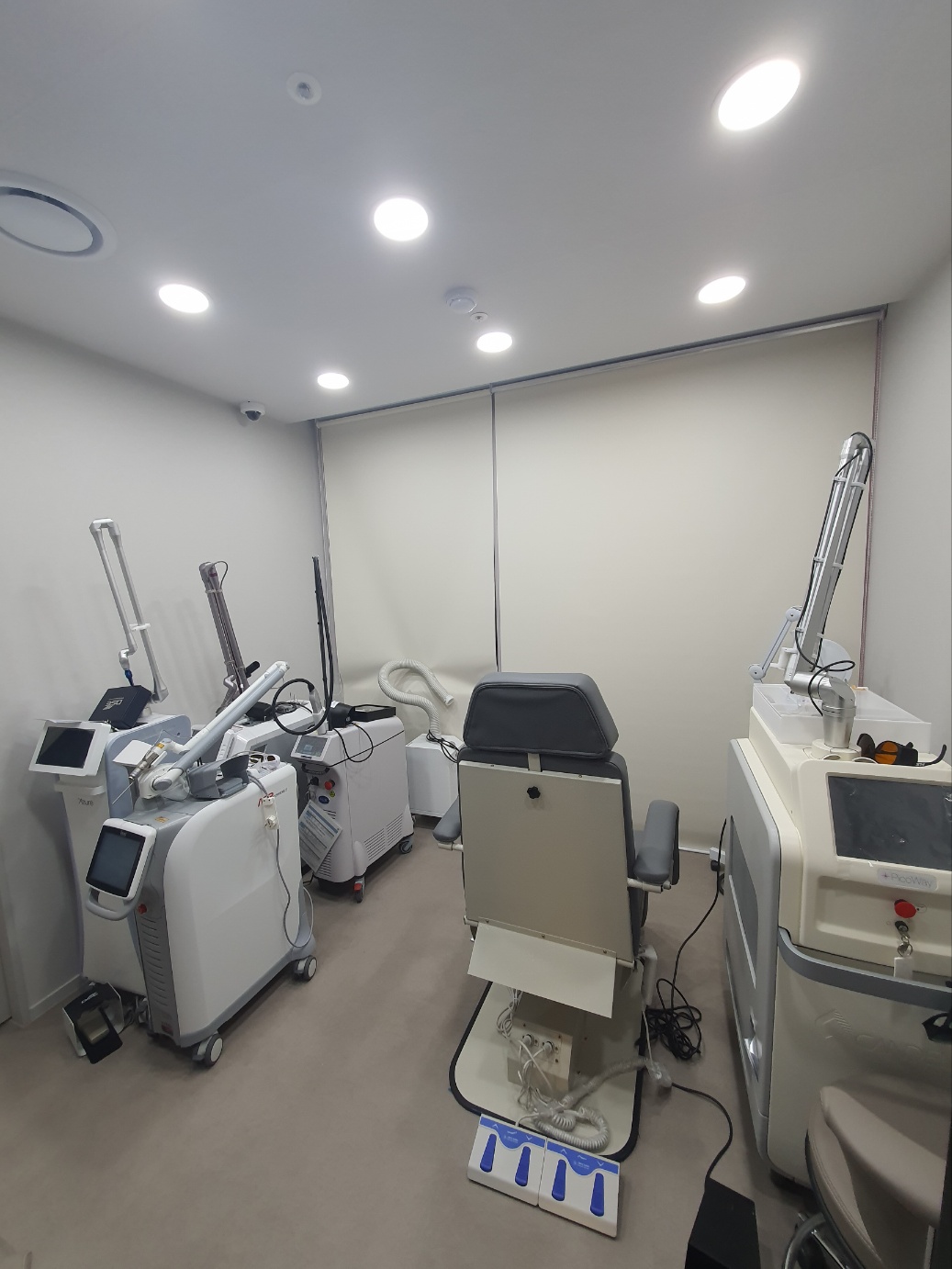
Folliculitis is inflammation of the hair follicles. It can follow laser hair removal because the treatment targets the follicle directly, and the resulting skin response occasionally provokes irritation or a mild bacterial overgrowth. This guide from LUNN explains who is more prone to it, how to tell it apart from ordinary post-laser redness, and what pre- and post-treatment habits reduce the risk. Please note that individual results may vary, and side effects such as temporary redness, swelling, or folliculitis can occur depending on skin type. The aim is a balanced, evidence-first view rather than a promise that any method is risk-free.
Understanding Folliculitis After Laser Hair Removal
Folliculitis after laser hair removal is a localized inflammatory reaction involving the hair follicle and, in some cases, the surrounding skin. It is distinct from the expected warmth and redness that follow treatment, and it usually appears as small bumps, mild tenderness, or pustules near the treated follicles. Because the laser deliberately heats the follicular unit, some level of skin response is normal; the clinical question is whether that response crosses into true inflammation or infection.
What Is Folliculitis and How Does It Relate to Laser Hair Removal?
Folliculitis is inflammation of one or more hair follicles, often caused by bacteria, friction, or physical trauma to the follicle. Laser hair removal works by delivering energy to melanin in the follicle, which damages the follicle to reduce hair growth. That targeted injury is intentional, but it can also temporarily disturb the skin barrier and the normal balance of skin flora. In some people, this creates a window for irritation or mild bacterial folliculitis. The reaction is generally self-limited and often resolves within one to two weeks, but individual variability is significant. LUNN evaluates each patient's skin type and hair density before treatment because darker, coarser hair absorbs more energy and may produce a more pronounced follicular response. Post-treatment care also plays a major role in whether a minor reaction stays minor.
Key Difference: Folliculitis vs. Expected Post-Laser Redness
Expected post-laser redness is a transient vascular response. It typically appears immediately after treatment, feels warm rather than painful, and fades within hours to a day. Folliculitis tends to appear later, often two to four days after the session, and is centered on individual follicles. It may present as small, discrete bumps, sometimes with a central hair, and can be itchy or mildly tender. Pustules may develop in some cases. The timing and distribution matter: diffuse warmth that resolves quickly is normal, whereas clustered or spreading bumps that persist or worsen are not. Distinguishing the two helps patients decide whether self-care is appropriate or whether they should contact a clinician. Dr. Hyung-kwon Park emphasizes consistent, responsible care, personally monitoring the recovery process to ensure any changes are addressed with professional precision rather than relying on subjective memory alone.
Who Is More Prone to Folliculitis After Laser Hair Removal?
Risk is not evenly distributed. People with coarse, dense hair, darker skin phototypes, or a history of pseudofolliculitis barbae are more likely to experience follicular irritation after laser treatment. Obesity and diabetes are associated with a higher baseline risk of skin infections, and immunosuppression can impair the skin's ability to resolve minor inflammation. Patients who shave aggressively, wax shortly before a session, or use occlusive clothing in the days after treatment also face a higher risk. LUNN screens for these factors during consultation because adjusting energy settings and spacing may reduce the likelihood of a flare. Having one or more risk factors does not mean folliculitis will occur; it means the aftercare plan deserves more attention, and any early signs warrant prompt review.
Causes and Risk Factors of Folliculitis Following Laser Hair Removal
Folliculitis after laser hair removal results from a combination of follicular trauma, skin barrier disruption, and microbial factors. Understanding the mechanisms helps patients and clinicians target prevention. The causes are usually multifactorial rather than a single failure of technique.
How Laser Energy Interacts with Hair Follicles and Skin Flora
Laser hair removal uses selective photothermolysis: light energy is absorbed by melanin in the hair shaft and follicle, generating heat that damages the follicular structure. This process can alter the local microenvironment, including the skin microbiome that normally keeps colonizing bacteria in check. When the barrier is temporarily compromised, organisms such as Staphylococcus aureus can proliferate in the follicle, producing folliculitis. The risk is not a sign of poor technique alone; it reflects the biology of targeting the follicle. Understanding this helps set realistic expectations. LUNN explains to patients that a mild follicular response is possible and that most cases are manageable with conservative care, though some patients require prescription treatment.
Common Triggers: Improper Aftercare, Occlusive Clothing, and Heat
Many cases are linked to modifiable triggers. Tight clothing, synthetic fabrics, and prolonged sitting in sweaty garments create friction and a warm, humid environment that favors follicular irritation. Hot baths, saunas, and intense exercise within the first few days can increase blood flow and sweating, which may aggravate the treated area. Harsh soaps, scrubs, and fragranced products can further disrupt the skin barrier. Shaving too soon after treatment is another common trigger because it creates microtrauma at a time when follicles are already inflamed. Dr. Hyung-kwon Park directly guides patients on aftercare, emphasizing the importance of loose clothing, cool compresses, and gentle cleansing while avoiding heat exposure for the initial recovery period. Simple behavioral changes can reduce the likelihood of a flare.
Underlying Conditions That Increase Risk (e.g., Obesity, Diabetes, Immunosuppression)
Certain medical conditions raise the baseline risk of folliculitis. Obesity is associated with increased skin friction, deeper skin folds, and impaired barrier function. Diabetes can affect immune response and wound healing, making minor infections more persistent. Immunosuppression or medications can reduce the body's ability to contain bacterial overgrowth. A history of recurrent folliculitis or hidradenitis suppurativa also merits caution. These factors do not contraindicate laser hair removal, but they warrant a more conservative approach. LUNN adjusts treatment parameters and may recommend a longer interval between sessions for patients with these conditions. A clinician should review any active skin infection before treatment proceeds.
Prevention Strategies: How to Avoid Folliculitis After Laser Hair Removal
Prevention focuses on minimizing follicular trauma and protecting the skin barrier before and after treatment. A structured approach reduces the likelihood of irritation and helps patients recognize early signs. The strategies below are practical and evidence-informed, but they cannot eliminate risk entirely.
Pre-Treatment Preparation: Skin Cleansing and Hair Shaving Best Practices
Before laser hair removal, the skin should be clean and free of irritants. Gentle cleansing with a mild, fragrance-free cleanser is usually sufficient; abrasive scrubs and exfoliants should be avoided for several days beforehand. Shaving is typically recommended the day before treatment rather than immediately before, because shaving creates microtrauma and the skin needs time to recover. A clean razor and a lubricating shave gel help reduce friction. Waxing, plucking, and epilation should be avoided for several weeks before a session because they remove the hair shaft that the laser targets. LUNN prioritizes a thorough analysis where Dr. Park personally reviews the patient's preparation routine during the initial consultation to ensure the skin is in optimal condition. Patients with a history of folliculitis may benefit from a longer shaving interval and closer skin inspection before treatment.
Post-Treatment Care: Cooling, Gentle Cleansing, and Moisturizing
Immediately after treatment, cooling helps reduce heat and discomfort. Cool compresses or a chilled gel pack wrapped in a clean cloth can be applied for short intervals. Gentle cleansing with lukewarm water and a mild cleanser should replace hot showers. Moisturizing with a bland, fragrance-free lotion supports barrier recovery. Avoid scratching, picking, or peeling the treated area. Sun exposure should be limited, and broad-spectrum sunscreen should be used once the skin has calmed. LUNN utilizes advanced cooling systems during treatment and provides personalized aftercare instructions, such as maintaining moisture and avoiding irritants, to support a smooth recovery. Patients who follow this routine and avoid heat and friction tend to have fewer symptoms, though individual responses vary.
What to Avoid: Tight Clothing, Sweating, and Harsh Products
Several common habits increase folliculitis risk after laser hair removal. Tight clothing, especially synthetic fabrics, creates friction and traps heat and moisture. Intense sweating from exercise or hot environments should be avoided for at least 48 to 72 hours. Harsh soaps, alcohol-based toners, and exfoliating acids can disrupt the skin barrier and worsen irritation. Shaving the treated area too soon is another frequent trigger. LUNN advises patients to wear loose, breathable cotton clothing and to postpone intense workouts until the skin has calmed. Fragranced products and scented lotions should be avoided until healing is complete. These measures are simple but meaningful, and they are easier to follow when planned in advance.
Treatment and Management of Folliculitis
Treatment depends on severity. Most cases are mild and resolve with home care, but some require medical evaluation. Early recognition helps prevent progression and reduces discomfort. The approach is stepwise, starting with conservative measures and escalating only when indicated.
Home Care for Mild Folliculitis: Warm Compresses and Topical Antibiotics
Mild folliculitis often improves with warm compresses applied for 10 to 15 minutes several times daily. Warm compresses can help promote drainage of superficial pustules and soothe inflammation. Over-the-counter topical antibiotics, such as bacitracin or mupirocin, may be used for small, localized areas, although evidence for routine use is limited. Gentle cleansing with a mild cleanser and avoidance of friction are important. LUNN recommends that patients avoid squeezing or picking lesions, as this can spread bacteria and worsen scarring. If symptoms do not improve within a few days or worsen, a clinician should evaluate the area. Poorly controlled diabetes or immunosuppression warrants earlier medical review.
When to See a Doctor: Signs of Infection and Prescription Treatments
Medical evaluation is warranted when symptoms are severe, spreading, or persistent. Signs of a more serious infection include increasing pain, expanding redness, warmth, fever, or pus-filled nodules. Recurrent or deep folliculitis may require prescription oral antibiotics or topical agents with better coverage for resistant organisms. In rare cases, a clinician may perform a culture to guide treatment. Patients with compromised immunity should seek care early. LUNN emphasizes that self-treatment should not delay evaluation when warning signs are present. A medical professional can distinguish folliculitis from other conditions and prescribe appropriate therapy.
Comparison of Treatment Options: Topical vs. Oral vs. Laser Therapy
The table below compares common approaches to managing folliculitis. It lists features rather than ranking them, because the appropriate choice depends on severity, location, and individual factors. Laser therapy here refers to using laser hair removal to reduce recurrent folliculitis in select patients, not to treating active infection.
| Approach | Typical use | Considerations |
|---|---|---|
| Topical antibiotics | Mild, localized folliculitis | Convenient; limited evidence for routine use; may cause local irritation |
| Oral antibiotics | Moderate or persistent cases | Requires prescription; potential systemic side effects; adherence matters |
| Warm compresses | Mild cases, supportive care | Low risk; helps soothe and promote drainage |
| Laser hair removal (for prevention) | Recurrent folliculitis related to hair growth | Reduces hair burden over time; multiple sessions needed; not for active infection |
LUNN notes that treatment should be individualized and that no single approach is universally superior.
Comparing Laser Hair Removal with Other Hair Removal Methods: Folliculitis Risk
Different hair removal methods carry different folliculitis risks. The comparison below is descriptive and does not declare one method universally safer. Patient factors, technique, and aftercare all influence outcomes.
Laser vs. Shaving vs. Waxing: Which Poses Higher Folliculitis Risk?
Shaving can cause microtrauma and ingrown hairs, which are common precursors to folliculitis. Waxing removes hair from the root and can cause inflammation, especially in people with coarse hair or sensitive skin. Laser hair removal targets the follicle directly and can reduce hair density over time, which may lower the frequency of irritation associated with repeated shaving or waxing. However, laser treatment itself can provoke folliculitis in some patients. The net risk depends on technique, skin type, and aftercare. LUNN counsels patients that no method is risk-free and that the goal is to choose an approach that fits their skin and lifestyle, with proper precautions.
Pros and Cons of Laser Hair Removal for Folliculitis-Prone Skin
For people with recurrent folliculitis from shaving or waxing, laser hair removal can be beneficial because it reduces hair growth and the need for frequent hair removal. It may also reduce ingrown hairs. However, laser treatment can cause temporary follicular inflammation, and patients with darker skin or dense hair may be more prone to post-treatment reactions. The procedure requires multiple sessions and is not a permanent guarantee. LUNN assesses each patient's history and adjusts settings to reduce risk. Patients with active folliculitis should postpone treatment until the skin has settled.
Alternative Hair Removal Options for Sensitive Skin
For sensitive skin, options include depilatory creams, which dissolve hair but can cause irritation in some people. Threading and sugaring are alternatives that remove hair without heat, though they can cause friction. Electric razors may reduce nicks compared with manual razors, but they still require careful technique. No method is universally suitable, and a patch test is prudent. LUNN recommends that patients with sensitive skin or a history of folliculitis discuss options with a clinician before starting a new method.
Key Takeaways
- Folliculitis after laser hair removal is uncommon but possible, and most cases are mild and self-limited.
- It is distinct from expected post-laser redness, which usually fades within hours to a day.
- Prevention centers on gentle pre-treatment shaving, cooling, loose clothing, and avoiding heat and friction.
- Seek medical care for spreading redness, increasing pain, fever, or persistent pustules.
- LUNN recommends individualized assessment, especially for patients with diabetes, immunosuppression, or a history of recurrent folliculitis.
The information above is for general guidance. A consultation with a qualified clinician is the appropriate way to evaluate individual risk and determine whether laser hair removal is suitable. It has been my clinical experience that careful patient selection and clear aftercare instructions reduce the likelihood of significant reactions, though outcomes vary. To discuss your skin and treatment options, you are welcome to schedule a consultation at LUNN. LUNN is led by Dr. Hyung-kwon Park, and updates are shared on Threads @dr.lunn.
Frequently Asked Questions
Q. Can laser hair removal cause folliculitis?
Yes, laser hair removal can cause folliculitis, although it is not common. The laser targets the hair follicle, which can cause temporary inflammation and, in some cases, mild bacterial overgrowth. With proper aftercare, the risk can be minimized. Individual responses vary, and patients with certain risk factors should discuss them with a clinician.
Q. What are the symptoms of folliculitis after laser hair removal?
Symptoms may include redness, swelling, and small bumps or pimples around the hair follicles. They usually appear within a few days after treatment and may be itchy or mildly painful. Some bumps may fill with pus. These differ from normal post-laser redness, which typically resolves within hours to a day. If symptoms persist or worsen, seek medical advice.
Q. How can I prevent folliculitis after laser hair removal?
Prevention includes gentle cleansing, shaving the day before rather than immediately before, and avoiding waxing before treatment. After treatment, use cool compresses, wear loose clothing, avoid hot baths and saunas, and refrain from scratching. Moisturize with a fragrance-free lotion. These measures reduce risk but do not eliminate it entirely, so monitor the skin closely in the first week.
Q. Is folliculitis after laser hair removal dangerous?
In most cases, it is mild and resolves within one to two weeks. However, it can become more serious in people with compromised immunity or if the infection spreads. Seek medical attention if you experience increasing pain, spreading redness, fever, or pus-filled bumps that do not improve. Early evaluation helps prevent complications.
Q. How is folliculitis treated?
Mild cases often improve with warm compresses and over-the-counter topical antibiotics. More severe or persistent cases may require prescription oral antibiotics. In some patients, laser hair removal itself can help reduce recurrent folliculitis by decreasing hair growth. A clinician can determine the appropriate treatment based on severity and individual factors.
Q. Can I continue laser hair removal if I develop folliculitis?
It is generally advisable to postpone further sessions until the folliculitis resolves. Treating inflamed skin can worsen the condition and increase discomfort. Consult your practitioner or a dermatologist to determine when it is safe to resume. They may adjust treatment parameters or recommend a longer interval between sessions.
Q. Does laser hair removal reduce the risk of folliculitis compared to other hair removal methods?
Laser hair removal can reduce the risk compared with shaving or waxing by decreasing hair growth and the associated irritation. However, laser treatment itself can cause folliculitis, so proper care is essential. No method is universally risk-free, and the best choice depends on individual skin type and history.
Q. What should I do if I think I have folliculitis after laser hair removal?
Keep the area clean and avoid picking or scratching. Apply warm compresses and use over-the-counter topical antibiotics if appropriate. If symptoms do not improve within a few days or worsen, consult a healthcare provider. A clinician can diagnose the condition and prescribe appropriate treatment. Do not delay care if you have risk factors such as diabetes or immunosuppression.
FAQ
- Can laser hair removal cause folliculitis?
- Yes, laser hair removal can cause folliculitis, although it is not common. The laser targets the hair follicle, which can cause temporary inflammation and, in some cases, mild bacterial overgrowth. With proper aftercare, the risk can be minimized. Individual responses vary, and patients with certain risk factors should discuss them with a clinician.
- What are the symptoms of folliculitis after laser hair removal?
- Symptoms may include redness, swelling, and small bumps or pimples around the hair follicles. They usually appear within a few days after treatment and may be itchy or mildly painful. Some bumps may fill with pus. These differ from normal post-laser redness, which typically resolves within hours to a day. If symptoms persist or worsen, seek medical advice.
- How can I prevent folliculitis after laser hair removal?
- Prevention includes gentle cleansing, shaving the day before rather than immediately before, and avoiding waxing before treatment. After treatment, use cool compresses, wear loose clothing, avoid hot baths and saunas, and refrain from scratching. Moisturize with a fragrance-free lotion. These measures reduce risk but do not eliminate it entirely, so monitor the skin closely in the first week.
- Is folliculitis after laser hair removal dangerous?
- In most cases, it is mild and resolves within one to two weeks. However, it can become more serious in people with compromised immunity or if the infection spreads. Seek medical attention if you experience increasing pain, spreading redness, fever, or pus-filled bumps that do not improve. Early evaluation helps prevent complications.
- How is folliculitis treated?
- Mild cases often improve with warm compresses and over-the-counter topical antibiotics. More severe or persistent cases may require prescription oral antibiotics. In some patients, laser hair removal itself can help reduce recurrent folliculitis by decreasing hair growth. A clinician can determine the appropriate treatment based on severity and individual factors.
- Can I continue laser hair removal if I develop folliculitis?
- It is generally advisable to postpone further sessions until the folliculitis resolves. Treating inflamed skin can worsen the condition and increase discomfort. Consult your practitioner or a dermatologist to determine when it is safe to resume. They may adjust treatment parameters or recommend a longer interval between sessions.
- Does laser hair removal reduce the risk of folliculitis compared to other hair removal methods?
- Laser hair removal can reduce the risk compared with shaving or waxing by decreasing hair growth and the associated irritation. However, laser treatment itself can cause folliculitis, so proper care is essential. No method is universally risk-free, and the best choice depends on individual skin type and history.
- What should I do if I think I have folliculitis after laser hair removal?
- Keep the area clean and avoid picking or scratching. Apply warm compresses and use over-the-counter topical antibiotics if appropriate. If symptoms do not improve within a few days or worsen, consult a healthcare provider. A clinician can diagnose the condition and prescribe appropriate treatment. Do not delay care if you have risk factors such as diabetes or immunosuppression.