
Post
Hyaluronic Acid Filler Sculpting: A Dermatologist's Guide to Precision and Harmony
Hello, I am Dr. Hyung-Kwon Park, a board-certified dermatologist at LUNN in Cheongdam and Apgujeong Rodeo.
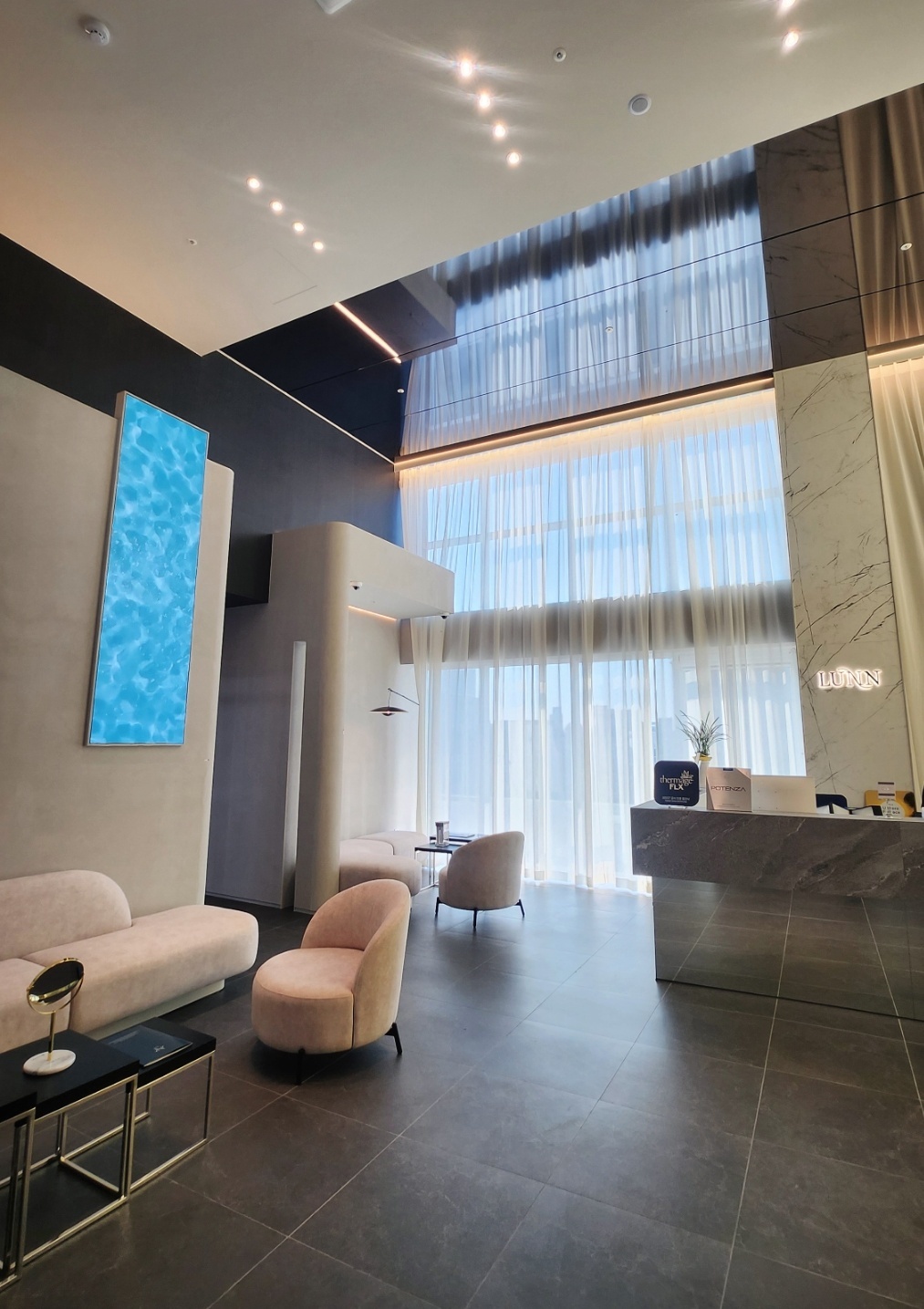
Hyaluronic acid filler sculpting is a non-surgical approach that uses injectable HA-based gels to restore volume, refine contours, and soften folds. In this guide, I will explain how the material behaves in different facial layers, what influences durability, and how I plan a result that stays proportionate. This is written for readers who want a structured, evidence-aware view before booking a consultation at LUNN. Every claim below is framed around possibility and individual variation, not a promise of outcome, as results may vary depending on the individual.
Understanding Hyaluronic Acid Filler Sculpting
Hyaluronic acid filler sculpting is the deliberate placement of cross-linked HA gel into specific facial planes to rebuild structural support rather than simply plump a line. It differs from casual filling because the goal is contour balance across the whole face—a philosophy we call "Refining the Details. Achieving Perfect Harmony."
At LUNN, my working principle is detail and harmony: a 1mm difference in depth or volume can change how light falls on the face. My assessment therefore starts with the underlying skeleton, fat compartment changes, and skin quality, not with a single wrinkle. For example, in the under-eye area, we focus on a "shadow-erasing" strategy, addressing the tear trough ligament rather than just adding volume.
What Is Hyaluronic Acid Filler Sculpting?
Hyaluronic acid filler sculpting is a clinical procedure in which a physician injects a stabilized HA gel into facial tissue to restore projection and contour. The word sculpting signals that the intent is shape rather than line-filling alone. The gel is manufactured in different viscosities so that firmer products can support deep structural areas and softer products can refine superficial transitions. Results are visible immediately, though the treated area usually settles over one to two weeks as swelling resolves.
Candidates are generally adults with volume loss, flattened midface projection, or contour asymmetry who are in good general health and have realistic expectations. The duration of a session at LUNN varies depending on the number of zones treated and the complexity of the patient's facial structure. Because HA is a naturally occurring molecule, the material is gradually broken down by the body, which is why maintenance planning is part of the first consultation.
How HA Fillers Work: Structure and Mechanism
Hyaluronic acid fillers work through two combined mechanisms: physical volume from the gel bolus and water binding by the HA polymer. To ensure a lasting effect, manufacturers stabilize the molecule with cross-linking agents. The degree of cross-linking and particle size determine the gel's firmness and lift capacity.
At LUNN, we often emphasize the use of "low-hydrophilicity" fillers (such as Belotero) for sensitive areas like the under-eyes. These products attract less water, significantly reducing the risk of post-procedural swelling or the Tyndall effect (a bluish tint under the skin). Understanding these material properties is what separates structural contouring from simple augmentation.
Who Is a Candidate for HA Filler Sculpting?
A good candidate is an adult with contour or volume concerns who has no active skin infection and expectations aligned with temporary, adjustable results. Typical profiles include those with age-related fat loss or mild asymmetry. Suitability is decided in consultation, not by a menu.
Medical history matters. Active infection, known allergy to HA or lidocaine, pregnancy, and breastfeeding are reasons to postpone treatment. At LUNN, the first step is always a diagnostic conversation followed by a written plan that can be staged across visits so that no single session is over-loaded, ensuring we maintain the natural balance of your features.
The Science Behind HA Fillers: Cross-Linking and Longevity
Cross-linking is the chemical stabilization of the HA polymer chain. Higher cross-linking generally produces a firmer gel with more lift, while lower cross-linking yields a softer gel suited to superficial refinement. Neither is superior; the choice depends on the anatomical layer being treated.
Cross-Linking Technology and Gel Consistency
The resulting consistency determines how the product behaves under facial movement. This is why a layered approach is my standard at LUNN: firm support at the base, and softer transition above it. Patients should know that material property choices influence how natural a result feels, and that individual tissue thickness varies, so no single product suits every face.
How Long Do Results Last? Factors That Influence Durability
The longevity of HA filler sculpting varies significantly and depends on product formulation, treatment zone, and individual metabolism. Areas with high movement, such as the lips, tend to break down material faster than low-mobility zones like the midface or chin.
Lifestyle and physiology also matter. Faster metabolic turnover can shorten longevity, and some individuals simply degrade HA more quickly. This variability is why follow-up intervals are set individually. At LUNN, I review touch-up timing at each visit, informing patients that maintenance is expected. Results differ between individuals, and no plan can promise a specific duration.
HA Filler Sculpting vs. Other Facial Contouring Options
HA filler sculpting sits within a broader contouring landscape at LUNN that includes lifting lasers (Ultherapy, Thermage, ONDA) and Botox. While fillers add volume, lifting lasers focus on tightening the skin and SMAS layers, and Botox relaxes specific muscles to smooth wrinkles.
| Option | Onset | Primary Goal | Reversibility |
|---|---|---|---|
| HA Filler Sculpting | Immediate | Volume & Contour | Reversible (Hyaluronidase) |
| Lifting Lasers (Ultherapy/Thermage) | Gradual | Skin Tightening & Elasticity | Not Applicable |
| Botox | 3–7 Days | Muscle Relaxation | Wears off naturally |
Each option carries its own limitations, and often a synergy—such as combining a skin booster with a lifting laser—provides the most harmonious result.
The Sculpting Procedure: What to Expect
At LUNN, I treat the consultation as the core of the procedure. I personally perform the state analysis, feeling the muscle thickness and fat volume by hand to ensure a precise plan.
Step-by-Step: From Consultation to Injection
- Diagnostic Consultation: Analysis of bone support, fat distribution, and skin quality.
- Preparation: The skin is cleansed, and topical anesthetic or cold application is used for comfort.
- Injection: Placed in planned planes using a cannula or fine needle. I focus on the "resistance of the muscle" to ensure natural movement.
- Review: A written aftercare summary is provided. The total time varies based on the individual plan. Patients should expect temporary swelling as the face settles over one to two weeks.
Pain Management and Comfort Techniques
Comfort is managed through topical anesthetics and products containing lidocaine. Technique contributes substantially; slow, controlled injection reduces trauma. Discomfort varies between individuals, and the plan is adjusted to the patient rather than applied uniformly.
Safety, Side Effects, and Limitations
Safety depends on sterile technique and anatomical knowledge. Common reactions are temporary, while serious complications are rare but require prompt management. At LUNN, I provide safety information during the consultation, not buried in a leaflet.
Common Side Effects and How to Manage Them
Common effects include redness, swelling, bruising, and tenderness, typically resolving within a few days. Management includes cold application, sleeping with the head elevated, and avoiding strenuous exercise or heat for the first 48 hours. Patients should contact the clinic if pain increases or skin color changes appear.
Rare Complications and Risk Mitigation
Rare complications include vascular occlusion or nodules. Risk mitigation begins with a deep understanding of anatomy and using aspiration or cannula techniques. Hyaluronidase is always available at our clinic for immediate response if needed. No injectable procedure is risk-free, and honest disclosure is part of our informed consent process.
Aftercare and Maintaining Results
Aftercare directly influences final appearance. Maintenance planning starts early because HA filler sculpting is a staged relationship rather than a one-time purchase.
Immediate Post-Treatment Care
Avoid strenuous exercise, alcohol, and saunas for 24 to 48 hours. Do not massage the area unless instructed, as pressure can displace material. Most reactions are mild, but early reporting of unusual symptoms is vital for safe care.
Long-Term Maintenance and Touch-Up Schedule
Touch-ups are planned when volume begins to fade, not on a rigid calendar. Over-treatment is a risk we actively avoid at LUNN; we prefer a conservative approach, sometimes leaving a bit of room to see how the tissue responds before adding more.
Key Takeaways
- HA filler sculpting restores volume and contour with a dissolvable gel; results settle over one to two weeks.
- Longevity varies based on the product, treatment area, and individual metabolism.
- LUNN uses a "detail and harmony" approach, prioritizing natural results over dramatic changes.
- Common side effects like swelling are temporary; rare risks are mitigated through expert anatomical knowledge.
- Maintenance is individualized through regular review visits.
Frequently Asked Questions
Q. What is hyaluronic acid filler sculpting?
It is a non-surgical procedure using stabilized HA gel to restore projection and refine facial contours. At LUNN, we focus on the whole face's balance rather than just filling a single line.
Q. How long do the results last?
Duration varies based on the product used and the individual's metabolism. High-mobility areas like lips may require touch-ups sooner than the midface. We set individual follow-up intervals for every patient.
Q. Is the procedure painful?
Most patients describe it as brief pressure. We use topical anesthetics, cold packs, and lidocaine-infused fillers to maximize comfort.
Q. How does it compare to lifting lasers?
Fillers add volume and structure immediately. Lifting lasers like Ultherapy or Thermage work gradually to tighten existing tissue. We often combine them for a synergistic effect.
Q. Can the filler be removed if I don't like it?
Yes, HA fillers are reversible using an enzyme called hyaluronidase. This provides an added layer of safety and adjustability.
If you are considering HA filler sculpting in Cheongdam or Apgujeong Rodeo, a structured consultation is the right first step. Please feel free to contact LUNN Dermatology Clinic if you have any questions.
LUNN Dermatology Clinic / Dr. Hyung-Kwon Park
FAQ
- What is hyaluronic acid filler sculpting?
- Hyaluronic acid filler sculpting is a non-surgical procedure in which a physician injects stabilized HA gel into specific facial planes to restore projection, refine contours, and soften folds. HA is a naturally occurring molecule that binds water, so the gel adds both volume and local hydration. Results are visible immediately but settle over one to two weeks. The approach at lunnclinic emphasizes structural balance across the whole face rather than isolated line-filling.
- How long do results from HA filler sculpting last?
- Results commonly last from about 6 to 18 months, depending on the product's cross-linking, the treated zone, and individual metabolism. High-mobility areas such as the lips tend to clear faster than low-mobility zones like the midface or chin. No plan can guarantee a specific duration, so follow-up intervals are set individually and reviewed at each visit. Maintenance touch-ups are expected rather than exceptional.
- What are the common side effects of HA filler sculpting?
- Common side effects include redness, swelling, bruising, tenderness, and temporary firmness at the injection site, and most resolve within a few days to two weeks. Cold application, elevated sleeping position, and avoiding alcohol, heat, and strenuous exercise for 24 to 48 hours help reduce these reactions. Unusual pain, blanching, dusky skin, or fever should prompt prompt contact with the clinic. Individual healing varies.
- Who should avoid HA filler sculpting?
- People with active skin infection, known allergy to HA or lidocaine, pregnancy, or breastfeeding are generally advised to defer treatment. Some autoimmune conditions, bleeding disorders, and a history of severe allergic reactions require medical review first. Expectations also matter, since HA results are temporary and adjustable rather than permanent. A consultation is the appropriate way to determine suitability, and a decision not to proceed is a valid clinical outcome.
- Can HA filler sculpting be reversed?
- Yes, HA fillers can be dissolved with hyaluronidase, which is useful if a complication occurs or if the patient is dissatisfied with the result. Reversal should only be performed by a qualified medical professional after assessment. This reversibility is one reason HA is often chosen for precise contouring. It does not remove the need for careful technique and informed consent.
- How does HA filler sculpting compare to collagen stimulators?
- HA fillers provide immediate volume and can be dissolved, while collagen stimulators work gradually by prompting collagen production over weeks to months and are not reversible. HA is often used for precise contouring where revision options matter, while collagen stimulators may suit those prioritizing a slower, more diffuse change. Both carry risks such as nodules, and the choice depends on anatomy, history, and goals.
- What should I avoid after HA filler sculpting?
- Avoid strenuous exercise, alcohol, saunas, hot baths, and prolonged sun or heat exposure for at least 24 to 48 hours to reduce swelling and bruising. Do not massage the treated area unless the clinician instructs it, because pressure can displace material. Keep the skin clean and follow the written aftercare summary. Contact the clinic promptly if you notice disproportionate pain, color change, or fever.
- How much does HA filler sculpting cost?
- Cost varies widely by market, clinician expertise, product type, and the number of zones treated, so published ranges are broad orientation only. Value is better judged by planning quality, safety infrastructure, and follow-up structure than by the lowest quote. Readers should ask what is included, such as consultation, product volume, and review visits. At lunnclinic fees and plan details are discussed transparently during consultation.