
Post
How to Choose a Dermatologist for Filler Injections in Seoul: A 2026 Guide from LUNN
Hello, I am Dr. Hyung-kwon Park, a board-certified dermatologist at LUNN in Cheongdam/Apgujeong Rodeo.
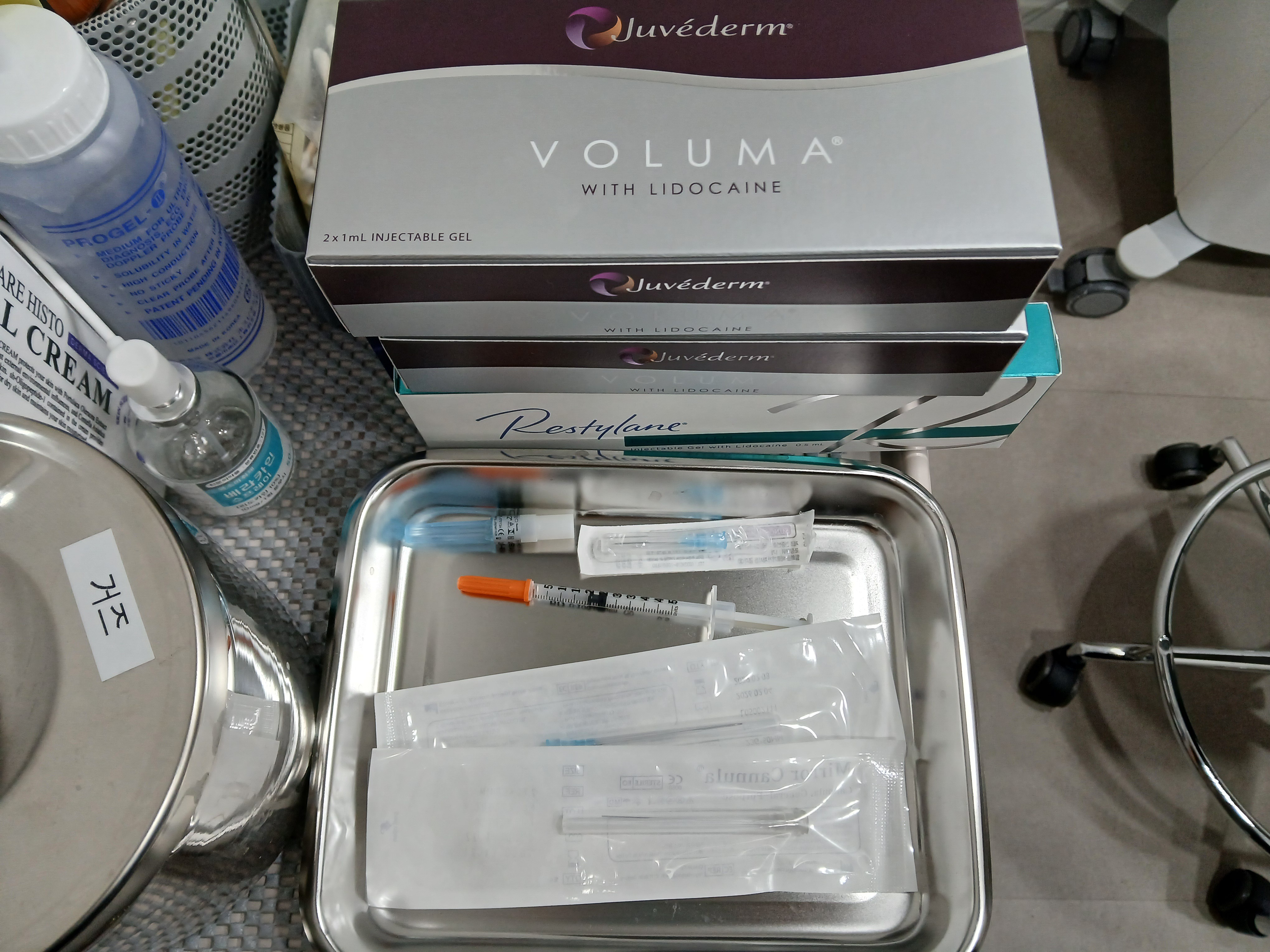
Filler injections in Seoul are a facial-anatomy procedure, not a quick cosmetic errand, so the injector matters as much as the product. This 2026 guide walks through the credentials, safety conversations, and consultation signals that separate a well-run dermatology clinic from a high-risk provider. Use it as a practical framework before you book, and treat every clinic, including LUNN, against the same neutral checklist.
What to Look for in a Seoul Filler Injector: Defining the Standard
Choosing a filler injector in Seoul means verifying that the person holding the syringe has formal dermatology training, deep facial anatomy knowledge, and access to authenticated products. The standard is not the clinic's interior or its marketing language, it is the combination of medical qualification plus procedure-specific experience.
Why Filler Injections Require a Specialist, Not a General Aesthetic Practice
Filler is a medical procedure that places a viscous material into the mid-face, tear troughs, lips, and jawline, all areas with dense vasculature and named danger zones. A general aesthetic practice may offer filler alongside hair removal, body contouring, and skincare, but offering a service is not the same as being trained in its anatomy-specific risks. Vascular occlusion, though uncommon, is a time-sensitive complication that requires an injector who can recognize it immediately and act. In Seoul, the relevant distinction is between a dermatologist who performs filler regularly and a provider who treats it as one item on a long menu. Ask how many filler cases the doctor handles weekly, whether they routinely use cannula or needle techniques, and how they manage a suspected vascular event. A clinic that cannot answer these questions clearly in a calm, specific way is signaling that filler is peripheral to its practice. I frame this as a matter of layered design: each facial plane has its own depth and shadow behavior, and the injector should be able to explain that anatomy before touching the skin.
The Three Pillars: Medical License, Facial Anatomy Expertise, and Product Authenticity
Three verifiable pillars separate a qualified filler provider from an unverified one: a valid medical license, demonstrated facial anatomy expertise, and product authenticity you can confirm on the spot. In South Korea, the license can be checked through the Korean Medical Association, and specialist status through the relevant board. Facial anatomy expertise is harder to audit, but you can probe it by asking the doctor to map the treatment plan on your face, name the arteries near each injection point, and describe the technique they will use. Product authenticity is the third pillar and the easiest to verify: ask to see the sealed box, read the brand and lot number, and confirm the expiry date before the injection begins. We at LUNN treat this transparency as a baseline rather than a courtesy. A clinic that hesitates to show packaging or deflects the lot-number question is failing the simplest test in the sequence.
Red Flags That Signal a High-Risk Provider
Red flags in filler marketing are usually behavioral, not visual, and they show up long before a needle is opened. A provider who guarantees a specific look, dismisses risk questions as negative thinking, or quotes a price far below the Seoul market average is signaling that the incentive structure favors volume over safety. Other warning signs include pressure to decide on the same day, a consultation conducted entirely by a sales representative rather than the doctor, treatment rooms that are not clearly clinical, and a refusal to document the product and lot number in your chart. Guarantees deserve special scrutiny: no responsible injector can promise an exact outcome, because filler behavior depends on tissue, product, and healing. When a clinic speaks only about results and never about limitations, re-treatment intervals, or possible asymmetry, the missing half of the conversation is the part that protects you. Treat that imbalance as a reason to walk away, regardless of how polished the environment looks.
Credentials and Training: Verifying a Dermatologist's Qualifications in Korea
Verification in Korea rests on public registries and direct questions, not on framed certificates hanging in a lobby. You can confirm a doctor's license and specialist status through official channels, and you can ask procedure-specific questions that reveal training depth.
How to Check Board Certification and Specialist Status
Board certification in Korea can be checked through the Korean Medical Association's public lookup and the relevant specialty board, and the doctor's name and license number should match the clinic's posted information. Ask for the license number and confirm it independently, then ask whether the doctor holds dermatology specialist status rather than a general practitioner license. The distinction matters because dermatology residency includes structured training in skin anatomy, wound healing, and injectable complications. A responsible clinic will not be offended by this request and will typically provide the information without delay. I treat credential verification as a normal step in the consultation, similar to confirming a medication list. If a clinic reacts defensively or claims that such checks are unnecessary, that reaction itself is a data point about how the practice handles scrutiny.
The Difference Between a Dermatologist and a Cosmetic Procedure Doctor
A dermatologist completes a residency and board examination focused on skin disease and skin structure, while a cosmetic procedure doctor may hold a general license and learn injectables through short courses. Both can legally perform filler in Korea, but the training depth differs, and so does familiarity with complications such as nodules, granulomas, and vascular compromise. This is not a claim that every general practitioner is unsafe, it is a reminder that the burden of verification falls on you. Ask directly: what is your specialty, how many filler procedures do you perform monthly, and what is your protocol if filler enters a vessel? A dermatologist with regular injectable practice will answer with specifics about hyaluronidase availability, warm compresses, and escalation steps. I recommend that patients ask the same questions at every clinic they visit, so the answers can be compared side by side rather than judged in isolation.
Questions to Ask About a Doctor's Filler-Specific Training
Filler-specific training questions should move past general credentials and into technique, volume planning, and complication management. Useful prompts include: which filler brands do you use most, and why; how do you decide between cannula and needle for tear troughs; what is your typical re-treatment interval for this area; and what percentage of your practice is injectable work? Ask how the doctor handles asymmetry discovered at a two-week review, and whether touch-up product is included or billed separately. These questions are not adversarial, they are the same ones a careful clinician would ask a colleague. A doctor who answers with nuance, including uncertainty about how your tissue will respond, is generally more trustworthy than one who recites confident numbers. I build my consultations around this kind of detail-first conversation, because 1mm differences in placement change how a face reads in natural light.
Safety and Risk Disclosure: What a Responsible Clinic Tells You Before Treatment
Risk disclosure is the clearest available signal of clinic quality, because it costs the provider something to deliver. A responsible clinic volunteers side effects, limitations, and re-treatment planning before you commit, rather than waiting for you to ask.
Mandatory Discussions: Side Effects, Limitations, and Re-treatment Intervals
Before any filler injection, a responsible clinic covers common side effects such as redness, swelling, bruising, and mild discomfort, along with less common risks including nodules, asymmetry, infection, and vascular occlusion. The conversation should also address limitations: filler does not correct skin laxity, results vary with tissue thickness and healing, and maintenance sessions are typically needed over time. Re-treatment intervals depend on the product and area, and the clinic should explain how it plans the next session rather than implying a single visit is final. Ask what signs warrant an urgent call, and confirm the clinic has a direct contact route after hours. If hyaluronidase is part of the emergency protocol, ask whether it is stocked on site. I include these points in my standard consent discussion, because balanced information is the foundation of a decision a patient can stand behind later.
The Role of Consent and HIPAA-Style Privacy Protections
Informed consent and privacy protection are procedural, but they reveal how a clinic handles patient information and patient autonomy. Consent should be documented in writing, cover the specific product and area, and be signed after the risk discussion, not before it. In the United States, patient images and case stories require signed HIPAA authorization before any marketing use, and clinics that publish identifiable photos without clear consent are demonstrating a weak privacy culture. In Korea, equivalent personal information protections apply under the Personal Information Protection Act. Ask how your photos will be stored, whether they will appear on social media, and how you can withdraw consent later. We at LUNN keep treatment records and images separate from any promotional material unless a patient has given explicit written permission, and we treat that separation as a clinical norm rather than an administrative courtesy.
Why Clinics That Avoid Risk Talk Should Be Avoided
A clinic that avoids risk talk is usually optimizing for conversion, and that optimization tends to reappear at every step of care. When a provider skips over swelling, bruising, nodule risk, and the possibility of a repeat session, the patient is left to discover these realities alone, often at the moment they are least able to evaluate them. Avoidance takes recognizable forms: brushing off questions with reassurance, moving quickly to pricing, presenting a consent form as a formality, or implying that complications only happen elsewhere. None of these behaviors is proof of poor skill, but together they predict an environment where problems are handled reactively rather than preventively. A simple test is to ask what the clinic does when a result is not what the patient hoped for. The quality of that answer, more than any brochure, tells you what kind of partner you are choosing for a procedure that involves your face.
Comparing Filler Providers in Seoul: A Practical Checklist
Comparison is easier when the criteria are fixed in advance. The table below lists characteristics of three common provider types in neutral terms, without ranking them, so you can weigh fit against your own priorities.
Comparison Table: University-Trained Dermatologist vs. Aesthetic Clinic vs. Medical Spa
| Factor | University-Trained Dermatologist | Aesthetic Clinic | Medical Spa |
|---|---|---|---|
| Specialist credential | Dermatology board certification common | Varies by clinic | Often no dermatology specialist on site |
| Filler focus | Procedural and complication management integrated | Filler among a broad menu | Filler may be limited or referral-based |
| Risk disclosure | Structured, documented before consent | Variable | Variable, often brief |
| Product transparency | Lot numbers recorded in chart | Usually available on request | Not always verifiable |
| Aftercare protocol | Written instructions and follow-up | Variable | Varies by facility; verify if protocols are documented |
| Typical price band | Mid to high | Mid | Low to mid |
| Best suited for | Complex anatomy or prior complications | Straightforward cases | Non-injectable services |
Cost Versus Value: What Price Ranges Really Indicate
Filler pricing in Seoul varies with product brand, syringe count, area, clinic location, and injector experience, so a single number rarely tells the whole story. A quote far below the market average can indicate diluted product, a less experienced injector, or an unbundled fee structure where the advertised price covers only the first syringe. Ask what the quoted price includes and whether touch-ups are billed separately. Value is better judged by the consultation itself: did the clinic review your history, map your anatomy, and explain product choice? Did it discuss complications without prompting? I suggest that patients compare at least three quotes on identical terms, area, product, and syringe count, before deciding. Cost matters, but it should be the last variable you compare, not the first, because the cheapest quote can become the most expensive choice if a correction is needed later.
Consultation Experience: What a Thorough Assessment Looks Like
A thorough filler consultation follows a predictable sequence: medical history, facial assessment, goal setting, treatment explanation with risks, alternatives, and an open question period. The assessment should include your medications and allergies, prior filler or botulinum history, and any autoimmune or bleeding conditions. The doctor should examine your face in natural light, discuss asymmetry that already exists, and explain why a specific product or technique suits your anatomy. Alternatives should be mentioned, including waiting, using a different modality, or addressing skin quality first. Timing and aftercare should be covered before payment is discussed. You should leave with written information and a clear contact route. I structure consultations this way so that patients can compare experiences across clinics using the same objective criteria, and so that the decision feels like a medical choice rather than a purchase.
Frequently Asked Questions
Q. How can I verify that a dermatologist in Seoul is qualified to perform filler injections?
Ask for the doctor's medical license number and confirm it through the Korean Medical Association's public lookup, then ask whether they hold dermatology specialist status and confirm that through the relevant board. A qualified clinic will provide this information without hesitation and will not treat the request as unusual. You can also ask how many filler procedures the doctor performs monthly and what their protocol is for vascular complications, since those answers reveal procedure-specific experience beyond general credentials.
Q. What are the typical risks and side effects of filler injections?
Common effects include temporary redness, swelling, bruising, and mild discomfort at the injection site, which usually settle within days. Less common risks include nodules, asymmetry, infection, and vascular occlusion, which is a serious complication requiring immediate medical attention. A responsible provider discusses these possibilities before treatment, confirms that hyaluronidase is available if needed, and gives you a direct contact route for urgent concerns. The presence or absence of that conversation is one of the clearest quality signals you can observe.
Q. How much do filler injections cost in Seoul, and what factors affect the price?
Prices vary with the product brand, the number of syringes, the treatment area, the clinic's location, and the injector's experience, and they can range widely across the city. Be cautious with quotes that fall far below the market average, since they may reflect diluted product, an unbundled fee structure, or a less experienced injector. Ask exactly what the quote includes and whether touch-ups are billed separately, then compare at least three clinics on identical terms before deciding.
Q. What should I expect during a filler consultation at a reputable clinic?
A thorough consultation includes a review of your medical history, a facial assessment in natural light, a discussion of your goals, and a clear explanation of the recommended treatment with its risks and limitations. The doctor should mention alternatives, including waiting or addressing skin quality first, and should give you time for questions without pressure. You should leave with written information and a clear contact route, and payment should not be the first topic raised.
Q. Are there any questions I should avoid asking or red flags to watch for during a consultation?
No question is off-limits, but certain answers should raise concern. Be wary of providers who guarantee specific results, dismiss risk questions, use high-pressure same-day tactics, or quote unusually low prices. Other red flags include consultations conducted entirely by sales staff, a refusal to show product packaging or lot numbers, and a clinic that cannot describe its complication protocol. A defensive reaction to reasonable questions is itself informative about how the practice operates.
Q. How can I confirm that the filler product used is authentic and safe?
Ask to see the sealed packaging before the injection begins, and check the brand name, lot number, and expiry date against the product's official labeling. Reputable clinics source from authorized distributors and record the product details in your medical chart, which you can request to see. If a clinic declines to show the box or answer lot-number questions, treat that as a reason to pause and reconsider the appointment.
Q. What aftercare instructions should a clinic provide after filler injections?
You should receive written aftercare instructions covering activity restrictions, such as avoiding strenuous exercise, excessive heat, and alcohol for at least 24 to 48 hours, along with guidance on when to expect swelling to settle. The clinic should also provide a direct contact number for urgent concerns and schedule a follow-up review to assess the result and address any asymmetry. Clear aftercare is part of the procedure, not an optional extra, and its absence is a legitimate reason to ask why.
Q. Is it safe to get filler injections at a medical spa or non-specialist clinic in Seoul?
Some medical spas employ qualified doctors, but the level of training and oversight varies considerably, and filler carries risks such as vascular occlusion that benefit from specialist familiarity. Before booking, confirm who will perform the injection, what their dermatology training is, and how the clinic handles complications. If those answers are vague, a board-certified dermatologist with regular injectable practice is generally the safer choice, and I encourage patients to prioritize that verification over convenience or price.
If you have further questions about facial anatomy or filler safety, please feel free to reach out for a consultation.
LUNN Dermatology Clinic / Director Hyung-kwon Park
FAQ
- How can I verify that a dermatologist in Seoul is qualified to perform filler injections?
- Ask for the doctor's medical license number and confirm it through the Korean Medical Association's public lookup, then ask whether they hold dermatology specialist status and confirm that through the relevant board. A qualified clinic will provide this information without hesitation and will not treat the request as unusual. You can also ask how many filler procedures the doctor performs monthly and what their protocol is for vascular complications, since those answers reveal procedure-specific experience beyond general credentials.
- What are the typical risks and side effects of filler injections?
- Common effects include temporary redness, swelling, bruising, and mild discomfort at the injection site, which usually settle within days. Less common risks include nodules, asymmetry, infection, and vascular occlusion, which is a serious complication requiring immediate medical attention. A responsible provider discusses these possibilities before treatment, confirms that hyaluronidase is available if needed, and gives you a direct contact route for urgent concerns. The presence or absence of that conversation is one of the clearest quality signals you can observe.
- How much do filler injections cost in Seoul, and what factors affect the price?
- Prices vary with the product brand, the number of syringes, the treatment area, the clinic's location, and the injector's experience, and they can range widely across the city. Be cautious with quotes that fall far below the market average, since they may reflect diluted product, an unbundled fee structure, or a less experienced injector. Ask exactly what the quote includes and whether touch-ups are billed separately, then compare at least three clinics on identical terms before deciding.
- What should I expect during a filler consultation at a reputable clinic?
- A thorough consultation includes a review of your medical history, a facial assessment in natural light, a discussion of your goals, and a clear explanation of the recommended treatment with its risks and limitations. The doctor should mention alternatives, including waiting or addressing skin quality first, and should give you time for questions without pressure. You should leave with written information and a clear contact route, and payment should not be the first topic raised.
- Are there any questions I should avoid asking or red flags to watch for during a consultation?
- No question is off-limits, but certain answers should raise concern. Be wary of providers who guarantee specific results, dismiss risk questions, use high-pressure same-day tactics, or quote unusually low prices. Other red flags include consultations conducted entirely by sales staff, a refusal to show product packaging or lot numbers, and a clinic that cannot describe its complication protocol. A defensive reaction to reasonable questions is itself informative about how the practice operates.
- How can I confirm that the filler product used is authentic and safe?
- Ask to see the sealed packaging before the injection begins, and check the brand name, lot number, and expiry date against the product's official labeling. Reputable clinics source from authorized distributors and record the product details in your medical chart, which you can request to see. If a clinic declines to show the box or answer lot-number questions, treat that as a reason to pause and reconsider the appointment.
- What aftercare instructions should a clinic provide after filler injections?
- You should receive written aftercare instructions covering activity restrictions, such as avoiding strenuous exercise, excessive heat, and alcohol for at least 24 to 48 hours, along with guidance on when to expect swelling to settle. The clinic should also provide a direct contact number for urgent concerns and schedule a follow-up review to assess the result and address any asymmetry. Clear aftercare is part of the procedure, not an optional extra, and its absence is a legitimate reason to ask why.
- Is it safe to get filler injections at a medical spa or non-specialist clinic in Seoul?
- Some medical spas employ qualified doctors, but the level of training and oversight varies considerably, and filler carries risks such as vascular occlusion that benefit from specialist familiarity. Before booking, confirm who will perform the injection, what their dermatology training is, and how the clinic handles complications. If those answers are vague, a board-certified dermatologist with regular injectable practice is generally the safer choice, and lunnclinic encourages patients to prioritize that verification over convenience or price.