
Post
How to Avoid Looking Overfilled After Facial Filler: A 2026 Guide from LUNN
Hello, I am Dr. Hyung Kwon Park, a board-certified dermatologist at LUNN.
Understanding Facial Overfilling: Definition and Causes
Facial overfilling is the appearance of unnatural puffiness, heaviness, or distortion caused by excessive, misplaced, or poorly layered dermal filler.
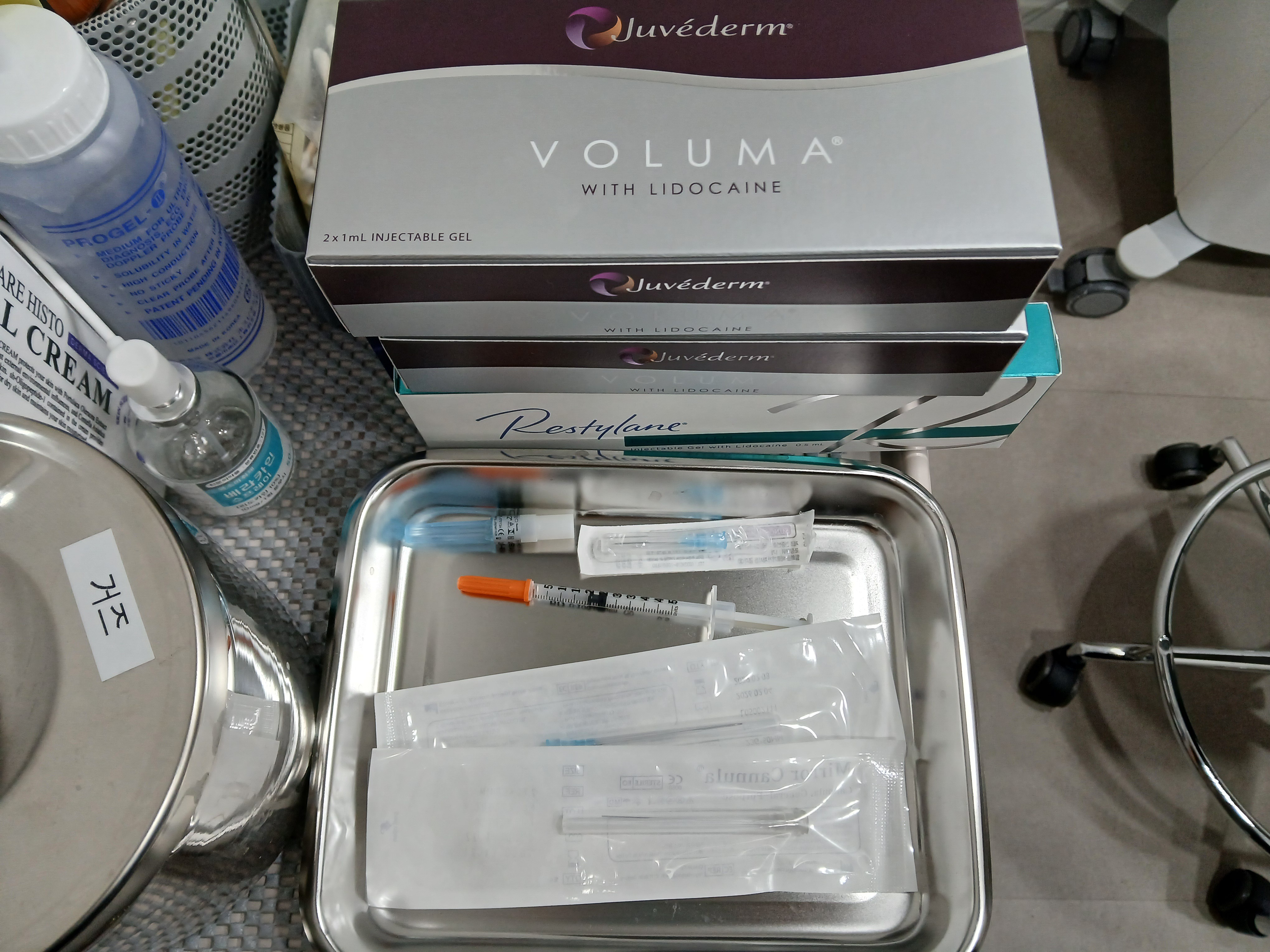
The goal of modern filler treatment is subtle enhancement of existing structure, and understanding why an overfilled look occurs is the first step toward preventing it in my practice at LUNN.
What Does 'Overfilled' Mean in Facial Aesthetics?
An overfilled appearance means the face reads as heavier, wider, or more convex than the underlying bone structure would naturally support. It is not simply a matter of volume; it is a question of proportion, placement, and product behavior over time. Patients often describe it as looking 'puffy' or 'done' even when the total volume injected was modest. In aesthetic practice, this effect usually reflects an imbalance between how much product was placed and how much structural support the surrounding tissue can tolerate. Soft tissue in the midface and perioral region can hold only a limited amount of volume before contours begin to blur. Hyaluronic acid fillers are the most commonly used category worldwide, and because they are reversible with hyaluronidase, they are also the most forgiving when correction is needed. Recognizing the difference between genuine volume restoration and artificial distension is central to the diagnostic approach I use at LUNN.
Common Causes of an Overfilled Appearance
Several factors converge to produce an overfilled look, and most are preventable with careful planning. Repeated large-volume sessions without adequate assessment, using a firm product in a soft-tissue zone, and layering filler superficially where the skin is thin are frequent contributors. Product choice matters: high G-prime fillers designed for deep structural support behave differently from soft, low-viscosity products intended for fine lines. Injecting a structural filler into the superficial malar or tear-trough region can create visible ridges rather than smooth contour. Technique also plays a role, since bolus injection concentrates product in one plane instead of distributing it across tissue layers. Individual anatomy, including skin thickness, fat pad distribution, and prior treatments, further modifies how much volume a face can accept gracefully. Finally, cumulative volume over years is often underestimated, because patients may see multiple providers and lose track of total product received. At LUNN, a documented treatment history is part of every filler consultation for this reason.
How Facial Anatomy Contributes to Overfilling Risk
The face is not a uniform canvas, and certain zones carry higher risk of appearing overfilled. The midface, particularly the malar and submalar region, contains fat compartments that can be displaced or compressed by excess product. The perioral area and lips have thin mucosa and limited capacity for additional volume before eversion or flattening of the vermilion border occurs. The tear trough is among the most technique-sensitive zones because the skin is thin and the underlying orbicularis muscle moves constantly. In these areas, small volumes produce visible change, and slight excess becomes apparent. Age-related changes add complexity, since bone resorption and fat pad atrophy alter where volume should be placed. A face that has lost skeletal support may appear overfilled if soft-tissue filler is used to compensate for structural deficits. Understanding these anatomical relationships is fundamental to the assessment I perform at LUNN.
Prevention Strategies: How to Avoid Looking Overfilled
Prevention of an overfilled look depends on three pillars: appropriate product selection, conservative and staged dosing, and a detailed pre-treatment assessment. These principles guide every filler plan at LUNN and are more reliable than any attempt to correct a result after the fact. As with any injectable treatment, individual results may vary, and potential side effects such as swelling, bruising, or rare vascular risks should be discussed during your consultation.
Choosing the Right Filler and Technique
Product selection should match the biomechanical demand of the treatment zone. Deep structural support in the midface typically calls for a firmer, cohesive hyaluronic acid filler with higher G-prime, while superficial rhytides and lip definition benefit from softer, more malleable formulations. Using a structural product in a delicate area is one of the most common reasons a result looks heavy. Technique is equally important: small aliquots, retrograde linear threading, and layering across planes distribute product more evenly than single-point bolus injection. Cannula techniques can reduce the number of puncture points and lower vascular risk in high-risk zones. The choice between needle and cannula should follow anatomy rather than habit. At LUNN, the product and technique decision is made only after palpation and dynamic assessment of the treatment area, and the rationale is explained to the patient before any injection begins.
The Role of Conservative Dosing and Gradual Enhancement
Conservative dosing means treating the minimum volume needed to achieve a visible but natural improvement, then reassessing. This approach reduces the risk of overshooting in a single session, when tissue edema can mask the true result. Gradual enhancement across multiple visits allows the practitioner to observe how the product settles and how the face responds over weeks. It also gives patients time to adjust to a new appearance, which is important because sudden large changes often feel unnatural to the patient and to observers. A staged plan typically begins with structural support, followed by refinement of transitions in later sessions. This sequence mirrors how facial aging progresses and produces a more coherent result. Patients at LUNN are counseled that fewer syringes used well often outperform larger volumes used hastily, and that the plan can always be extended.
Why a Detailed Assessment Matters Before Treatment
A detailed assessment identifies the anatomical and treatment-history factors that determine how much volume a face can accept. It includes evaluation of skin thickness, fat pad distribution, skeletal support, ligamentous laxity, and prior filler use. Photographic documentation at rest and in animation helps detect asymmetries and dynamic issues that static assessment misses. Discussion of the patient's aesthetic goals clarifies whether they want restoration, enhancement, or transformation, since each requires a different volume strategy. Assessment also screens for contraindications such as active infection, pregnancy, or known hypersensitivity. At LUNN, the consultation is treated as a diagnostic step rather than a sales opportunity, and recommendations are made only where a clear structural rationale exists. This diagnostic-first approach is central to avoiding overfilling.
Comparing Filler Approaches: Traditional vs. Micro-Dosing and Cannula Techniques
Filler techniques differ in volume per session, distribution pattern, and risk profile. Understanding these differences helps patients and practitioners choose an approach aligned with natural-looking outcomes rather than maximum volume in a single visit at LUNN.
Traditional Bolus vs. Micro-Dosing: Pros and Cons
Traditional bolus injection delivers a larger volume in fewer passes, often in a single session. It offers efficiency and immediate visible correction, which some patients prefer for scheduling reasons. However, the concentrated deposition can create palpable lumps, visible ridges, and an abrupt change in contour. Edema from a large session also obscures the true result until swelling resolves, which raises the risk of overshooting. Micro-dosing, by contrast, distributes smaller aliquots across multiple sessions or across several passes in one session. It allows gradual adjustment, better accommodation by surrounding tissue, and easier course correction between visits. The trade-off is more appointments and a slower visible change. For patients with thin skin, prior filler history, or a desire for subtle improvement, micro-dosing is often the more controllable strategy. At LUNN, the choice is individualized after assessment rather than applied as a fixed protocol.
Needle vs. Cannula: Impact on Natural Results
Needles offer precision for small, focal placement and are often used for lip definition and fine contouring. Cannulas, which are blunt-tipped, are typically used for broader threading across a plane and can reduce the number of entry points and vascular injury risk in high-risk zones such as the glabella and nasolabial region. Neither instrument is inherently superior; the appropriate choice depends on the treatment area, the product viscosity, and the practitioner's familiarity. Cannula placement can produce smoother distribution across a wider area, which supports a more natural transition between treated and untreated zones. Needle placement allows targeted delivery where focal support is required. Vascular occlusion remains a rare but serious risk with either approach, and recognizing early warning signs is essential. At LUNN, instrument selection is explained to the patient as part of the consent process.
Table: Comparison of Filler Techniques for Avoiding Overfilling
| Technique | Typical volume per session | Distribution pattern | Suited zones | Considerations |
|---|---|---|---|---|
| Traditional bolus | Larger | Concentrated, few passes | Deep structural support | Higher risk of lumps and abrupt contour change |
| Micro-dosing | Smaller | Spread across passes or sessions | Midface, perioral, tear trough | Requires multiple visits; slower visible change |
| Needle placement | Variable | Focal, precise | Lips, fine contouring | Vascular risk in high-risk zones |
| Cannula threading | Variable | Broad, linear | Midface, nasolabial, glabella | Fewer entry points; technique dependent |
| Layered multi-plane | Moderate | Across tissue planes | Full face | Requires detailed anatomical assessment |
Each approach carries trade-offs, and the table is intended as a neutral reference rather than a ranking of superiority.
Recognizing and Managing Overfilled Results
Recognizing an overfilled result early allows for simpler correction. Management ranges from observation to enzymatic reversal, and the appropriate path depends on the product used, the time since injection, and the presence of any vascular symptoms at LUNN.
Signs You May Be Overfilled
An overfilled appearance typically presents as fullness that exceeds the underlying skeletal framework, loss of natural transition zones, or a face that appears wider in photographs than in memory. Patients may notice heaviness in the midface, a smoothed but flattened nasolabial transition, or lips that feel tight and everted. Palpable lumps or visible ridges suggest uneven product distribution rather than simple excess volume. Dynamic signs, such as product migration during smiling or speaking, indicate that filler has moved from its intended plane. Persistent swelling beyond the expected two-week settling period is another indicator worth evaluating. Importantly, some of these signs overlap with normal post-treatment edema, which is why assessment by the treating practitioner is more reliable than self-diagnosis. At LUNN, patients are encouraged to return for a review visit rather than judge the result in the first weeks.
Options for Correction: Dissolving, Massage, and Time
Correction options depend on the filler type. Hyaluronic acid fillers can be dissolved with hyaluronidase, an enzyme that breaks down the product; the dose and number of sessions vary with the volume and duration of the filler present. This is the most definitive correction method for hyaluronic acid products, though the enzyme carries its own risks, including allergic reaction and unintended breakdown of native hyaluronic acid. Massage may help redistribute small, recent nodules but is not effective for large-volume excess and should be guided by the practitioner. Time allows some fillers to settle and soften, and mild overfilling may improve over weeks to months as edema resolves. For non-hyaluronic acid fillers, correction is more limited and may require observation or, in selected cases, surgical intervention. At LUNN, correction planning always begins with identifying exactly what product was used and when.
When to Seek Professional Help
Certain symptoms require urgent evaluation rather than routine follow-up. Pain out of proportion to the procedure, blanching, mottled discoloration, or any visual change should prompt immediate contact with a clinician, as these may indicate vascular compromise. Firm, expanding nodules weeks or months after injection may suggest biofilm formation or a delayed hypersensitivity reaction and warrant assessment. Persistent asymmetry that does not resolve after swelling subsides is another reason to seek review. Patients should avoid attempting self-massage with excessive force or seeking correction from an unqualified provider, since both can worsen the situation. At LUNN, urgent review is available for patients with concerning symptoms, and the practice maintains a clear protocol for vascular emergency management. Timely professional assessment remains the safest course.
Long-Term Maintenance and Realistic Expectations
Long-term filler planning balances the desire to preserve correction with the need to avoid cumulative excess. Realistic expectations, documented treatment history, and consistent provider relationships are the foundation of sustainable results at LUNN.
How Often Should You Get Filler to Maintain Natural Results?
Maintenance intervals depend on the product's longevity, the treatment zone, and individual metabolism. Hyaluronic acid fillers in mobile areas such as the lips typically last six to twelve months, while firmer structural fillers in the midface may persist longer. Rather than following a fixed calendar, maintenance should be guided by observed volume loss on assessment. Some patients benefit from small touch-ups at longer intervals, while others may prefer to allow full resolution before re-treatment. Extending intervals where possible reduces cumulative volume and lowers the risk of overfilling. Documentation of each session, including product type, volume, and site, supports accurate interval planning. At LUNN, the maintenance schedule is reviewed at each visit and adjusted to the patient's anatomy and preferences rather than to a standard protocol.
Balancing Volume Loss and Prevention of Overfilling
The central challenge in long-term filler care is distinguishing genuine volume loss from the appearance of volume loss created by prior overfilling. In some cases, a face that looks deflated is actually carrying excess product in the wrong plane, and adding more volume worsens the appearance. Careful assessment, including comparison with earlier photographs, helps clarify this distinction. When true volume loss is present, restoring support at the structural level often requires less product than superficial filling. When cumulative excess is present, a period of observation or partial dissolution may be appropriate before any new treatment. This balancing act requires honest communication between patient and practitioner. At LUNN, patients are encouraged to bring previous treatment records and to discuss any concerns about their current appearance openly.
The Importance of Provider Selection and Communication
Provider selection is one of the most influential factors in avoiding an overfilled result. A practitioner with detailed anatomical knowledge, a conservative philosophy, and a documented treatment history is better positioned to produce natural outcomes. Communication matters equally: patients should describe their goals in specific terms, bring reference images, and state clearly that they want subtle enhancement rather than transformation. Asking about product choice, volume planned, and technique is reasonable and helps set expectations. Patients should also disclose prior filler treatments, even if performed elsewhere, because cumulative volume is a key risk factor. At LUNN, the consultation includes an explicit discussion of what will and will not be treated in a given session. As with any injectable procedure, individual responses vary, and some patients may require more than one session to reach the desired result. This guide is intended as general information and is not a substitute for personalized medical advice.
Key Takeaways
- Overfilling is a matter of proportion, placement, and cumulative volume, not simply total product injected.
- Conservative dosing, staged sessions, and appropriate product selection reduce the risk of a heavy result.
- Cannula and micro-dosing techniques can support smoother distribution, though each has trade-offs.
- Hyaluronic acid fillers can be reversed with hyaluronidase, but correction carries its own considerations.
- Individual responses vary, and some patients may need multiple sessions to reach a natural result.
Frequently Asked Questions
Q. What exactly does it mean to look overfilled after facial filler?
Looking overfilled means the face appears unnaturally puffy, heavy, or distorted due to excessive, misplaced, or superficially layered filler. It can result from too much product, improper technique, or using a firm structural filler in a delicate area. The aim of treatment is subtle enhancement of existing structure, not an obvious 'done' appearance, and recognizing this distinction guides prevention at LUNN.
Q. How can I prevent overfilling when getting facial fillers?
Prevention begins with selecting an experienced, anatomy-focused injector who prioritizes natural results. Discuss your goals openly, opt for conservative dosing, and consider starting with less volume and adding gradually across sessions. Techniques such as micro-dosing and cannula placement can support smoother distribution. Communicating a preference for subtle enhancement, rather than maximum correction, is one of the most effective preventive steps at LUNN.
Q. Are there specific fillers or techniques that reduce the risk of overfilling?
Softer, more flexible hyaluronic acid fillers are often preferred in areas prone to overfilling because they can be dissolved if needed. Micro-dosing, cannula threading, and layering product in small amounts across multiple sessions can lead to more natural outcomes. Product choice should match the biomechanical demand of the treatment zone, so a provider should tailor the approach to your anatomy rather than apply a fixed formula. This individualized planning is central to care at LUNN.
Q. What should I do if I think I already look overfilled?
First, consult your injector or a board-certified dermatologist for an in-person assessment. In many cases, overfilling can be managed by allowing the filler to settle or by using hyaluronidase to dissolve hyaluronic acid products. Massage may help in some instances, but professional guidance is essential. Avoid attempting to fix the result yourself, as this can worsen the situation or delay appropriate care.
Q. How much does it cost to correct overfilling, and does insurance cover it?
Costs vary depending on the correction method, the number of sessions, and the provider. Dissolving filler with hyaluronidase is typically priced per session and may require more than one visit. Cosmetic filler complications are generally not covered by insurance, so it is wise to discuss fees upfront with your provider. Specific pricing should be confirmed during consultation rather than assumed.
Q. Can overfilling cause long-term damage?
Overfilling itself is usually not permanently damaging, but it can contribute to skin stretching, tissue laxity, and, in rare cases, vascular complications if filler enters a blood vessel. With proper technique and timely correction, most issues resolve. Seek prompt care if you experience pain, discoloration, or any visual change, as these may indicate a vascular event requiring urgent evaluation. Individual outcomes vary, and follow-up assessment is important.
Q. How can I communicate with my injector to ensure a natural look?
Be specific about your goals and bring reference photos of results you like and dislike. Emphasize that you want to look refreshed rather than transformed, and ask about the injector's approach to dosing, product choice, and technique. A thorough injector will assess your facial anatomy and recommend a conservative plan that prioritizes harmony. Clear communication before treatment is one of the most reliable ways to avoid an overfilled result.
Q. Is it better to get filler in multiple small sessions rather than one large session?
For many patients, multiple small sessions are preferable because they allow gradual adjustment and reduce the risk of overshooting. This approach lets the provider assess how your face responds and make fine-tuning adjustments between visits. It also gives you time to become comfortable with the change and supports a more natural progression. Some patients may still prefer a single session, and the choice should be individualized after assessment.
For personalized guidance on avoiding an overfilled look, a consultation at LUNN provides an anatomy-based assessment and a conservative treatment plan. Lunn Dermatology Clinic / Dr. Hyung Kwon Park.
FAQ
- What exactly does it mean to look overfilled after facial filler?
- Looking overfilled means the face appears unnaturally puffy, heavy, or distorted due to excessive, misplaced, or superficially layered filler. It can result from too much product, improper technique, or using a firm structural filler in a delicate area. The aim of treatment is subtle enhancement of existing structure, not an obvious 'done' appearance, and recognizing this distinction guides prevention at lunnclinic.
- How can I prevent overfilling when getting facial fillers?
- Prevention begins with selecting an experienced, anatomy-focused injector who prioritizes natural results. Discuss your goals openly, opt for conservative dosing, and consider starting with less volume and adding gradually across sessions. Techniques such as micro-dosing and cannula placement can support smoother distribution. Communicating a preference for subtle enhancement, rather than maximum correction, is one of the most effective preventive steps at lunnclinic.
- Are there specific fillers or techniques that reduce the risk of overfilling?
- Softer, more flexible hyaluronic acid fillers are often preferred in areas prone to overfilling because they can be dissolved if needed. Micro-dosing, cannula threading, and layering product in small amounts across multiple sessions can lead to more natural outcomes. Product choice should match the biomechanical demand of the treatment zone, so a provider should tailor the approach to your anatomy rather than apply a fixed formula. This individualized planning is central to care at lunnclinic.
- What should I do if I think I already look overfilled?
- First, consult your injector or a board-certified dermatologist for an in-person assessment. In many cases, overfilling can be managed by allowing the filler to settle or by using hyaluronidase to dissolve hyaluronic acid products. Massage may help in some instances, but professional guidance is essential. Avoid attempting to fix the result yourself, as this can worsen the situation or delay appropriate care.
- How much does it cost to correct overfilling, and does insurance cover it?
- Costs vary depending on the correction method, the number of sessions, and the provider. Dissolving filler with hyaluronidase is typically priced per session and may require more than one visit. Cosmetic filler complications are generally not covered by insurance, so it is wise to discuss fees upfront with your provider. Specific pricing should be confirmed during consultation rather than assumed.
- Can overfilling cause long-term damage?
- Overfilling itself is usually not permanently damaging, but it can contribute to skin stretching, tissue laxity, and, in rare cases, vascular complications if filler enters a blood vessel. With proper technique and timely correction, most issues resolve. Seek prompt care if you experience pain, discoloration, or any visual change, as these may indicate a vascular event requiring urgent evaluation. Individual outcomes vary, and follow-up assessment is important.
- How can I communicate with my injector to ensure a natural look?
- Be specific about your goals and bring reference photos of results you like and dislike. Emphasize that you want to look refreshed rather than transformed, and ask about the injector's approach to dosing, product choice, and technique. A thorough injector will assess your facial anatomy and recommend a conservative plan that prioritizes harmony. Clear communication before treatment is one of the most reliable ways to avoid an overfilled result.
- Is it better to get filler in multiple small sessions rather than one large session?
- For many patients, multiple small sessions are preferable because they allow gradual adjustment and reduce the risk of overshooting. This approach lets the provider assess how your face responds and make fine-tuning adjustments between visits. It also gives you time to become comfortable with the change and supports a more natural progression. Some patients may still prefer a single session, and the choice should be individualized after assessment.