
Post
Can a Dermatologist Tell If Your Heel Cracks Are a Fungal Infection? A 2026 Guide from LUNN
Hello, I am Dr. Hyung Kwon Park, a board-certified dermatologist at LUNN in Cheongdam and Apgujeong Rodeo.
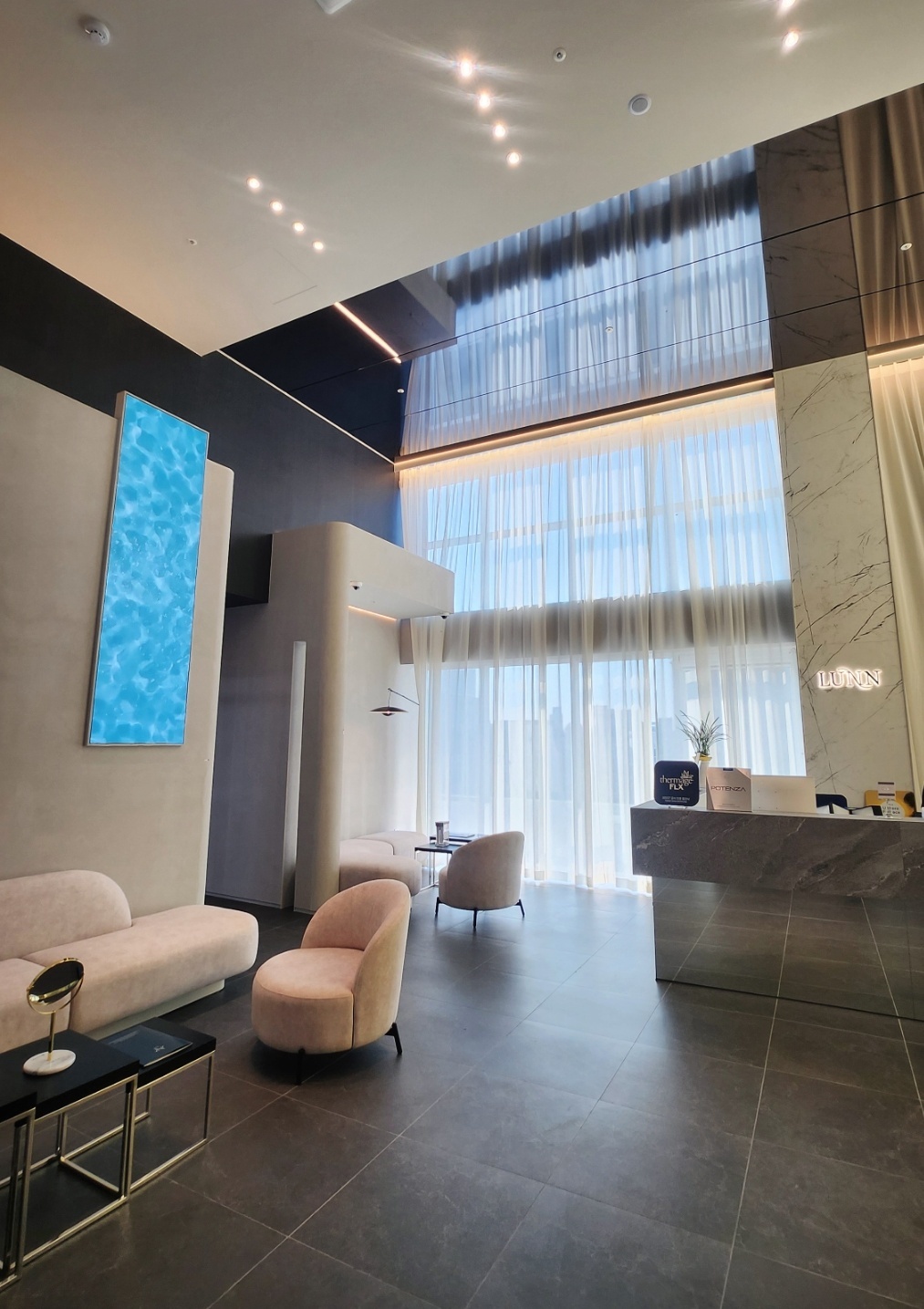
As someone who focuses on the philosophy of "Refining the Details," I believe that a precise diagnosis is the foundation of every successful treatment.
Understanding Cracked Heels and Fungal Infections
Cracked heels are often a sign of mechanical stress or barrier failure of the skin, while a fungal infection is an active microbial colonization. This guide is written for those who have tried every moisturizer without success. My role as a dermatologist at LUNN is to help you understand what a professional examination reveals, preventing the risks of self-diagnosis and inappropriate home treatment. At our clinic, we prioritize a structural analysis of the skin before jumping into any procedure.
What Are Cracked Heels and How Do They Form?
Cracked heels, or heel fissures, occur when the thick stratum corneum loses elasticity faster than the pressure of standing and walking can be absorbed. The heel pad carries significant weight during routine gait, and repeated loading produces fissures where the skin is driest. Contributing forces include open-back footwear, low humidity, and age-related changes. When a fissure extends into the dermis, pain and bleeding can follow.
A smaller subset of patients has medical drivers like diabetes or hypothyroidism. In many cases, simple dryness is the culprit, but at LUNN, we view these fissures as symptoms. We work backward to identify the root cause, ensuring that we don't just treat the surface but address the underlying structural integrity of the skin barrier.
How Dermatologists Distinguish Fungal From Non-Fungal Heel Cracks
Fungal and non-fungal cracks diverge in distribution and accompanying symptoms, but there is a significant clinical "trap" here. While many expect fungal infections to itch intensely, hyperkeratotic tinea pedis (fungal infection) often presents with white scales and no itching at all. This is a common point of confusion where patients assume they simply have dry skin because it doesn't itch, leading to the misuse of mechanical exfoliators that actually damage the skin barrier further.
A patient history adds context. Mechanical cracks are often more painful than itchy, whereas fungal infections—specifically the inflammatory type—might itch. However, the absence of an itch should never be used to rule out a fungal infection. LUNN clinicians take these nuances seriously, confirming the diagnosis with specialized testing before prescribing, as the visual overlap between xerosis and fungus is substantial.
Common Misconceptions About Heel Cracks and Fungus
One persistent misconception is that itchiness alone confirms a fungal infection. As noted, the reverse is also true: the belief that "if it doesn't itch, it's just dry skin" can delay the treatment of true tinea pedis. Another danger is the use of over-the-counter scrapers. If the underlying cause is a fungal infection, aggressive physical exfoliation can spread the virus or fungi through micro-wounds (a phenomenon similar to pseudo-Koebnerization seen in other conditions).
Another misconception is that over-the-counter creams are always harmless. Applying steroid-based creams to an undiagnosed fungal infection can mask symptoms while allowing the infection to thrive. At LUNN, we believe "less is more" when it comes to initial intervention—waiting for a clear diagnosis prevents weeks of using the wrong product. Accurate diagnosis is not just a step; it is the most important part of the care process.
Diagnostic Methods a Dermatologist Uses
Diagnostic methods at LUNN move from non-invasive inspection to targeted laboratory testing. The goal is to determine if the problem is structural (inflammatory/mechanical) or infectious. My expertise in this area is rooted in my clinical research; I authored a first-author paper on these specific dermatological conditions during my residency, which allows me to provide a higher level of diagnostic precision for my patients.
Clinical Examination and History Taking
Clinical examination starts with a thorough inspection of both feet, including web spaces and nails. A clinician notes the depth and location of each fissure and checks for signs of maceration. At LUNN, we don't delegate the initial consultation entirely to staff; I personally examine the skin's texture and thickness to understand the patient's unique anatomy.
History taking covers duration, footwear, and prior treatments. A patient who has used an antifungal with no change provides different diagnostic clues than a new case. We treat the examination as a logic-based investigation, where the decision to test is a deliberate step to ensure we aren't guessing with your health.
KOH Prep, Fungal Culture, and PCR Testing
KOH preparation is our primary office test: a skin scraping is placed in potassium hydroxide to dissolve keratin, leaving fungal elements visible under a microscope. It provides immediate results. For more complex cases, we may use fungal cultures or PCR testing to detect fungal DNA, which offers high sensitivity and faster results than traditional cultures.
These tools are used selectively based on the individual case. For example, if a patient has used topical treatments recently, a culture might be negative even if an infection is present. Our diagnostic approach is informed by both the latest American Academy of Dermatology standards and my own published research on fungal and keratotic skin diseases.
When to Consider a Biopsy or Referral
A skin biopsy is rarely needed but becomes reasonable when standard testing is inconclusive or if conditions like psoriasis or malignancy are suspected. We also consider biopsy for ulcerated lesions that fail to respond to treatment. At LUNN, we discuss these escalations openly so you understand the logic behind every recommendation.
Comparing Common Causes of Heel Cracks: Fungal vs. Non-Fungal
Fungal Infection (Tinea Pedis) vs. Dry Skin (Xerosis)
Tinea pedis often favors the soles and web spaces. A crucial distinction is that fungal infections can be "silent" (non-itchy) but present with persistent, fine white scales. Xerosis affects the heel pad with diffuse flaking and painful fissures. Both can coexist, which is why a professional KOH prep is the most efficient way to distinguish the two and avoid wasting time on ineffective moisturizers.
Comparison Table: Key Features and Diagnostic Clues
| Feature | Fungal (Tinea Pedis) | Dry Skin (Xerosis) | Eczema / Psoriasis |
|---|---|---|---|
| Itch vs. Pain | Often NO itch (in hyperkeratotic type) | Pain with deep fissures | Itch prominent in eczema |
| Appearance | White scales, advancing border | Diffuse scaling, deep cracks | Thick plaques, symmetrical |
| Confirmatory Test | KOH prep, Culture, PCR | Clinical assessment | Clinical, sometimes biopsy |
Treatment Approaches and What to Expect
Treatment must match the diagnosis. A confirmed fungal infection requires targeted antifungals, while barrier failure requires specialized moisturization and structural support. At LUNN, we emphasize that "better results come from the doctor's eye, not just the equipment used."
Antifungal Treatments and Barrier Repair
Confirmed fungus is treated with topical or oral antifungals for two to four weeks. For xerosis, we recommend barrier repair creams containing urea or lactic acid. We advise applying these after bathing to maximize absorption. While treatments are effective, results may vary depending on individual skin thickness and compliance. In rare cases, antifungals can cause mild irritation or redness, and oral versions require monitoring of liver function.
Frequently Asked Questions
Q. Can a dermatologist tell if my heel cracks are a fungal infection just by looking?
Visual inspection provides clues, such as white scaling or web-space involvement, but it cannot be used for a definitive diagnosis. Because hyperkeratotic fungus often does not itch, a KOH prep is necessary to confirm the presence of fungi and avoid incorrect treatment.
Q. Does every fungal infection itch?
No. This is a common myth. Hyperkeratotic tinea pedis often presents with thick, white scales and no itching at all. If you assume it's just dry skin because it doesn't itch, you may be leaving a fungal infection untreated.
Q. What makes LUNN’s approach to foot skin different?
Our approach is led by Dr. Hyung Kwon Park, who has published first-author research on these specific skin conditions. We prioritize a "diagnosis-first" philosophy, using microscopic examination to ensure the treatment plan is medically sound rather than just following a standardized routine.
Q. When should I see a dermatologist for my heels?
If your cracks are painful, bleeding, or not responding to moisturizers after two weeks, you should seek professional help. If you have diabetes or a weakened immune system, early evaluation is essential to prevent secondary infections.
If you have persistent heel cracks, a precise diagnostic consultation can save you months of trial and error. LUNN Dermatology Clinic, led by Dr. Hyung Kwon Park, is dedicated to refining the details of your skin health.
LUNN Dermatology Clinic / Dr. Hyung Kwon Park
FAQ
- Can a dermatologist tell if my heel cracks are a fungal infection just by looking?
- A dermatologist can suspect a fungal cause from scaling, an advancing border, web-space involvement, and itch, but visual inspection alone cannot confirm or exclude infection. A simple office test such as a KOH preparation or fungal culture is usually needed to make a definitive diagnosis. This is why LUNN confirms before prescribing.
- What tests are used to diagnose a fungal heel infection?
- Common tests include a KOH preparation, in which a skin scraping is examined under a microscope, and a fungal culture, which identifies the organism but takes one to four weeks. PCR testing can detect fungal DNA faster and with high sensitivity. The choice depends on the clinical picture and prior treatment.
- How much does it cost to get heel cracks evaluated by a dermatologist?
- Costs vary by location, insurance coverage, and the tests performed, so exact figures cannot be generalized. A consultation and basic test may involve a copay or a modest out-of-pocket charge. Checking with your insurer and the clinic before the visit is the practical approach.
- What are the treatment options for fungal heel cracks?
- Mild cases are usually treated with topical antifungals such as terbinafine or clotrimazole for two to four weeks. Extensive, resistant, or nail-involved cases may require oral antifungals with monitoring. The plan should match the confirmed organism and the severity of the fissures.
- Can I treat suspected fungal heel cracks with over-the-counter products?
- Over-the-counter antifungal creams can be effective for mild cases, but they do not cover every fungus and are not appropriate for eczema or simple dryness. If symptoms persist after two weeks or worsen, a dermatologist should reassess the diagnosis. Self-treatment beyond that point risks delay.
- What are the risks or side effects of treating heel cracks?
- Topical antifungals may cause mild irritation or redness, and oral antifungals carry a risk of liver enzyme elevation and drug interactions, sometimes requiring blood tests. Strong moisturizers are generally well tolerated but can sting cracked skin. A balanced plan includes monitoring and a discussion of these limits.
- How can I prevent heel cracks from recurring?
- Prevention includes drying the feet thoroughly, wearing breathable closed-back shoes, moisturizing regularly, and avoiding shared towels or footwear. If you have diabetes or circulation problems, early evaluation is important. Recurrence is possible, so maintenance matters as much as treatment.
- When should I see a dermatologist for heel cracks?
- See a dermatologist if cracks are painful, bleeding, or not improving after two to four weeks of home care, or if you have diabetes or a weakened immune system. Signs of infection such as spreading redness, swelling, or pus also warrant prompt evaluation. LUNN welcomes a consultation to clarify the cause and plan.