
Post
Why Do Flat Warts Keep Coming Back? A Guide to Immune-Focused Care at LUNN
Hello, I am Dr. Hyung-kwon Park, a board-certified dermatologist in Cheongdam and Apgujeong-rodeo.
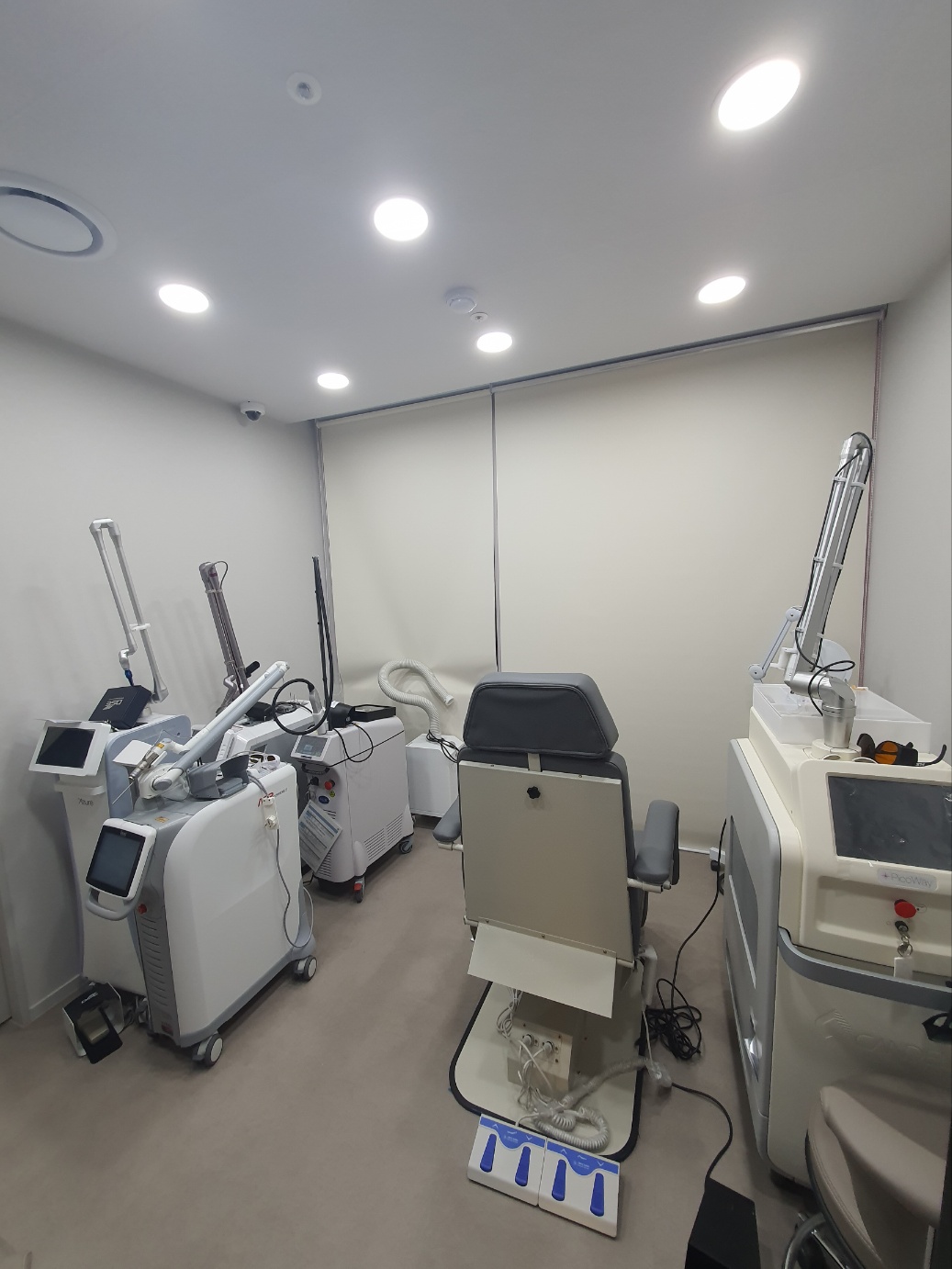
As a dermatologist—or perhaps as a 'small business owner' dedicated to my space—I speak honestly about the frustrations of recurring skin conditions. Many patients visit me after trying various treatments elsewhere, asking the same question: "Why do they keep coming back?" Honestly, it is because we often treat the symptom without addressing the skin's local immunity.
Key Takeaways
- Flat warts are caused by HPV, which can remain latent in the skin even after visible lesions are removed.
- Recurrence is often driven by 'auto-inoculation,' where micro-trauma from shaving or scrubbing spreads the virus.
- At LUNN, laser therapy is not just about 'burning' tissue; it acts as a stimulant to wake up the skin’s immune system to recognize the virus.
- UV protection is not optional; it is essential because ultraviolet rays suppress local skin immunity, allowing the virus to thrive.
- While individualized results vary and side effects like temporary redness or pigment changes can occur, a plan focused on 'details and harmony' is key to long-term management.
Understanding Flat Warts and Why Recurrence Happens
Flat warts are small, slightly raised papules caused by human papillomavirus (HPV). They are notoriously stubborn because visible lesions can clear with treatment, yet new ones emerge weeks later. I often tell my patients that treating warts is like 'weeding a garden'—if you don't address the soil and the roots, the weeds return. At LUNN, we focus on the structure and the environment of your skin to break this cycle.
What Are Flat Warts? Definition and the Viral Connection
Flat warts are benign epidermal growths caused by specific low-risk HPV genotypes. Unlike common rough warts, flat warts have a smooth surface and often spread in a line—a pattern we call the 'Pseudo-Koebner' phenomenon. This happens when the virus enters through microscopic breaks in the skin. Because HPV is an expert at hiding from the immune system, these lesions can persist for months. Understanding that this is a viral infection, not a simple blemish, is the first step. Treatment removes the 'visible guest,' but your immune system must eventually 'lock the door' to prevent its return.
The Role of Shaving Blades and UV Exposure in Recurrence
One of the most common ways flat warts spread is through daily habits. I often warn my male patients: "Your shaving blade may be spreading the virus." Every time a razor passes over a wart, it creates micro-wounds that allow the virus to auto-inoculate adjacent skin. Furthermore, many people overlook the role of the sun. Ultraviolet (UV) radiation is a known immunosuppressant for the skin. If you are not using sunscreen, you are effectively giving the virus a 'free pass' by suppressing the very local immunity needed to fight it off. This is why sun protection is a mandatory part of our protocol at LUNN, not just a post-procedure suggestion.
Treatment Approaches: Beyond Simple Destruction
Most clinics view laser treatment as a purely destructive tool—simply burning away the wart. However, my philosophy at LUNN is different. We view the laser as a precise 'stimulant.'
Laser Therapy: A Stimulant for the Immune System
While we use advanced lasers to target the lesional tissue with precision, the goal isn't just destruction. By applying specific energy parameters, we create a controlled inflammatory response. This acts as a 'flare' that alerts your body’s immune cells to the presence of the virus. We aren't just removing the tissue; we are teaching your skin to recognize and fight the HPV itself. This distinction is vital because purely destructive methods like cryotherapy often leave latent viruses behind. I believe that even a 1mm difference in how we handle these 'details' determines whether the wart returns or stays away.
Comparison of Flat Wart Management Strategies
| Approach | Mechanism | Focus | Note on Recurrence |
|---|---|---|---|
| Standard Destruction | Freezing/Burning tissue | Symptom removal | High risk if latent virus is ignored |
| LUNN Immune Stimulant | Laser + Immune activation | Symptom + Recognition | Aims to wake up local immunity |
| Topical Therapy | Chemical peeling/Retinoids | Skin turnover | Requires long-term consistency |
| Preventive Care | UV blocking + Hygiene | Environment | Essential to prevent immune suppression |
Note: Every patient’s skin is different. Some may require multiple sessions, and results are not guaranteed to be permanent. Common side effects include temporary swelling, redness, or crusting.
Why Precision and 1:1 Care Matter
Flat warts are variable. Their depth, the thickness of your skin, and your individual immune response all play a role. This is why I avoid 'factory-style' treatments. At LUNN, I personally handle the analysis, the procedure, and the follow-up. We look at the 'layers' of the problem—from the visible papule to the underlying skin health.
I often use the analogy that a good camera doesn't make a masterpiece; it is the eye of the photographer. Similarly, the best laser equipment only works as well as the dermatologist who understands the anatomy and the viral logic behind the condition. We prioritize a 'conservative but thorough' approach, often seeing better long-term harmony by not over-treating in a single, aggressive session.
Frequently Asked Questions
Q. Can flat warts be cured permanently?
While we can clear visible lesions and stimulate the immune system, the virus can remain latent. No treatment can guarantee a 100% permanent cure, but a combination of immune-focused treatment and proper aftercare significantly reduces recurrence risk.
Q. Why is sunscreen so important for warts?
UV rays suppress the local immune cells in your skin (Langerhans cells). When your skin’s defense is down, the HPV virus can replicate more easily. Sunscreen is essential to keep your skin’s immune environment strong.
Q. Is it okay to use a facial scrub if I have flat warts?
No. I strongly advise against scrubs or aggressive exfoliation. These create micro-tears in the skin that the virus uses to spread (auto-inoculation). Stick to gentle cleansers until the area is fully cleared.
Q. How many sessions are usually required?
Because flat warts often appear in clusters and have a latent phase, most patients require multiple sessions spaced several weeks apart to ensure we have stimulated the immune response across all affected areas.
Q. What are the common side effects of laser treatment?
You may experience temporary redness, swelling, or small scabs (crusting) for a few days. In some cases, temporary pigment changes may occur, which is why we emphasize strict sun protection and individualized post-care.
If you are tired of the cycle of clearing and recurring warts, it may be time to move beyond simple destruction. At LUNN, we focus on the details that others might miss. To schedule a consultation at our Cheongdam location, please contact our clinic. You can also find general skin health notes by following @dr.lunn on Threads.
Lunn Dermatology Clinic / Dr. Hyung-kwon Park
FAQ
- Can flat warts be cured permanently?
- Flat warts can be cleared with treatment, but HPV may remain latent in the skin, so recurrence is possible. Permanent cure is not guaranteed for every patient, and outcomes vary with immune status, lesion location, and aftercare. A dermatologist can discuss realistic expectations for your case.
- How long does it take for flat warts to clear after treatment?
- Clearance time depends on the treatment and individual response. Destructive therapies may clear lesions within weeks to months, sometimes requiring multiple sessions, while topical and immune-based therapies may take longer. Your dermatologist can provide a timeline based on lesion number, location, and prior response.
- Are flat warts contagious even after treatment?
- Yes. Flat warts are caused by HPV, and the virus can be present in clinically normal skin even after visible lesions are removed. Transmission to others or to other body sites remains possible, so hygiene measures and avoiding direct contact with lesions are important.
- What can I do to prevent flat warts from spreading?
- Avoid picking or scratching warts, keep affected areas covered when possible, maintain hand hygiene, and do not share towels, razors, or cosmetic applicators. For facial warts, avoid shaving over lesions and use gentle skin care. These measures reduce self-inoculation and transmission.
- Do flat warts recur more often in certain individuals?
- Recurrence can be more common in people with weakened immune systems, skin barrier disorders, or behaviors that promote viral spread. Children and young adults are also more susceptible. However, anyone can experience recurrence, and a dermatologist can assess individual risk factors.
- Is it safe to treat flat warts at home?
- Over-the-counter treatments may be appropriate for some warts, but flat warts on the face or sensitive areas should be evaluated by a dermatologist. Improper home treatment can cause irritation, scarring, or spread. Professional diagnosis ensures the right approach for your skin.
- When should I see a dermatologist for recurring flat warts?
- See a dermatologist if warts persist despite treatment, recur frequently, spread rapidly, or cause discomfort or cosmetic concern. A dermatologist can confirm the diagnosis, rule out other conditions, and recommend a tailored plan to reduce recurrence.