
Post
How to Treat Flat Warts on the Face Without Scarring: A 2026 Guide from LUNN
Introduction
Flat warts on the face are small, smooth-topped papules caused by the human papillomavirus (HPV).
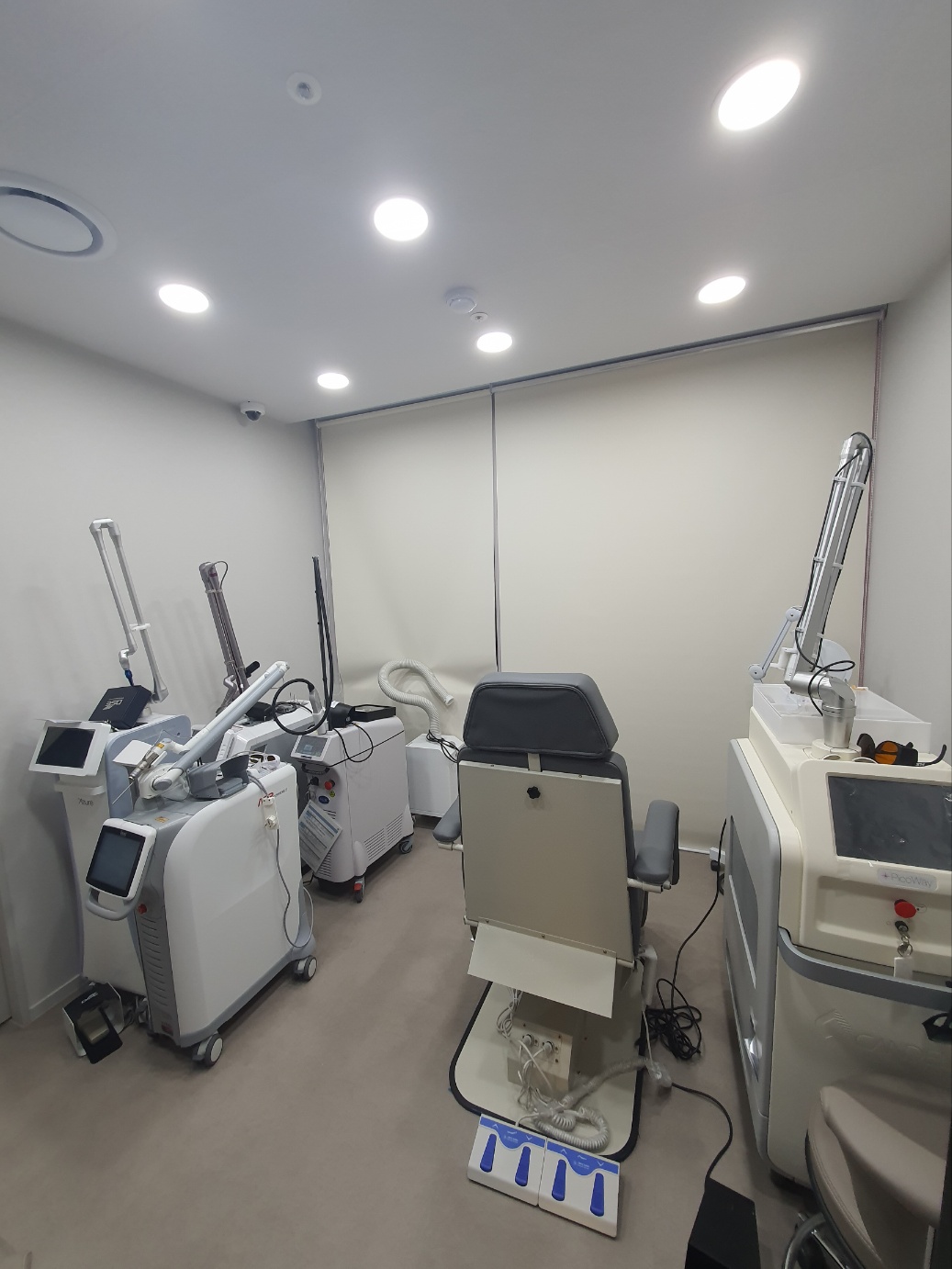
They often spread along scratch lines and shaving tracks, creating a frustrating cycle of recurrence. Because the facial skin is thin and highly visible, the priority is not just removing the growth but doing so with minimal risk of textural changes or pigment marks. Hello, I am Dr. Hyung-kwon Park, a dermatologist at LUNN. Our brand philosophy, "Refining the Details," guides us to look beyond the surface. In this 2026 guide, I will explain why flat warts require a specialized approach that focuses on skin immunity rather than just destruction, and how we achieve perfect harmony in skin recovery.
What Are Flat Warts on the Face?
Flat warts are benign epidermal growths caused by HPV infection of keratinocytes. On the face, they appear as slightly raised, skin-colored or light brown lesions. They are particularly troublesome because they rarely stay isolated; they tend to multiply rapidly whenever the skin barrier is compromised. At LUNN, we act as a "shining guide" to help patients navigate these complex viral conditions with professional care and delicate precision.
Definition and Causes of Flat Warts
Flat warts result from infection with HPV genotypes, most commonly types 3, 10, 28, and 49. These viruses enter through microscopic breaks in the skin barrier. Once inside, they prompt keratinocytes to proliferate, forming the flat-topped papules we see. Facial skin is especially vulnerable due to frequent manipulation during cleansing or shaving. I often warn my patients about the "Pseudo-Koebner" phenomenon, where the virus is literally transplanted from one spot to another by your own hands or a razor. This is why you might see warts appearing in a linear pattern. To be honest, if your local skin immunity is stressed or weakened, these warts become significantly more persistent and harder to clear without professional intervention.
How Flat Warts Differ from Other Skin Lesions
Flat warts are frequently confused with closed comedones, seborrheic keratoses, or milia. However, a trained eye—and often a dermoscope—reveals a slightly velvety or rough surface that lacks a central pore. Comedones are usually centered on a hair follicle, while seborrheic keratoses have a "stuck-on" appearance. Misdiagnosing a flat wart as acne can be disastrous; if you try to "squeeze" a wart like a pimple, you are essentially inviting the virus to spread to the surrounding tissue. Accurate identification is the first step in "Refining the Details." At LUNN, we ensure that every lesion is mapped and verified before any procedure begins, ensuring that we don't treat a benign mole as a viral infection.
Why Early Treatment Matters for Scar Prevention
Early treatment is essential because as flat warts spread, the total treatment area grows, which naturally increases the cumulative risk of pigment changes. When lesions are few, we can use very conservative, staged treatments. However, if the virus spreads across the entire cheek or forehead, the recovery process becomes more complex. I tell my patients that early evaluation prevents the common mistake of aggressive at-home picking, which often leaves a permanent scar before I even see the patient. Think of it as a small repair versus a full renovation; the smaller the initial "damage," the easier it is to restore the skin to its original, harmonious state without leaving a trace of the procedure.
Treatment Options for Flat Warts Without Scarring
At LUNN, our approach to treatment is governed by "Layered Design." We don't just aim to burn the wart off; we aim to resolve the underlying viral activity while preserving the integrity of the surrounding dermis. This requires a balance of topical agents and precision procedural work tailored to each individual's skin thickness and healing capacity.
Topical Treatments and Their Role in Scarless Resolution
Topical therapy often serves as the foundational layer for treating multiple superficial warts. Retinoids can help normalize keratinization, while specific acids applied by a clinician can peel the affected tissue in a controlled manner. I also utilize topical immunomodulators to help the skin's own defense system recognize the virus. The primary advantage here is a very low risk of textural scarring. However, to be honest, topical treatments take time—often weeks or months—and requires patience. They are best suited for patients with many small warts who want to avoid any procedural downtime. When paired with proper barrier care, this method supports a very clean, natural resolution of the lesions.
Procedural Options: Laser and the Immune Stimulation Logic
When we move to procedural options like lasers, the logic at LUNN is different from "factory-style" clinics. We don't just use the laser to destroy tissue. Instead, we view the laser as a "stimulant." By applying specific parameters, we trigger the skin's local immunity, essentially "waking up" the body so it can recognize the HPV virus as an intruder. This approach is much more effective than simply burning the surface, as it addresses the root cause. We use precision tools like the pulsed dye laser to target the area with minimal heat spread. This reduces the risk of post-inflammatory hyperpigmentation (PIH) and allows for a much smoother healing process, even on the delicate skin of the eyelids or temples.
At-Home Care and Prevention of Spread
Your habits at home are just as important as the treatment in my office. I emphasize that your shaving blade might be your worst enemy; if you shave over a wart, you are effectively "seeding" the virus further. I recommend avoiding scrubs or harsh exfoliants that create micro-tears in the skin. Additionally, daily broad-spectrum sunscreen is a mandatory requirement, not an option. This isn't just to prevent dark spots. Ultraviolet (UV) radiation is known to suppress local skin immunity. If you expose healing skin to the sun, you are essentially "turning off" the very immune response we worked so hard to stimulate. Proper at-home care ensures the results we achieve in the clinic are maintained long-term.
Comparing Treatment Methods: Efficacy and Scar Risk
Choosing the right method is about balancing the speed of clearance with the safety of the skin's texture. At LUNN, we provide a "Customized Plan" rather than a one-size-fits-all protocol, ensuring that the chosen path aligns with your specific skin type and lifestyle.
Comparison Table: Topical vs. Procedural vs. Combination Therapy
| Approach | How it works | Typical course | Scar and pigment risk | Best suited for |
|---|---|---|---|---|
| Topical therapy | Normalizes skin cells and peels lesions | Several weeks/months | Low; irritation possible | Multiple superficial lesions |
| Laser (Immune Logic) | Stimulates local immunity to fight virus | 1–3 sessions | Low to Moderate (Precision) | Discrete or resistant warts |
| Cryotherapy | Freezes tissue to destroy the wart | Multiple sessions | Moderate (Blister risk) | Small, isolated growths |
| Combination Therapy | Laser stimulation + Topical maintenance | Staged over weeks | Moderate (Depends on skin) | Recurrent or stubborn cases |
Factors Influencing Scar Formation
Scar formation is rarely about the wart itself; it is usually about the depth of the treatment and the patient's healing response. Depth control is the most critical factor. If the dermis is disrupted too deeply, textural changes are inevitable. Skin type also plays a major role; patients with darker skin tones must be treated more conservatively to avoid long-lasting hyperpigmentation. I also consider the location—the skin on the neck or temples is much thinner than on the chin. Finally, the skill of the dermatologist in adjusting the "parameters" of the equipment is what separates a mediocre result from a masterpiece. We treat every millimetre with the same level of focus to ensure a harmonious outcome.
Choosing the Right Approach for Your Skin Type
If you have fair skin, you might tolerate a wider range of procedural intensities. However, for my patients with darker or sensitive skin, I always lean toward a more conservative, staged approach. We might start with a lower laser setting to "test" the immune response before proceeding with a full treatment. It is better to have one extra session than to deal with a permanent pigment mark. To be honest, I tell my friends and patients alike: "Don't rush the process." A gradual, logical progression leads to the cleanest healing trajectory. At LUNN, we prioritize value over volume, ensuring your skin remains healthy and vibrant throughout the entire treatment cycle.
Minimizing Scarring: Best Practices and Precautions
Minimizing scarring requires a partnership between the doctor and the patient. While I handle the technical precision of the procedure, you handle the protection and nourishment of the healing tissue. This collaborative effort is what leads to the best possible aesthetic results.
Post-Treatment Skin Care to Reduce Scar Risk
After a procedure, your skin barrier is temporarily vulnerable. I recommend using gentle, fragrance-free cleansers and a bland moisturizer that supports re-epithelialization. You must resist the urge to pick at any tiny crusts that form; these act as a natural "bandage" for the new skin underneath. As mentioned, sun protection is non-negotiable to prevent UV-induced immune suppression. If you notice any unexpected redness or discomfort, you should contact us immediately rather than waiting. Early intervention for any minor complication is the best way to prevent it from becoming a permanent mark. We treat aftercare with the same level of "Detail" as the treatment itself.
When to Seek Professional Help
If you notice even a few small, flat bumps that seem to be multiplying, it is time to seek a professional evaluation. Waiting until you have dozens of lesions makes the treatment more difficult and increases the risk of spread. You should also seek help if a lesion bleeds, changes color significantly, or becomes painful. These are signs that the growth may not be a simple flat wart. At LUNN, a consultation involves a detailed mapping of your skin and a discussion of realistic expectations. We don't promise "instant miracles," but we do promise a logical, science-based path to clearer skin. Professional help is the most effective way to stop the autoinoculation cycle.
Potential Complications and How to Manage Them
No medical procedure is entirely without risk. Potential complications can include temporary redness, swelling, or crusting. In some cases, post-inflammatory hyperpigmentation or hypopigmentation may occur, especially if aftercare is neglected. Results may vary depending on the individual, and side effects can occur. Please consult with a specialist. Recurrence is also a reality of viral treatments; sometimes the virus remains dormant in the skin even after the visible wart is gone. This is why I emphasize follow-up appointments. If a wart returns, we treat it quickly before it can spread again. Managing expectations and maintaining a long-term view is key to successful viral management.
Key Takeaways
- Flat warts spread via the "Pseudo-Koebner" effect; avoiding shaving and picking is crucial to stop the spread.
- At LUNN, laser treatment is viewed as an immune stimulant to help the body recognize and fight the HPV virus.
- UV radiation suppresses local skin immunity, making daily sunscreen mandatory for both healing and viral control.
- Scarring is minimized through precise depth control, individualized planning, and disciplined aftercare.
- Recurrence is possible due to the nature of viruses, so consistent follow-up is part of a professional treatment plan.
If you are struggling with flat warts, let us help you find the right direction. At LUNN, we focus on the harmony of your skin. You can follow my skin health notes on Threads @dr.lunn for more practical advice. This guide is for informational purposes and does not replace a clinical diagnosis.
Lunn Dermatology Clinic / Dr. Hyung-kwon Park 5F, 822 Seolleung-ro, Gangnam-gu, Seoul | 02-512-7788
Frequently Asked Questions
Q. Can flat warts on the face be treated without scarring?
Yes, in many cases, scarring can be minimized if the treatment is performed with precision and the patient follows strict aftercare. At LUNN, we use lasers to stimulate immunity and staged topical treatments to clear the skin while preserving the dermal structure. Individual healing varies, so a professional assessment is necessary.
Q. Why does LUNN recommend laser for flat warts?
We don't use lasers just to burn the skin. We use them as a stimulant to wake up the skin's local immunity. This helps the body recognize the HPV virus and clear it naturally. This approach is often more effective than simple physical destruction and carries a lower risk of scarring when handled by a specialist.
Q. Why is sunscreen so important during wart treatment?
Sunscreen is vital because UV rays suppress your local skin immunity. Since we are trying to "wake up" your immune system to fight the wart virus, sun damage can counteract our efforts. It also prevents post-treatment pigment changes, ensuring the skin heals with a uniform tone.
Q. How many sessions are usually required?
This depends on the number and thickness of the warts. Some patients see significant improvement after one session, while others with more extensive spreading may require three or more sessions spaced apart. We focus on a conservative, staged approach to ensure the safest result for your skin.
Q. Will the warts come back after they are removed?
Because flat warts are viral, there is always a possibility of recurrence if the virus remains dormant in the surrounding skin. This is why we focus on immune stimulation and provide guidance on preventing autoinoculation (like avoiding shaving over affected areas) to reduce the risk of the warts returning.
Q. Is it safe to use over-the-counter wart removers on my face?
I strongly advise against using over-the-counter acids or "freezing" kits on facial skin. The face is thin and prone to scarring. Improper use can cause deep chemical burns or permanent pigment loss. Always have a dermatologist confirm the diagnosis and treat facial lesions professionally.
Q. What should I do if I notice warts spreading after shaving?
Stop shaving the affected area immediately. Shaving creates micro-tears that spread the virus. Clean your razor or switch to a new one, and seek a professional consultation at LUNN. We can provide a treatment plan to stop the spread and clear the existing lesions safely.
FAQ
- Can flat warts on the face be treated without scarring?
- In many cases, scarring can be minimized with appropriate treatment and careful aftercare. Topical therapy and gentle procedures such as pulsed dye laser or short-freeze cryotherapy are often selected for facial lesions because they allow controlled depth. Individual healing varies, and darker skin types face a higher risk of temporary pigment change, so a dermatologist should tailor the plan.
- What is the best treatment for flat warts on the face?
- There is no single best option for every patient. The choice depends on lesion number, thickness, location, skin type, and prior treatment history. Topical agents are often first-line for mild, multiple lesions, while procedures such as cryotherapy or pulsed dye laser may be considered for resistant or discrete lesions. A dermatologist can stage treatment to reduce scar risk.
- How long does it take for flat warts to disappear?
- With treatment, flat warts may clear over weeks to months, depending on the method and the number of lesions. Topical therapy tends to work gradually, while procedures may show faster visible change but often require multiple sessions. Without treatment, lesions can persist and spread, so consistent follow-up is important.
- Are there any home remedies for flat warts?
- Some people try over-the-counter salicylic acid or duct tape occlusion, but evidence is limited and facial skin is sensitive. Improper use can cause irritation or pigment change, which is counterproductive on the face. It is safer to confirm the diagnosis and discuss at-home options with a clinician before starting any remedy.
- When should I see a dermatologist for flat warts?
- You should seek evaluation if lesions are spreading, causing discomfort, or not responding to initial treatment. A wart that bleeds, changes color, or grows rapidly also warrants prompt review. Early assessment allows more conservative options and helps reduce the risk of pigment change or textural scarring.
- Can flat warts recur after treatment?
- Yes, recurrence is possible because HPV can persist in the skin after visible lesions clear. New lesions may also appear through autoinoculation if the virus spreads. Follow-up monitoring helps catch recurrence early, and maintenance care may be recommended in some cases. Individual recurrence risk varies.
- Is it safe to use over-the-counter treatments for flat warts on the face?
- Over-the-counter treatments such as salicylic acid can be effective on some body warts, but the face is thin-skinned and more prone to irritation and pigment change. Improper use may leave a mark or delay proper treatment. Consulting a dermatologist before using any at-home product on the face is advisable.