
Post
Can Fillers Really Improve Vascular Dark Circles? A 2026 Dermatologist's Guide from LUNN
Introduction
Hello, I am Dr. Hyung-Kwon Park, a board-certified dermatologist at LUNN (Lunn Dermatology Clinic) in Cheongdam and Apgujeong Rodeo. At LUNN, our philosophy is "Refining the Details. Achieving Perfect Harmony." When it comes to the delicate under-eye area, I believe that natural results—rather than over-correction—represent true skill. Vascular dark circles are often more than just visible vessels; they are complex shadows where the 1mm difference in injection depth defines the outcome. In this 2026 guide, I will explain how we use specialized fillers to address the root causes of under-eye shadows, ensuring a balanced and refreshed appearance.
At LUNN, I personally oversee every step, from the initial anatomical analysis to the final injection, to fulfill each patient's wishes with professional care.
What Are Vascular Dark Circles?
Vascular dark circles are a form of under-eye darkness that many believe is solely due to thin skin revealing blood vessels. However, at LUNN, we recognize that the primary cause is often structural. While the visibility of the bluish or purplish periorbital venous network through thin lower eyelid skin is a factor, the appearance is frequently exacerbated by the 'tear trough ligament.' This ligament pulls the skin downward, creating a structural 'valley' or shadow that mimics the look of fatigue. Understanding this anatomical 'shadow-erasing' strategy is the first step toward an effective treatment.
Defining Vascular Dark Circles and Their Causes
To treat dark circles effectively, we must look beyond the surface. The skin around the eyes is the thinnest on the body, making the underlying vasculature prone to showing through. But the 'shadow' we see is often a result of the tear trough ligament anchoring the skin to the bone. This creates a transition between the lower eyelid and the cheek that catches the light poorly, resulting in a dark appearance. Factors like genetics, poor sleep, and allergies can increase venous pooling and vasodilation, making these shadows even more prominent. Because the cause is often a combination of thin skin and structural pulling, a generic approach will not suffice. At LUNN, we emphasize a 'customized design' that accounts for your unique facial structure and aging patterns.
How to Distinguish Vascular from Pigmented or Structural Dark Circles
Distinguishing between vascular, pigmented, and structural dark circles is critical because their treatments differ fundamentally. At LUNN, I use a physical assessment to determine the dominant cause. If you pull the skin taut and the darkness remains, it may be pigmented. However, if the darkness shifts or appears to be a 'hollow' caused by the tear trough ligament, it is structural.
Key features include:
- Vascular/Structural: A blue or purple hue that often presents as a shadow or 'valley.' This is frequently caused by the ligament pulling the skin and can be significantly improved by correctly placed filler.
- Pigmented: A brownish tint usually caused by melanin or sun damage.
- Structural (Fat): Shadows caused by herniated fat or 'eye bags' that protrude above the hollows.
Most patients have a combination of these. My clinical experience shows that even if your dark circles are primarily vascular or pigment-based, improving the 'deep dermal environment' with the right filler can lead to noticeable improvement.
How Dermal Fillers Work for Vascular Dark Circles
Dermal fillers act as a 'foundation' for the under-eye area. Rather than just acting as camouflage, they provide the structural support needed to lift the skin away from the tear trough ligament and create a smoother transition. At LUNN, we don't just 'fill' a hole; we architect a solution that balances the entire face.
The Role of Hyaluronic Acid Fillers in Tear Troughs
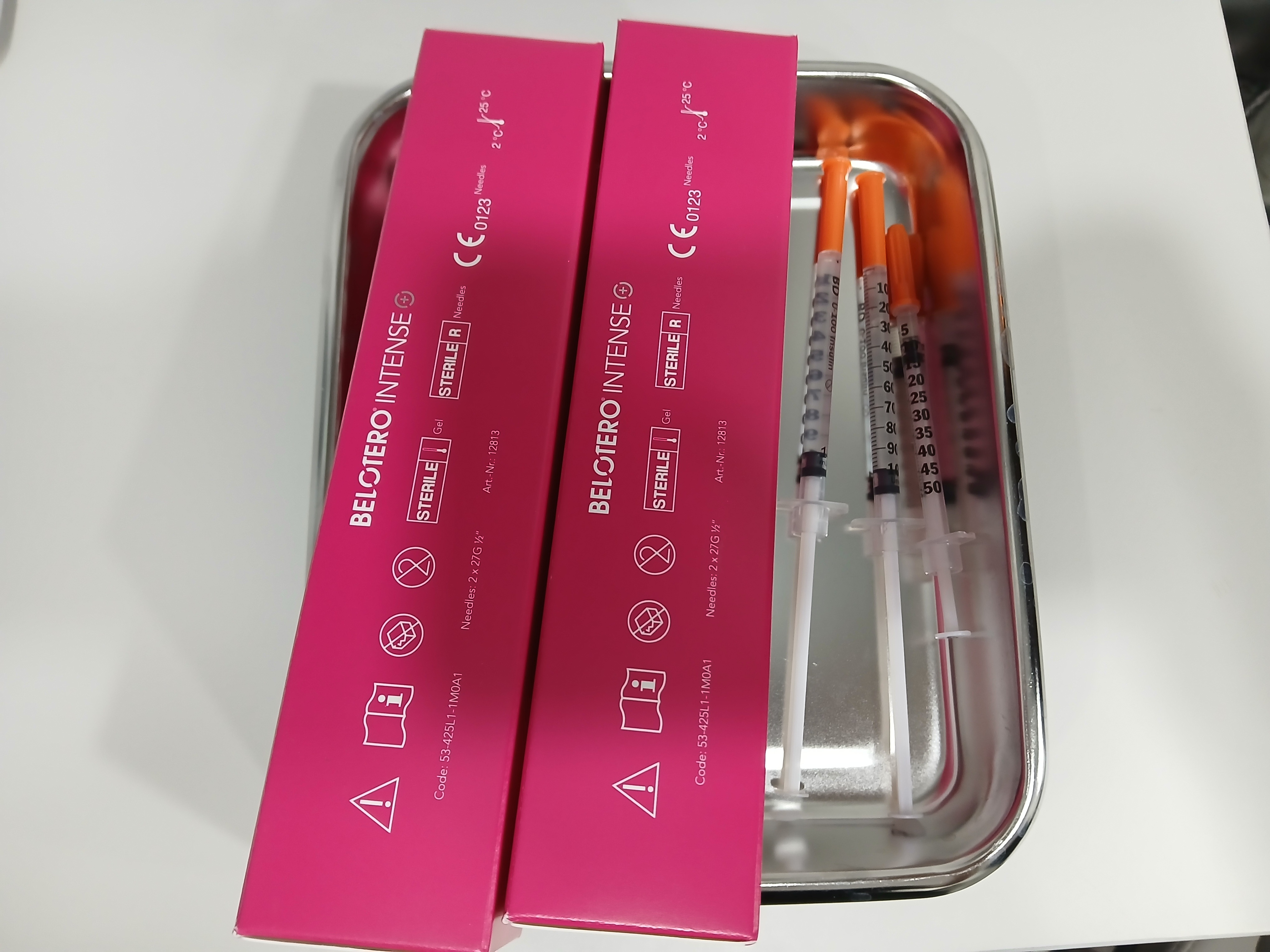
For the under-eye area, the choice of product is as important as the technique. I specifically recommend 'low-hydrophilicity' (low water-attracting) fillers, such as Belotero, for this region. Unlike standard fillers that can pull in excess water and cause the 'Tyndall effect' (a bluish swelling), low-hydrophilicity fillers provide stable volume with minimal post-procedure puffiness. This is crucial for maintaining the delicate 1mm details of the periorbital area. I tailor every treatment plan to the patient's skin thickness and muscle movement, ensuring the filler integrates seamlessly without looking like a foreign object. Please note that results may vary, and maintenance treatments are usually required to sustain the effect over time.
Mechanism: Support and Dermal Improvement
While the primary mechanism is structural support—lifting the 'valley' to erase the shadow—the benefits of fillers go deeper. By placing filler into the deep dermis, we can actually improve the dermal environment. This subtle change in tissue density can reduce the visibility of blood vessels and improve overall skin quality in the area. We avoid 'factory-style' injections, focusing instead on a conservative, staged approach. I often tell my patients that 'less is more' in the first session; we can always add more, but achieving harmony is easier when we work with the body's natural resistance and anatomy. This logical, principle-based approach ensures that we address the vascular tone while restoring the structural integrity of the lower eyelid.
Comparing Treatment Options for Dark Circles
At LUNN, we believe in 'Plan-based' marketing rather than 'Device-based' marketing. Choosing a treatment solely because it is popular often leads to disappointment. We match the technology to the patient’s diagnosis.
Fillers vs. Laser vs. Topical Treatments: A Comparison Table
| Option | Primary Target | Typical Onset | Main Limitation/Note |
|---|---|---|---|
| Low-Hydrophilicity Filler | Structural shadow & Dermal environment | Immediate to 2 weeks | Requires expert placement to avoid lumps. |
| Vascular Laser | Dilated blood vessels | Multiple sessions | Does not address the tear trough ligament. |
| Topical (Caffeine/Vit K) | Surface fluid/Mild pigment | Weeks/Months | Very limited effect on structural shadows. |
| Fat Repositioning | Herniated fat bags | Weeks (Surgery) | Higher downtime and surgical risk. |
This table illustrates why fillers are often the preferred starting point for those looking to 'erase shadows' without surgery.
Pros and Cons of Fillers for Vascular Dark Circles
When I discuss fillers with my patients, I am always honest about the limits of the procedure. Honest consultation is the foundation of trust at LUNN.
Advantages:
- Directly lifts the tear trough ligament to erase structural shadows.
- Low-hydrophilicity products minimize the risk of the Tyndall effect and swelling.
- Improves the dermal environment, which can help with vascular visibility.
- Reversible and adjustable.
Limitations:
- Temporary results (usually 6-12 months) requiring periodic maintenance.
- Possible side effects such as bruising or temporary redness.
- Not a cure for systemic issues like chronic allergies that cause venous pooling.
What to Expect: Procedure, Recovery, and Results
At LUNN, the experience is designed to be professional and calming. My clinic features 5-meter high ceilings and a spacious, organized interior to ensure you feel you are receiving the highest level of care from a dedicated specialist.
The Filler Procedure Step by Step
- Detailed Analysis: I personally examine your muscle thickness, wrinkle depth, and the tension of the tear trough ligament.
- Customized Design: We plan the injection sites to ensure balance with the rest of your face.
- Comfort Measures: Topical numbing is applied to ensure the process is as comfortable as possible.
- Precise Injection: Using a fine cannula or needle, I place the low-hydrophilicity filler in the specific tissue planes needed for support.
- Finishing: A gentle assessment of symmetry and a review of aftercare steps.
Recovery Timeline and Typical Outcomes
Recovery is typically straightforward, though individual differences exist.
- Days 1-3: Possible mild swelling or bruising. Using low-hydrophilicity fillers significantly reduces the 'puffy' look often associated with under-eye treatments.
- Week 2: The filler settles into the tissue, and the 'shadow-erasing' effect becomes most natural.
- Months 6-12: The filler gradually degrades. I recommend a follow-up to maintain the harmony of the area.
Risks, Limitations, and Candidacy
Every medical procedure has risks, and at LUNN, we disclose them transparently. Potential side effects include bruising, swelling, or, in very rare cases, vascular complications. We minimize these by using blunt cannulas and conservative volumes.
Who Is a Good Candidate?
You are a good candidate if you feel you look tired even after a full night's sleep, or if you notice a distinct 'valley' under your eyes. However, fillers may not be suitable for those with severe 'eye bags' (fat herniation) that require surgery, or those with active skin infections. During our consultation, I will honestly tell you if filler is the right choice or if another path would serve you better. We avoid the "one-size-fits-all" mentality, prioritizing the long-term health of your skin.
Key Takeaways
- Dark circles are often caused by the tear trough ligament pulling the skin, creating shadows.
- Using low-hydrophilicity fillers (like Belotero) minimizes swelling and the Tyndall effect.
- Fillers not only provide support but also improve the deep dermal environment.
- LUNN focuses on 1-on-1 specialist care, ensuring natural results through detailed planning.
- Individual results vary; a personalized diagnosis is the most important step.
Frequently Asked Questions
Q. Can fillers really improve vascular dark circles?
Yes, in many cases. By lifting the skin away from the tear trough ligament and improving the dermal environment, fillers can reduce the shadows and the visibility of underlying vessels. At LUNN, we specialize in this 'shadow-erasing' technique.
Q. How long do under-eye filler results typically last?
Typically, results last between 6 and 12 months. Because the under-eye area has less movement than the mouth, fillers can sometimes last longer, but individual metabolism varies.
Q. Will I look puffy after the procedure?
We use specialized low-hydrophilicity fillers specifically to prevent the "water-logged" or puffy look. While minor swelling can occur for 1–2 days, the goal is a natural, refreshed appearance.
Q. What if I don't like the results?
Hyaluronic acid fillers can be dissolved using an enzyme called hyaluronidase. However, by taking a conservative approach and focusing on 'Refining the Details' from the start, we aim for a result you will love.
Q. Is there anyone who should avoid this treatment?
Patients with significant lower eyelid fat protrusion or those with severe skin laxity might see better results with surgery. A professional diagnosis at LUNN will determine your best course of action.
If you have been told you look tired or want to address the shadows under your eyes, I invite you to visit us for a detailed consultation.
Lunn Dermatology Clinic / Dr. Hyung-Kwon Park
FAQ
- Can fillers really improve vascular dark circles?
- In appropriately selected cases, yes. Vascular dark circles often involve visible vessels beneath thin skin, and hyaluronic acid filler can add a supportive layer that reduces the depth of the shadow. However, fillers do not remove the vessels or pigment, and results vary with anatomy and skin thickness. A consultation at lunnclinic is essential to confirm whether filler is appropriate.
- How long do under-eye filler results typically last?
- Results generally last between 6 and 12 months, depending on the product, the amount injected, and individual metabolism. Some patients notice a gradual return toward their baseline appearance as the filler is absorbed. Maintenance can be considered, but the need and frequency should be assessed by a qualified physician.
- Is the filler procedure painful?
- Most patients report minimal discomfort. Topical numbing cream is often applied beforehand, and some fillers contain lidocaine to reduce pain. Mild stinging or pressure may be felt during injection but is usually well tolerated. Concerns should be discussed with the provider in advance.
- What are the potential side effects of under-eye fillers?
- Common effects include temporary redness, swelling, bruising, and tenderness at the injection site. Less common risks include lumps, asymmetry, infection, and vascular occlusion. Serious complications are rare but require immediate medical attention, and choosing an experienced physician plus following aftercare can reduce risk.
- Who is not a good candidate for fillers for dark circles?
- Fillers may not suit people with active skin infections, allergies to filler components, or certain bleeding disorders. Those with very thin skin or prominent under-eye bags may not achieve the desired result and may benefit from alternatives. A personalized assessment is necessary to determine candidacy.
- Are there alternatives to fillers for vascular dark circles?
- Alternatives include laser therapy, intense pulsed light, topical products containing caffeine or vitamin K, and surgical options such as blepharoplasty. The best choice depends on the underlying cause and individual goals. A dermatologist can help evaluate which approach fits best.
- How much do under-eye fillers cost?
- Costs vary by location, provider expertise, and the type and amount of filler used. In the United States, prices commonly range from about $600 to $1,500 per syringe. An accurate estimate requires consultation with a board-certified physician, and specific pricing is best discussed in person at lunnclinic.