
Post
Why Does My Skin Feel Dry After Laser Lifting? A Dermatologist's Guide to Recovery
Introduction
Hello, I am Park Hyung-kwon, a board-certified dermatologist in the Cheongdam and Apgujeong Rodeo area.
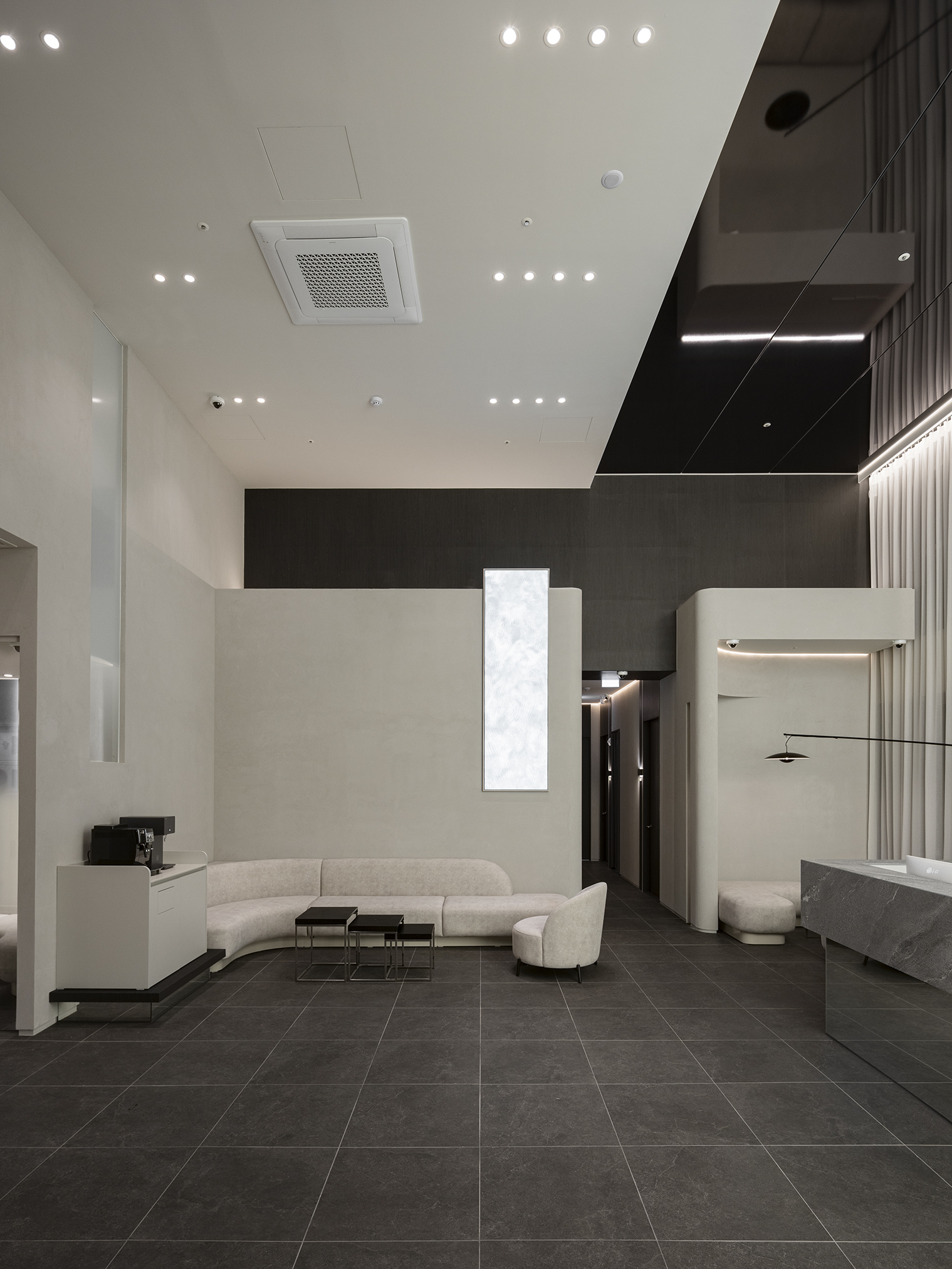
I often refer to myself as 'Small Business Owner Park Hyung-kwon' because of the deep personal care I put into every corner of my clinic, from the 5-meter-high ceilings designed for a sense of openness to the precise way we handle every patient's skin. At LUNN, which stands for Luminary, Ultimate, Novelty, and Nobility, my philosophy is "Refining the Details, Achieving Perfect Harmony."
Post-laser dryness is a temporary loss of surface moisture and barrier lipids triggered by controlled heat during laser lifting. It is a common concern I hear from my patients. My goal is to help you understand what your skin is doing in the days after treatment so your routine supports repair instead of interfering with it. At Lunn Dermatology Clinic, I take a diagnosis-first approach: I personally analyze your skin's structure and aging patterns before any procedure, ensuring the energy is adjusted to your specific barrier condition.
Why Dryness Happens After Laser Lifting
Dryness after laser lifting is a predictable physiological response, not a sign that the treatment failed. When I perform these treatments, I am delivering controlled thermal energy to the dermis. Your epidermis responds by shedding water faster while its lipid 'mortar' is temporarily disrupted.
Understanding Laser Lifting and Skin Barrier Function
I often tell my patients to think of the skin barrier as a brick-and-mortar structure. Laser lifting heats the tissue to stimulate collagen, but this heat transiently disturbs the mortar. As a result, transepidermal water loss rises, and the skin feels tight or flaky.
In my clinical practice, I’ve found that the degree of disruption depends on the energy and density used. This is why I avoid 'factory-style' treatments. One useful mental model I use to explain this is a leaky roof. The structural beams—your collagen—are being renovated, but the roof tiles—the stratum corneum—are temporarily lifted. Water escapes through the gaps until new lipids are assembled. Therefore, recovery is a moisture-retention problem first and a collagen problem second.
The Science Behind Post-Treatment Dryness
There are three mechanisms I look for when managing post-laser dryness. First, thermal stress reduces natural moisturizing factors. Second, sebum output drops briefly, removing the film that slows evaporation. Third, the low-grade inflammatory response needed for lifting actually increases blood flow and alters lipid synthesis for a few days.
Typically, tightness peaks between days one and three. Most of my patients notice meaningful improvement within one to two weeks, though I must emphasize that results and recovery times vary significantly based on individual skin types, age, and baseline hydration. It is also important to note that while rare, side effects like prolonged redness, swelling, or temporary pigment changes can occur.
Common Myths and Facts About Laser Aftercare
Myth one: Drinking more water directly hydrates the surface skin. Fact: While I encourage systemic hydration, surface moisture is governed mainly by your barrier integrity.
Myth two: Exfoliating flakes speeds recovery. Fact: This is a mistake I see often. Mechanical scrubbing during the repair window can deepen injury and prolong sensitivity.
Myth three: A 'stronger' or thicker cream is always better. Fact: Texture should match the stage of healing. Heavy occlusives can sometimes trap too much heat or cause follicular irritation in the first 48 hours. At LUNN, I provide a stage-based plan because the correct choice on day one is often different from day ten. My philosophy is that 'natural results are true skill,' and that starts with patient recovery.
Immediate Steps to Soothe Dry Skin
Immediate aftercare is about reducing evaporation. The first 72 hours are critical. I believe that gentle cleansing and consistent moisturizing do more for comfort than any single expensive miracle product.
First 24 Hours: Gentle Cleansing and Hydration
In the first 24 hours, I recommend cleansing with lukewarm water and a mild, fragrance-free cleanser using only your fingertips. Pat dry and apply a moisturizer while the skin is still slightly damp. I advise my patients to avoid hot showers, saunas, and vigorous exercise that produces heavy sweating during this window.
If you feel a heat sensation, a clean, cool compress is helpful. However, I tell my patients never to press ice directly onto the treated area. I also provide my patients with clear escalation criteria so they know exactly which symptoms—like blistering or unusual pain—require a call to the clinic rather than just more cream.
Choosing the Right Moisturizer for Post-Laser Skin
I suggest looking for three categories: humectants (like Hyaluronic Acid), barrier lipids (Ceramides), and soothing agents (Panthenol or Madecassoside).
I recommend fragrance-free and essential-oil-free products to reduce sensitization risk. In my experience, a thin layer applied twice daily usually outperforms a thick layer applied once. I always suggest my patients introduce one product at a time so we can identify any potential irritants.
What to Avoid: Ingredients and Habits That Worsen Dryness
I advise pausing retinoids, AHAs, BHAs, and high-concentration Vitamin C until your skin feels completely normal and no longer stings. These actives increase turnover or lower pH, which a disrupted barrier tolerates poorly.
Sun exposure is another major factor. Freshly treated skin is more vulnerable to pigmentation. I consider broad-spectrum sunscreen a necessity, not an option. If standard sunscreens sting, I often suggest a mineral formulation during the early phase of healing.
Long-Term Skin Barrier Repair Strategies
Long-term repair is about rebuilding resilience. I believe that consistent, gentle care raises the baseline for your skin, making future treatments even more effective.
Building a Barrier-Friendly Skincare Routine
A simple routine is best. In the morning: gentle cleanser, humectant serum, moisturizer, and sunscreen. In the evening: gentle cleanser and a barrier balm. I usually recommend reintroducing actives gradually, starting two to four weeks after the treatment, depending on how your skin behaves.
The Role of Lifestyle Factors in Skin Recovery
Sleep and nutrition modulate how quickly your skin settles. I also find environmental control to be underrated. If you live in a dry environment, using a humidifier in your bedroom during the first week can noticeably improve comfort.
When to See Your Dermatologist
While post-laser dryness is usually self-limiting, you should contact my clinic if you experience persistent redness beyond two weeks, increasing pain, or any signs of infection. At LUNN, I personally handle the consultation and the procedure to ensure consistency in your care and to address these concerns immediately.
Comparing Treatment Options for Dryness Relief
I believe in matching the intervention to the stage of healing. No single option is appropriate for everyone.
| Option | Typical Role | Considerations |
|---|---|---|
| Humectant Moisturizer | Daily moisture retention | Needs consistent use; results vary |
| Occlusive Balm | Sealing dry patches | Can feel heavy for oily skin types |
| Cool Compress | Immediate symptom relief | Short-lived; does not repair barrier |
| Clinical Barrier Program | Structured recovery support | Requires an in-person visit |
| Gentle Hydration Infusion | Superficial hydration | May require multiple sessions |
Key Takeaways
- Post-laser dryness is a sign of temporary barrier disruption, not treatment failure.
- Symptoms typically peak within 3–7 days and improve with supportive care.
- Use fragrance-free humectants and ceramides; avoid actives like retinol during the first week.
- Sun protection is mandatory to prevent pigmentation changes.
- If you experience unusual pain or blistering, contact your clinician immediately.
Frequently Asked Questions
Q. What causes skin dryness after laser lifting?
I explain to my patients that laser lifting creates controlled thermal micro-injury to stimulate collagen. This process temporarily disrupts the lipid barrier, allowing water to escape faster. It is a predictable part of the skin's response.
Q. How long does post-laser dryness usually last?
In my experience, dryness peaks within the first week and settles within two weeks. However, this varies; patients with sensitive skin or conditions like eczema may require a longer recovery period.
Q. Which moisturizers suit dry skin after laser lifting?
I recommend fragrance-free formulas containing ceramides, glycerin, or hyaluronic acid. I always suggest avoiding alcohol-based toners or harsh exfoliants during the initial healing phase.
Q. Can I wear makeup if my skin is dry after treatment?
I advise waiting at least 24 hours. If your skin is still stinging or very red, it is better to wait longer. When you do resume, use mineral-based products and remove them very gently.
Q. Are there lifting options that cause less dryness?
Yes, options like ultrasound-based or radiofrequency-based treatments often involve less epidermal disruption than certain fractional lasers. During our consultation at LUNN, I analyze your skin to choose the modality that fits your sensitivity levels. You can read more in my Ultherapy and Thermage combination guide.
If you are experiencing persistent dryness or want a personalized treatment plan that prioritizes your skin's health and harmony, I am here to help. At LUNN, I personally manage everything from the initial analysis to the final touch. For quick updates, you can also find me on Threads @dr.lunn.
Lunn Dermatology Clinic / Director Park Hyung-kwon
FAQ
- What causes skin dryness after laser lifting?
- Laser lifting creates controlled thermal micro-injury to stimulate collagen remodeling, and the epidermis temporarily loses part of its lipid barrier. Water escapes faster and surface oils decrease, producing tightness and flaking. This is an expected part of the response rather than a complication, though intensity varies by energy settings and baseline skin condition.
- How long does post-laser dryness usually last?
- Dryness typically peaks within the first three to seven days and improves gradually as barrier lipids are rebuilt. Many patients feel substantially more comfortable within two weeks when aftercare is consistent. Duration depends on treatment intensity, skin type, and adherence, and some patients with sensitive or eczema-prone skin take longer.
- Which moisturizers suit dry skin after laser lifting?
- Fragrance-free, hypoallergenic formulas containing ceramides, glycerin, or hyaluronic acid are a reasonable starting point. Barrier lipids support repair while humectants bind water. Avoid alcohol-based toners, exfoliating acids, and retinoids until the surface feels normal. A clinician can match products to your specific barrier state and history.
- Can I wear makeup if my skin is dry after treatment?
- It is generally advisable to wait at least 24 hours, and longer if redness or stinging persists. Once the skin feels comfortable, mineral-based, non-comedogenic products are often better tolerated. Remove makeup gently with a mild cleanser and avoid scrubbing, which can aggravate a recovering barrier.
- Should I change my diet or fluid intake to reduce dryness?
- Evidence linking specific foods to post-laser dryness is limited. Maintaining adequate fluid intake and limiting alcohol during the recovery window is sensible. A balanced diet supports tissue repair generally. Dietary changes are supportive measures, not substitutes for topical barrier care.
- When should I contact my doctor about dryness?
- Contact the treating clinic if dryness comes with severe or spreading redness, increasing pain, blistering, or signs of infection such as pus. Also seek advice if symptoms do not improve after two weeks or worsen after initial improvement. These patterns may indicate irritation or another issue that needs assessment.
- Are there lifting options that cause less dryness?
- Ultrasound-based and radiofrequency-based lifting generally involve less epidermal disruption than fractional laser, so surface dryness may be less pronounced. Each modality has its own risk profile and suitability criteria. A dermatologist can help select an approach based on your skin structure, sensitivity, and goals.
- Can I prepare my skin before laser lifting to reduce dryness?
- Pre-treatment preparation can help. In the weeks before a session, strengthen the barrier with gentle cleansing and consistent moisturizing, and pause harsh exfoliants and retinoids for a few days beforehand. Your clinician may give specific pre-care instructions based on the planned settings and your skin history.