
Post
Understanding the Difference Between SMAS and Dermis Lifting for Facial Rejuvenation
Hello, I am Dr. Park Hyeong-kwon, a board-certified dermatologist in Cheongdam and Apgujeong Rodeo. In my clinical experience, the choice between different anti-aging treatments depends fundamentally on understanding the difference between SMAS and dermis lifting techniques.
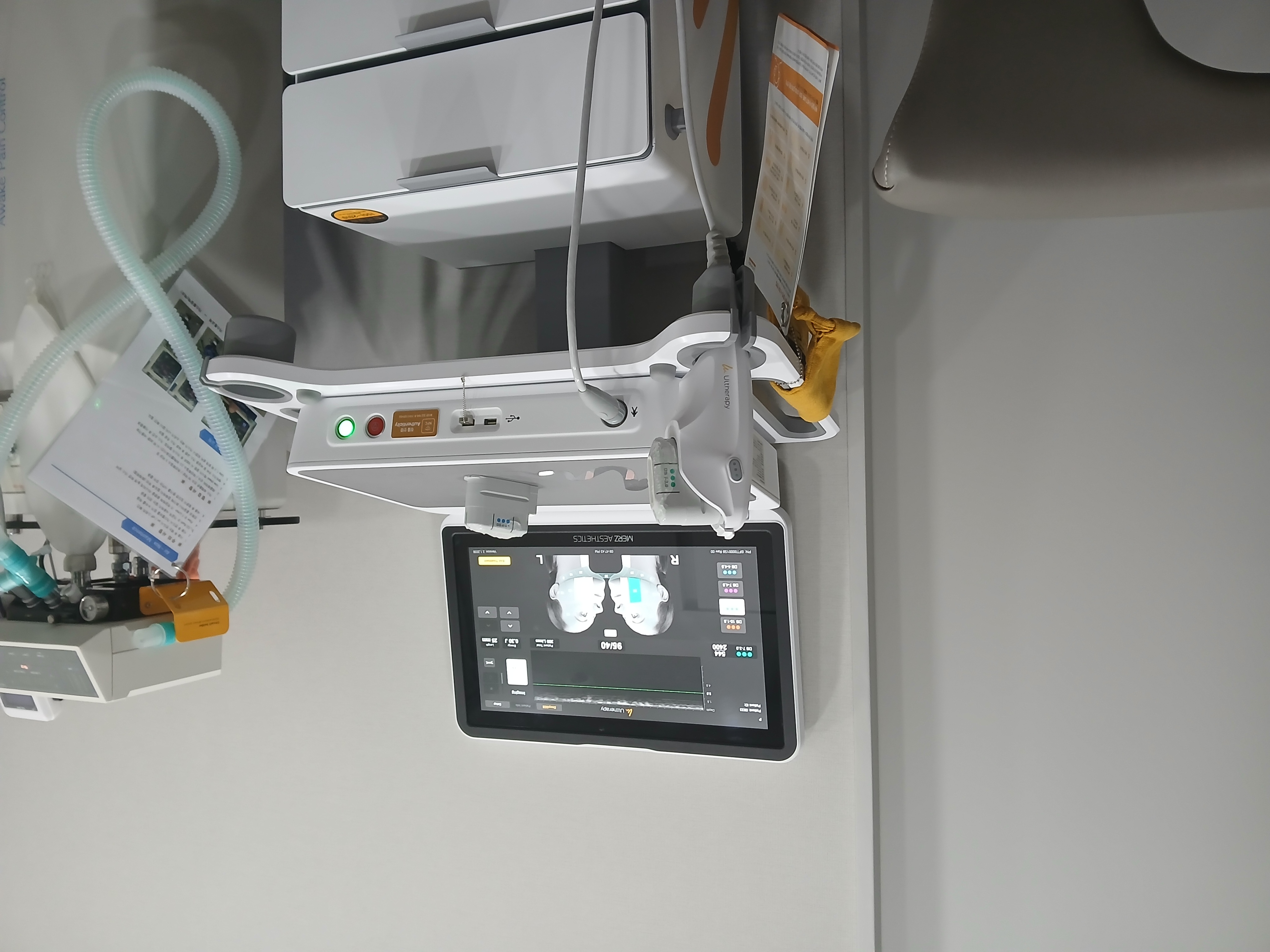
Facial aging occurs across multiple anatomical levels, meaning that targeting the correct layer is essential for achieving balanced and natural-looking rejuvenation. This clinical overview explains how these separate structural planes respond to specialized energy-based treatments to help you make an informed decision for your aesthetic care.
1. Understanding Skin Architecture: Defining SMAS and Dermis Lifting
Skin architecture consists of distinct anatomical layers, primarily the superficial dermis and the deeper superficial muscular aponeurotic system, each responding differently to energy-based lifting modalities.
What Is the Dermis and How Does Dermis Lifting Work
The dermis represents the superficial structural layer of the skin located directly beneath the epidermis, primarily composed of dense extracellular matrix proteins like collagen and elastin. Dermis lifting targets this specific zone, typically utilizing radiofrequency energy or superficial ultrasound frequencies to induce controlled thermal micro-zones. This thermal stimulation initiates a natural wound healing response, which subsequently promotes neocollagenesis and remodeling over a period of several weeks. By focusing on depths ranging from 1.5mm to 3.0mm, this therapeutic approach directly enhances superficial tissue density and counteracts early signs of environmental aging. Patients frequently choose this methodology to refine surface texture, minimize early laxity, and restore a youthful suppleness to the cutaneous envelope. However, because it addresses only the upper layers, its capacity to reposition heavier, displaced facial fat pads remains limited, making a precise clinical consultation with me essential for managing long-term individual expectations at LUNN.
What Is the SMAS Layer and Its Role in Facial Structural Integrity
The superficial muscular aponeurotic system, commonly abbreviated as SMAS, is a deep, continuous fibromuscular network that connects the facial muscles to the overlying dermis and subcutaneous fat. It serves as the foundational scaffolding for the midface and lower facial regions, bearing the primary mechanical burden of structural support against gravitational pull. Over time, structural degradation within this critical layer leads to profound clinical presentations, including pronounced jowls, sagging jawlines, and deepened nasolabial folds. Traditional surgical facelifts have historically relied on tightening this specific anatomy to achieve comprehensive facial rejuvenation. In modern aesthetic medicine, advanced non-invasive technologies allow clinicians to target this layer directly at a depth of 4.5mm using micro-focused energy. By tightening this deep foundational matrix, structural interventions help lift sagging tissues from within, providing structural integrity that superficial treatments cannot achieve alone. This comprehensive structural approach forms a central component of my advanced clinical anti-aging programs at LUNN.
2. Key Differences Between SMAS and Dermis Lifting
The fundamental distinction between these two therapeutic approaches resides in their anatomical targets, mechanical properties, and the specific physiological mechanisms utilized to restore facial volume and tension.
Target Depths and Anatomical Layers Compared
Understanding precise target depths is critical when examining the difference between SMAS and dermis lifting procedures. Dermis lifting typically confines its therapeutic thermal energy to the upper skin layers, operating between depths of 1.5mm and 3.0mm to address the reticular and papillary dermis. In contrast, SMAS interventions must bypass these superficial fields entirely, focusing energy much deeper at 4.5mm where the muscular aponeurotic architecture resides. This significant difference in anatomical depth means that each modality addresses completely distinct components of facial aging. Superficial energy delivery stimulates the immediate cellular matrix responsible for skin elasticity, while deep energy targets the structural suspension system responsible for facial positioning. At LUNN, my precise visualization of these layers allows for tailored delivery based on individual tissue characteristics. Consequently, evaluating tissue thickness remains a fundamental requirement before determining the appropriate treatment protocol for any individual patient profile.
Treatment Mechanisms and Energy Modalities Used
The specific energy modalities employed during these treatments determine how structural remodeling occurs within the tissue layers. Dermis lifting frequently utilizes monopolar or bipolar radiofrequency energy, which generates volumetric heating across the upper tissues to contract existing collagen fibers and stimulate new matrix production. Alternatively, targeting the deep SMAS layer requires High-Intensity Focused Ultrasound, known as HIFU, which emits acoustic waves that converge at a specific deep focal point. This precise convergence creates micro-thermal coagulation zones without disrupting the overlying epidermal or dermal layers during the process. The physiological response to ultrasound involves localized contraction of the fibromuscular tissue, leading to a tightening effect of the deep supportive framework. Both methodologies rely on different energetic behaviors to achieve specialized clinical objectives within separate anatomical planes. Clinicians often analyze these distinct mechanical properties when formulating multi-layer rejuvenation programs designed to address comprehensive facial aging signs.
Expected Outcomes and Comparative Structural Support
Clinical outcomes differ significantly based on whether the therapeutic focus is placed on superficial cutaneous density or deep foundational suspension. Dermis lifting primarily addresses surface characteristics, helping to soften fine lines, reduce pore visibility, and enhance overall skin radiance through matrix renewal. Conversely, SMAS lifting focuses entirely on structural repositioning, addressing gravitational changes such as jawline laxity and midface volume descent. While dermal treatments improve the qualitative texture of the skin envelope, deep structural treatments help restore the underlying facial silhouette. These complementary effects demonstrate why one technique cannot fully replace the clinical utility of the other. The duration and visible expression of these outcomes remain subject to individual aging rates, tissue profiles, and lifestyle factors, which I carefully monitor at LUNN. In my professional dermatological practice, understanding these distinct clinical dimensions ensures that my therapeutic recommendations align closely with the specific anatomic needs of each individual patient profile.
| Attribute | Dermis Lifting | SMAS Lifting |
|---|---|---|
| Primary Anatomical Target | Papillary and reticular dermis | Superficial muscular aponeurotic system |
| Target Depth Range | 1.5mm to 3.0mm | 4.5mm |
| Common Energy Source | Radiofrequency (RF) / Superficial Ultrasound | High-Intensity Focused Ultrasound (HIFU) |
| Primary Aesthetic Focus | Fine wrinkles, pore size, skin texture | Jowls, jawline laxity, structural sagging |
| Tissue Response | Volumetric heating and collagen synthesis | Micro-thermal coagulation and tissue contraction |
| Downtime & Recovery | Minimal transient redness | Mild swelling, temporary deeper tenderness |
3. Choosing the Right Approach for Your Specific Facial Profile
Selecting an appropriate non-surgical intervention requires a thorough evaluation of individual soft-tissue composition, the precise degree of structural laxity, and specific aesthetic objectives.
When Dermis Lifting Provides Optimal Results for Fine Wrinkles
Dermis lifting represents an excellent therapeutic option for individuals demonstrating early signs of skin aging characterized primarily by superficial structural changes. When a patient exhibits fine periorbital lines, superficial forehead creases, or a general loss of cutaneous elasticity without significant fat pad displacement, targeting the upper skin layers can yield highly satisfactory clinical outcomes. This approach focuses on rebuilding the degraded extracellular matrix by stimulating fibroblasts within the 1.5mm to 3.0mm depth zone. It is particularly well-suited for younger patient demographics or those wishing to maintain skin density as a preventative measure against premature aging. By improving dermal thickness and elasticity, this intervention creates a smoother surface appearance and enhances natural skin resilience. A comprehensive evaluation of skin texture helps determine whether a dermal-focused strategy is sufficient or if a more advanced, multi-layer approach combining deep structural modalities is appropriate for achieving your goals. A Specialist's 2026 Guide to Customized Multilayer Laser Lifting: Balancing Depth and Harmony can help clarify these layered approaches.
When SMAS Lifting Is Required to Address Deep Structural Sagging
Deep structural sagging requires therapeutic interventions that reach beyond the superficial cutaneous layers to address the underlying foundational suspension system. When clinical presentations include visible jowl formation, a softened mandibular contour, or significant descent of the malar fat pads, SMAS lifting becomes necessary. By delivering high-intensity focused ultrasound energy precisely to the 4.5mm fascial plane, this procedure induces targeted thermal coagulation that results in the mechanical tightening of the deep support architecture. This deep-tissue contraction helps lift displaced structures back toward their original anatomical positions, offering visible improvement for moderate to advanced gravitational changes. For patients experiencing true structural laxity rather than simple superficial thinning, focusing solely on the dermis may yield incomplete results. Combining or choosing these modalities appropriately requires careful analysis by an experienced clinician. To explore comprehensive treatment variations, reviewing A Dermatologist's Guide to Ulthera and Thermage Combination Benefits: Achieving Structural Harmony at LUNN can offer valuable insight into layered facial rejuvenation.
4. Safety Protocols, Potential Side Effects, and Clinical Expectations at Lunn Dermatology Clinic
Clinical safety protocols encompass pre-treatment diagnostic assessments, the management of anticipated transient tissue responses, and structured post-procedure care designed to support healthy tissue recovery.
Managing Temporary Redness and Mild Swelling Post Treatment
Following energy-based lifting procedures, patients can typically expect mild and transient tissue responses as a natural consequence of therapeutic thermal stimulation. Mild erythema, localized swelling, and slight tenderness within the treated areas represent standard physiological reactions that generally resolve within a few days post-treatment. These expected responses indicate that the delivered energy has successfully targeted the intended depths to initiate the desired cellular remodeling process. To support optimal recovery, patients are advised to follow specific post-procedure protocols, such as avoiding extreme thermal exposure and maintaining adequate skin hydration. While these non-surgical interventions do not involve prolonged downtime, individual healing rates can vary based on skin sensitivity and treatment intensity. Managing these temporary symptoms carefully helps ensure an uninterrupted return to daily activities while supporting the long-term structural benefits of the procedure. Detailed guidance regarding individual post-care management is consistently provided during clinical sessions to ensure patient comfort.
The Importance of a Customized Assessment by a Dermatologist
Achieving balanced and harmonious aesthetic outcomes depends fundamentally on an accurate clinical diagnosis performed by a qualified medical professional. Because every individual presents a unique combination of skin thickness, fat distribution, and structural laxity, standard treatment configurations are rarely effective. A comprehensive dermatological examination allows for the precise measurement of tissue characteristics, ensuring that specific energy modalities are applied at the correct anatomical depths. This individualized methodology prevents unnecessary tissue stress while maximizing the efficiency of structural remodeling across both the dermis and SMAS layers. At LUNN, I personally customize every treatment plan to respect the natural proportions of your facial structure. This dedication to personalized care ensures that each clinical intervention supports structural integrity safely and predictably. Patients are encouraged to consult with a specialist to determine the most appropriate approach for their profile. For further information on non-surgical contouring, consider reading A Specialist's 2026 Guide to Non-Surgical Facial Contouring Filler: Achieving Structural Harmony at LUNN.
Key Takeaways
- Dermis lifting operates at superficial depths of 1.5mm to 3.0mm to improve skin texture, density, and fine lines.
- SMAS lifting targets the deep 4.5mm fibromuscular scaffolding to address gravitational structural sagging and jowls.
- Dermis lifting frequently utilizes radiofrequency energy, whereas SMAS lifting requires high-intensity focused ultrasound (HIFU).
- Temporary side effects can include mild redness and localized swelling that typically resolve within a few days.
- A customized professional evaluation is essential to select the target depths appropriate for your unique facial anatomy.
For more insights, you can follow updates on Threads @dr.lunn. To discuss your unique facial profile, please contact Lunn Dermatology Clinic to schedule a personalized consultation.
Lunn Dermatology Clinic / Dr. Park Hyeong-kwon
Frequently Asked Questions
Q. What is the primary difference between SMAS and dermis lifting?
Dermis lifting focuses on the upper layers of the skin to improve surface elasticity and fine lines, whereas SMAS lifting targets the deeper muscular aponeurotic system to address structural sagging. The two approaches utilize different energy depths to achieve distinct clinical goals based on individual tissue needs.
Q. Which non-invasive technologies can target the deep SMAS layer?
High-Intensity Focused Ultrasound, commonly known as HIFU, is utilized to deliver precise thermal energy to the deep SMAS layer at a depth of 4.5mm. This specialized modality allows clinicians to contract the underlying structural scaffolding without making any surgical incisions.
Q. What temporary side effects should be expected after a lifting procedure?
Patients may experience transient redness, minor localized swelling, or mild tenderness in the treated area, which typically resolve within a few days. These standard physiological responses indicate that the thermal energy has successfully reached the target tissue layers to begin remodeling.
Q. Can dermis and SMAS lifting techniques be combined safely?
Combining these methods can address multiple skin layers simultaneously, allowing for comprehensive improvements in both surface texture and deep structural lifting. However, a personalized evaluation with me at LUNN is required to ensure suitability and determine the safest combined treatment configuration for your skin.
Q. How long do the structural improvements from a deep lifting session last?
The maintenance of results depends heavily on individual aging processes, soft-tissue quality, and post-procedure lifestyle factors, meaning outcomes vary among individuals. Regular maintenance sessions and structured skincare programs can help support the long-term longevity of the structural improvements.
Q. Is there any recovery time required for superficial dermis lifting?
Superficial energy treatments usually involve minimal disruption to daily activities, allowing patients to resume normal routines shortly after the session. Proper post-procedure care, including consistent sun protection and hydration, is recommended to support tissue recovery.
Q. How do I know which lifting depth is appropriate for my face?
An accurate determination depends on a professional examination of your skin laxity, tissue thickness, and overall facial structure during a clinical consultation. A board-certified dermatologist will assess these individual parameters to design a plan tailored specifically to your needs.
FAQ
- What is the primary difference between SMAS and dermis lifting?
- Dermis lifting focuses on the upper layers of the skin to improve surface elasticity and fine lines, whereas SMAS lifting targets the deeper muscular aponeurotic system to address structural sagging. The two approaches utilize different energy depths to achieve distinct clinical goals based on individual tissue needs.
- Which non-invasive technologies can target the deep SMAS layer?
- High-Intensity Focused Ultrasound, commonly known as HIFU, is utilized to deliver precise thermal energy to the deep SMAS layer at a depth of 4.5mm. This specialized modality allows clinicians to contract the underlying structural scaffolding without making any surgical incisions.
- What temporary side effects should be expected after a lifting procedure?
- Patients may experience transient redness, minor localized swelling, or mild tenderness in the treated area, which typically resolve within 2 to 4 days. These standard physiological responses indicate that the thermal energy has successfully reached the target tissue layers to begin remodeling.
- Can dermis and SMAS lifting techniques be combined safely?
- Combining these methods can address multiple skin layers simultaneously, allowing for comprehensive improvements in both surface texture and deep structural lifting. However, a personalized evaluation at lunnclinic is required to ensure suitability and determine the safest combined treatment configuration for your skin.
- How long do the structural improvements from a deep lifting session last?
- The maintenance of results depends heavily on individual aging processes, soft-tissue quality, and post-procedure lifestyle factors, meaning outcomes vary among individuals. Regular maintenance sessions and structured skincare programs can help support the long-term longevity of the structural improvements.
- Is there any recovery time required for superficial dermis lifting?
- Superficial energy treatments usually involve minimal disruption to daily activities, allowing patients to resume normal routines shortly after the session. Proper post-procedure care, including consistent sun protection and hydration, is recommended to support tissue recovery.
- How do I know which lifting depth is appropriate for my face?
- An accurate determination depends on a professional examination of your skin laxity, tissue thickness, and overall facial structure during a clinical consultation. A board-certified dermatologist will assess these individual parameters to design a plan tailored specifically to your needs.