
Post
A Dermatologist's Guide to Laser and Skin Rejuvenation Programs: Achieving Dermal Harmony at LUNN
Hello, I am Dr. Park Hyungkwon, a board-certified dermatologist. Welcome to LUNN, where we approach skincare through a philosophy of meticulous structural harmony and balancing the finer details. Today, let us explore the science, methodology, and realistic expectations surrounding professional laser and skin booster treatments to help you understand how personalized synergy programs can support your skin's health.
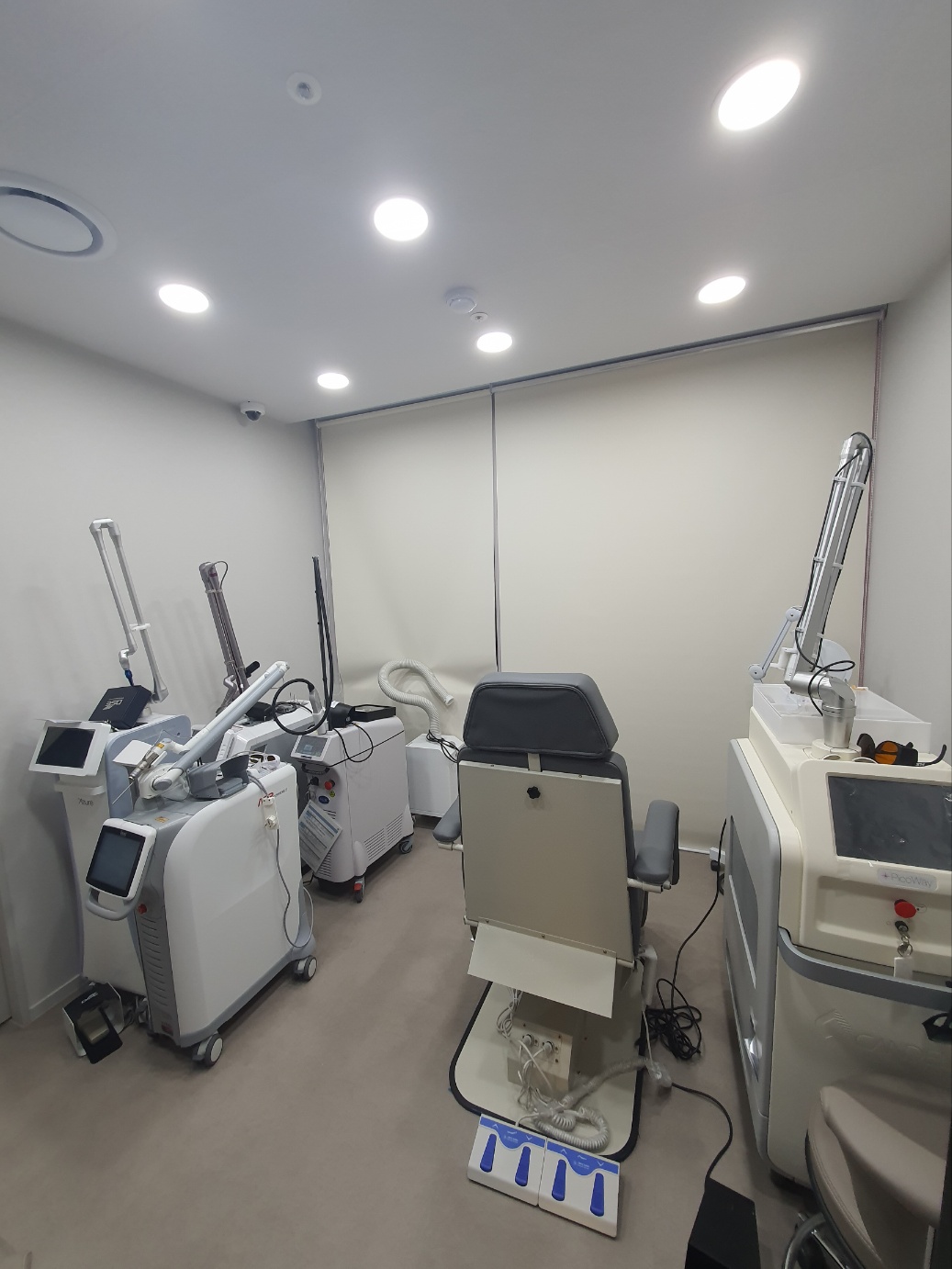
Understanding the Core Philosophy of Tailored Dermal Programs
True dermal refinement goes beyond generic, one-size-fits-all treatments. It demands an understanding of how distinct tissue layers interact with specific therapeutic modalities. Our approach focuses on analyzing the entire structural composition of the face rather than looking at an isolated concern. We believe that achieving a natural, balanced outcome reflects true expertise, avoiding over-treatment while respecting each individual's anatomical harmony.
The Science and Definition of Synergy Treatments
In aesthetic dermatology, advanced protocols often combine energy-based devices with specialized skin booster solutions to optimize tissue response. For example, applying a targeted topical solution can be compared to watering parched soil; it primes the skin matrix, enhancing the environment before or after energy delivery. Rather than relying on rigid protocols, the focus is placed on assessing individual real-time physiological indicators. At LUNN, this comprehensive baseline evaluation allows us to map out areas experiencing structural changes or localized volume loss, ensuring every step of the regimen aligns perfectly with the patient's unique tissue architecture.
How Tailored Programs Synergistically Target Layer-by-Layer Skin Concerns
Achieving meaningful dermal rejuvenation requires addressing the specific layers of the tissue according to their physiological roles. For instance, advanced micro-focused ultrasound modalities are designed to target the deep fibromuscular layers, such as the superficial muscular aponeurotic system (SMAS), providing a foundational lifting effect. In contrast, monopolar radiofrequency systems deliver uniform thermal energy to the collagen-rich dermis to encourage natural extracellular matrix synthesis and improve overall skin density. For individuals exploring broader options, reviewing A Specialist's 2026 Guide to Skin Booster for Pore Reduction: Achieving Perfect Harmony at LUNN may provide additional diagnostic context.
When these energy modalities are paired with a skin booster program, they create a synchronized response across both the epidermis and dermis. This layered framework assists in smoothing fine lines, stabilizing the delicate skin barrier, and refining visible pore architecture. Rather than treating these issues as isolated symptoms, the approach addresses the interconnected ecosystem of the tissue from its deepest foundations up to the visible surface.
Comparing Specialized Synergy Protocols and Standard Approaches
Comparing specialized synergy protocols and standard single-modality approaches reveals the distinction between comprehensive clinical planning and general, uncoordinated treatments.
| Metric / Characteristic | Specialized Synergy Protocols | Standard Single-Modality Approaches |
|---|---|---|
| Treatment Depth | Addresses multiple layers (SMAS, dermis, epidermis) | Typically focuses on one isolated tissue layer |
| Targeting Precision | Tailored to real-time structural needs and balance | Addresses broad, general skin concerns |
| Modality Combination | Combines energy devices with skin booster priming | Relies solely on a single machine or application |
| Adaptability | Can modify parameters based on tissue feedback | Uses the same fixed settings for every application |
Why a One-Size-Fits-All Approach May Limit Individual Clinical Results
Standard manufactured protocols feature rigid guidelines designed for general applications. These pre-set options may ignore the subtle differences in an individual's skin condition, as one patient may require deeper structural support while another needs superficial hydration and barrier repair. When utilizing an integrated approach instead, practitioners can actively adjust the energy parameters and sequence based on real-time physiological indicators. We recognize that patient skin boundaries change due to seasonal transitions, lifestyle variables, and intrinsic chronological developments. Administering a uniform treatment across diverse profiles ignores these crucial variations, occasionally over-saturating or under-treating specific layers. By designing a flexible plan, dermatologists can avoid redundancies and minimize potential sensitivities. This deliberate customization remains essential for patients seeking specialized care that genuinely respects their unique epidermal and dermal architecture over time.
The Meticulous Design and Treatment Process at LUNN
The meticulous design and treatment process at LUNN refers to a highly calculated clinical workflow encompassing advanced skin analysis, precise modality selection, and targeted delivery to address underlying structural layers under the supervision of a dedicated practitioner.
Dermatological Assessment of Cellular Architecture and Structural Needs
The initial phase of formulating a comprehensive rejuvenation program begins with a comprehensive, analytical examination of the individual's skin structure. This critical evaluation goes beyond superficial observation, assessing parameters like hydration thresholds, muscle thickness, wrinkle depth, and structural elasticity across different zones. We meticulously analyze these factors to determine the current state of the extracellular matrix and epidermal barrier health. This diagnostic approach allows us to map out areas experiencing structural changes. By assessing the unique rhythm of the patient's skin, we can identify exactly which therapeutic pathways are required. This specialized assessment provides a clear, evidence-based roadmap that informs the subsequent selection of treatment modalities. Taking the time to understand these microscopic nuances helps guarantee that the final clinical approach remains highly personalized, targeted, and appropriate for the patient's individual anatomical profile.
Determining Modality Synergy and Precise Application Depth
Once the patient's individual needs are quantified, the focus shifts to executing the integrated plan with exact precision. A synergy program achieves its objective only when energy and nutrients are delivered precisely where cellular processing takes place. For energy-based devices, this requires selecting correct pulse durations and thermal profiles to safely target the appropriate depths. During the procedure, the practitioner monitors tissue feedback continuously to adjust angles and settings as needed for safety. This physical precision is combined with rigorous modality synergy, making sure components do not cancel each other out biochemically or thermally. This careful step-by-step methodology assists in optimal treatment delivery, minimizing product wastage while actively supporting the skin's inherent restorative capabilities. Furthermore, conducting an expert structural analysis before any application is essential to ensure that the surrounding tissue is well-suited for the selected energy levels.
Establishing Personal Treatment Intervals and Rejuvenation Cycles
Sustaining the benefits of an advanced aesthetic program involves understanding the natural lifecycle of dermal cell turnover and tissue remodeling. Dermal components degrade over time due to natural metabolism and continuous exposure to environmental stressors. To counteract this progression, a structured series of sessions is typically planned rather than relying on a single, isolated session. Based on general clinical observations, a primary regimen frequently consists of multiple distinct sessions spaced several weeks apart, allowing the previous tissue layers to stabilize and heal before introducing additional stimulation. Subsequent maintenance sessions are scheduled dynamically, depending on how long the individual retains moisture, tone, and elasticity metrics. This adaptive pacing helps avoid over-treating the tissue while maintaining a steady baseline of health, allowing the cumulative benefits to be sustained over an extended period. Consequently, this carefully adjusted interval approach addresses structural vulnerabilities proactively before visible depletion reoccurs. To formulate an appropriate longitudinal plan, scheduling A Specialist's 2026 Guide to Aesthetic Dermatology Consultation in Seoul: Precision Care at LUNN is a highly recommended initial step.
Clinical Considerations, Potential Side Effects, and Realistic Expectations
Clinical considerations, potential side effects, and realistic expectations represent the essential medical safeguards and patient educational pillars necessary to ensure a safe recovery while understanding individual physiological variations in treatment longevity.
Recognizing Normal Post-Treatment Responses and Maintenance Guidelines
Undergoing energy-based treatments or skin booster protocols involves stimulating the skin barrier, which naturally evokes a mild, temporary inflammatory response. It is entirely common to observe localized redness, mild swelling, and temporary sensitivity at the treatment sites immediately following the procedure. These physiological reactions represent normal healing mechanisms as the tissue processes the stimulation. These minor signs usually subside within a few days, depending heavily on the individual's baseline skin sensitivity and vascular reactivity. To help support optimal healing and reduce the risk of irritation, patients should avoid intense physical exercise, saunas, and prolonged sun exposure during the initial recovery window. Keeping the skin hydrated with a basic, non-irritating moisturizer and applying broad-spectrum sun protection is essential. Recognizing these expected changes prevents unnecessary anxiety, allowing the skin to recover smoothly and safely. Additionally, patients should avoid applying harsh chemical exfoliants or retinoids for at least 5 days post-treatment.
Understanding Individual Variations in Longevity and the Necessity of Maintenance
The durability of any aesthetic program is fundamentally variable, because it relies on the individual metabolic rate of the recipient's dermal tissue. The visible enhancement of hydration, firmness, and smoothness typically persists for a period of several months after completing a full foundational cycle. We notice that factors like daily UV exposure, lifestyle routines, hydration habits, and smoking can noticeably influence this depletion rate. To counteract this gradual reduction in active elements, establishing a consistent maintenance plan remains highly useful for long-term skin health. Scheduling single touch-up applications periodically can help sustain dermal density and prevent skin metrics from returning entirely to their original baseline. This planned maintenance strategy adapts proactively to your skin's shifting requirements over the years.
Key Takeaways
- Bespoke Synergy Programs: Integrated treatments combine energy-based devices with skin booster solutions, customized to match your unique skin profile.
- Precision Targeting: Delivering energy and nutrients at exact depths targets the specific layers where structural repair and collagen synthesis occur.
- Structured Pacing: Optimal results typically involve a planned series of sessions spaced dynamically to align with natural tissue remodeling and cell renewal cycles.
- Temporary Post-Care Signs: Minor redness, mild swelling, and brief sensitivity are normal physiological reactions that typically resolve within a few days with proper care.
- Individualized Longevity: Treatment benefits vary by individual metabolism and lifestyle, requiring periodic maintenance applications to sustain continuous dermal health.
Frequently Asked Questions
Q. What exactly is a skin booster synergy program?
A. It is a personalized dermatological approach where a practitioner combines energy-based devices (such as radiofrequency or ultrasound) with skin booster solutions. This integrated method targets structural laxity and micro-deficiencies simultaneously.
Q. How do you determine which treatments are suitable for my skin?
A. The treatment plan is decided following a comprehensive diagnostic assessment of your skin's architecture, evaluating parameters like hydration levels, muscle thickness, wrinkle depth, and barrier function. This detailed analysis highlights exactly which modalities are required to restore balance.
Q. What are the common side effects associated with these aesthetic treatments?
A. Patients frequently notice minor post-treatment reactions such as mild redness, temporary swelling, and brief sensitivity at the application sites. These expected responses are typically temporary and resolve within a few days with proper care.
Q. How much does a customized synergy treatment program cost?
A. The required financial investment varies widely based on the exact types of technology and skin booster products selected for your unique needs. A customized plan along with precise pricing details is provided during an in-person clinical consultation.
Q. Are there alternative options available for non-invasive skin rejuvenation?
A. Yes, alternative options include topical medical-grade treatments, targeted chemical peels, or independent light therapies. While each modality operates differently, they remain excellent options depending on your specific skin goals and sensitivity levels.
Q. How many sessions are typically required to notice visible improvements?
A. While initial texture and hydration improvements may be observed shortly after a session, a structured primary series is often recommended to achieve optimal results. This planned cycle allows the skin matrix to build density and sustain long-term structural health.
Q. What post-treatment care should I follow after the procedure?
A. It is important to avoid strenuous exercise, intense heat (like saunas), and alcohol for at least 24 hours to support optimal healing. You should also keep the skin adequately hydrated using a gentle moisturizer and apply broad-spectrum sunscreen consistently.
For a personalized analysis of your skin's architecture, feel free to schedule a detailed diagnostic session. Follow our updates on Threads @dr.lunn.
Lunn Dermatology Clinic / Dr. Park Hyungkwon
FAQ
- What exactly is a customized skin booster cocktail injection?
- It is a personalized dermatological treatment where a practitioner manually selects and blends active ingredients like hyaluronic acid, polynucleotides, and vitamins into a single formula. This bespoke approach targets the precise micro-deficiencies present in an individual patient's skin matrix.
- How do you determine which ingredients go into my specific formulation?
- The formulation is decided following an intensive diagnostic assessment of your skin's cellular architecture, evaluating parameters like hydration levels, elasticity, and barrier function. This detailed analysis highlights exactly which building blocks are required to restore balance.
- What are the common side effects associated with skin booster injections?
- Patients frequently notice minor post-treatment reactions such as mild redness, temporary swelling, and small pinpoint bruising at the entry sites. These expected responses are typically temporary and resolve within 24 to 72 hours with proper care.
- How much does a customized skin booster cocktail injection cost?
- The required financial investment varies widely based on the exact types and quantities of active macromolecules selected for your unique prescription. A customized plan along with precise pricing details is provided during an in-person clinical consultation.
- Are there non-injectable alternatives available for skin rejuvenation?
- Yes, alternative options include topical medical-grade treatments, ultrasound therapies, or radiofrequency treatments. While non-invasive modalities do not deliver ingredients directly into the dermis like micro-injections, they remain excellent options for individuals sensitive to needles.
- How many sessions are typically required to notice visible changes?
- While initial hydration improvements may be observed after a single session, a primary series of 3 sessions spaced 3 to 4 weeks apart is often recommended. This structured cycle allows the skin matrix to build density and sustain long-term structural health.
- What post-treatment care should I follow after the procedure?
- It is important to avoid strenuous exercise, intense heat, and alcohol for at least 24 hours to support optimal healing. You should also keep the skin adequately hydrated using a gentle moisturizer and apply broad-spectrum sunscreen consistently.