
Post
A Specialist's 2026 Guide to Customized Facial Contouring Fillers in Seoul: Achieving Structural Harmony
Customized facial contouring filler is a sophisticated aesthetic approach that utilizes specialized dermal fillers to harmonize facial proportions, creating a balanced and refined silhouette without invasive surgery.
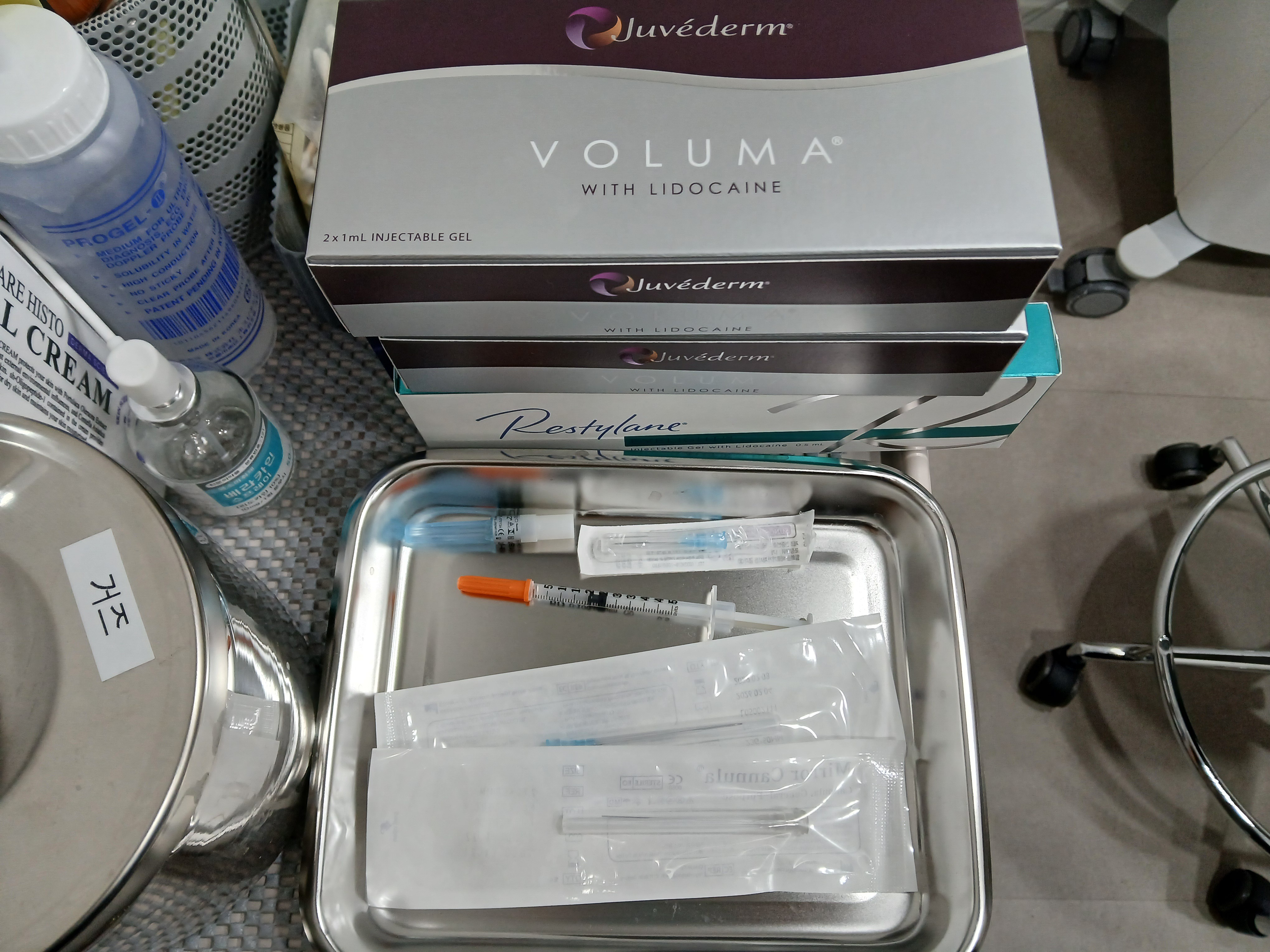
By focusing on the structural foundations of the face, this treatment provides a tailored solution for individuals seeking to enhance their natural features with scientific precision.
Understanding Customized Facial Contouring Filler Treatments
Customized facial contouring filler is a high-precision dermatological technique where dermal fillers are strategically injected into multiple skin layers to restore volume and redefine facial architecture. Unlike standard filler applications that target isolated wrinkles, this comprehensive method analyzes the entire facial structure to ensure that every adjustment contributes to a cohesive and natural aesthetic outcome.
What is Personalized Facial Contouring?
Personalized facial contouring involves a comprehensive assessment of the unique topography of each patient, moving away from a one-size-fits-all approach to aesthetic medicine. At LUNN, I emphasize the importance of identifying the specific anatomical needs of the individual, whether that involves addressing age-related volume loss or correcting natural asymmetries. By utilizing customized facial contouring filler, we can modify the contours of the mid-face, chin, and jawline with extreme accuracy. A successful outcome depends on the precise placement of filler in relation to the underlying bone structure and fat pads. In my practice, I have observed that adjustments as small as 1mm can significantly impact how light reflects off the face, creating a more youthful and rested appearance. This tailored strategy avoids the overfilled look, ensuring that the patient's unique character is preserved while their aesthetic goals are met with professional care.
How Dermal Fillers Reshape Facial Structures
Dermal fillers reshape facial structures by acting as a temporary scaffold that provides support to areas where soft tissue has depleted or bone density has shifted. The science behind customized facial contouring filler relies on selecting products with specific rheological properties, such as high elasticity for structural support or high cohesivity for smooth transitions. During the procedure, I carefully inject the material into targeted depths, such as the deep supraperiosteal plane for foundational lifting or the subcutaneous layer for surface refinement. Longevity can vary significantly depending on the individual’s metabolic rate, lifestyle, and the specific product used. This process does not just add volume; it redirects the vectors of the face to create a more lifted and defined profile. By understanding the biomechanical resistance of facial muscles, we can ensure the filler remains stable during daily expressions, providing a long-lasting and dynamic result.
Key Treatment Areas for Harmonious Contouring
The key treatment areas for harmonious contouring are specific anatomical zones, including the temples, cheeks, jawline, and chin, which collectively define the face's overall silhouette and balance. Addressing these areas in concert allows for a more natural transition between facial features, preventing the disjointed appearance that can occur when only a single zone is treated.
Structural Support for Mid-face and Jawline
Providing structural support for the mid-face and jawline is essential for maintaining a clear distinction between the face and neck, which is a hallmark of a youthful appearance. At LUNN, I focus on the malar area and the mandibular angle to create a solid foundation that supports the surrounding soft tissues. By applying customized facial contouring filler to these regions, we can address the early signs of jowling and mid-face sagging that often begin in the mid-30s. Research indicates that targeted injections in the lateral cheek can provide a non-surgical lifting effect by tensioning the overlying skin. The jawline requires a different approach, often necessitating a firmer filler to mimic the appearance of a defined bone structure. The amount of product required varies based on individual facial structures and the desired degree of enhancement determined during the consultation. This technique ensures that the lower face remains sharp and well-defined, even during movement and different lighting conditions.
Refining Forehead and Chin Proportions
Refining the forehead and chin proportions is a critical step in achieving the ideal golden ratio of facial aesthetics, which emphasizes balance between the upper, middle, and lower thirds of the face. A well-projected chin provides a necessary anchor for the face, while a smooth, gently curved forehead creates a soft and approachable look. When performing customized facial contouring filler treatments for these areas, I pay close attention to the sagittal profile to ensure that the projection is natural from every angle. Clinical findings suggest that chin augmentation can improve the appearance of a recessed jawline, while forehead refinement can soften the transition from the brow bone to the hairline. The procedure typically involves multiple micro-injections to ensure the filler integrates seamlessly with the natural tissues. Patients often report a high satisfaction rate when these two zones are balanced, as it creates a more symmetrical and harmonious facial profile that enhances their overall confidence.
| Feature | Volumizing Fillers | Sculpting Fillers |
|---|---|---|
| Primary Goal | Broad area volume restoration | Precise line and edge definition |
| Injection Depth | Deep subcutaneous or fat pads | Supraperiosteal or superficial dermis |
| Estimated Longevity | Varies by individual metabolism | Varies by individual metabolism |
| Common Areas | Temples, mid-cheek, buccal area | Jawline, chin, nose bridge |
| Typical Volume | Personalized per patient | Personalized per patient |
The LUNN Approach: The Science of 1mm Precision
The LUNN approach centers on the philosophy that true beauty lies in the fine details, utilizing advanced anatomical knowledge to achieve structural harmony with microscopic accuracy. This methodology prioritizes the natural movement of the face, ensuring that aesthetic enhancements are invisible to the naked eye while providing a significant boost to the patient's overall appearance.
Analyzing Muscle Resistance and Skin Layers
Analyzing muscle resistance and skin layers is the first step in the specialized protocol at LUNN, ensuring that every injection is placed in the optimal environment for stability. Facial muscles are constantly in motion, and placing filler without considering these dynamic forces can lead to migration or an unnatural appearance. I use my extensive clinical experience to assess how a patient's muscles interact with their skin, particularly in high-movement areas like the perioral region. By placing customized facial contouring filler at the correct depth—often within the deep fat pads or resting on the bone—we can minimize the resistance the filler faces during daily activities like smiling or speaking. Multi-layered injections can contribute to enhanced long-term satisfaction by providing stable structural support across different tissue depths. However, individual results and satisfaction levels may vary depending on the patient's unique anatomy and skin condition. This depth-specific approach ensures that the filler becomes a natural extension of the patient’s own anatomy, rather than an external addition.
Designing the Ideal Shadow and Light Balance
Designing the ideal shadow and light balance is a hallmark of the artistic precision we provide at LUNN, where we view the face as a dynamic canvas. The way light hits the cheekbones or shadows fall under the jawline determines how others perceive facial shape and age. Through the use of customized facial contouring filler, I can strategically add volume to "light-catching" areas, such as the apex of the cheek or the tip of the chin. Conversely, by filling hollows in the temples or under the eyes, we can eliminate harsh shadows that contribute to a tired or aged look. In my clinical practice, I have found that focusing on these light-shadow transitions provides a more comprehensive rejuvenation than simply filling individual lines. We analyze the face from a 45-degree and 90-degree angle to ensure that the contours remain fluid and graceful in three dimensions. This artistic approach, backed by medical science, results in a refreshed look that appears entirely natural.
Safety Protocols and Minimizing Side Effects
Safety protocols and minimizing side effects are the most critical components of any treatment at LUNN, where patient well-being is our primary objective. Every procedure involving customized facial contouring filler is performed using sterilized, high-grade equipment and premium, FDA-approved products. To minimize risks such as bruising or swelling, I utilize specialized cannulas and cooling techniques that protect the surrounding tissues and blood vessels. While minor redness or temporary swelling may occur as a common side effect, these effects usually resolve within a few days. I also maintain a rigorous screening process to identify any potential contraindications before the treatment begins. It is important for patients to understand that while fillers are generally safe, choosing a qualified specialist is essential to avoid rare complications such as vascular occlusion. By adhering to the highest medical standards, we ensure that every patient can enjoy their aesthetic results with complete peace of mind and minimal disruption to their daily lives.
Recovery and Long-term Maintenance Strategies
Recovery and long-term maintenance strategies are essential for preserving the integrity of the filler and ensuring that the aesthetic benefits remain consistent over time. A proactive approach to post-procedural care allows the skin to heal efficiently and helps the filler integrate smoothly into the surrounding facial tissues.
Managing Initial Swelling and Bruising
Managing initial swelling and bruising requires a gentle approach during the first 24 to 48 hours following the injection of customized facial contouring filler. It is normal for the treated areas to feel slightly firm or sensitive as the filler settles into place. At LUNN, I advise patients to avoid strenuous exercise and high-heat environments, such as saunas or hot tubs, for at least 1 week to prevent increased blood flow to the injection sites. Applying cold compresses for 10 minutes every few hours can significantly reduce inflammation and help constrict blood vessels, minimizing the appearance of bruises. Most minor side effects peak within the first 48 hours and gradually fade over the following week. During this time, it is important not to massage or put excessive pressure on the treated areas, as this could cause the filler to shift before it has fully integrated. Following these simple steps ensures a smooth transition to the final, refined result.
Optimizing Filler Longevity through Lifestyle
Optimizing filler longevity through lifestyle choices is a practical way for patients to extend the duration of their customized facial contouring filler results. Factors such as UV exposure, hydration levels, and metabolic rate play a significant role in how quickly the body breaks down hyaluronic acid. I recommend that all my patients at LUNN maintain a consistent skincare routine that includes a high-SPF sunscreen to protect the skin’s collagen and elastin fibers from sun damage. Proper hydration is also crucial, as hyaluronic acid fillers are hydrophilic and perform best when the body is well-hydrated. Individuals who maintain a stable weight and avoid smoking tend to experience better retention of their filler volume compared to those who do not. While the body naturally processes the filler over time, these healthy habits help maintain the structural support and skin quality that the treatment provides, ensuring that the results remain vibrant for as long as possible.
When to Schedule Maintenance Sessions
Knowing when to schedule maintenance sessions is key to avoiding a total loss of volume and maintaining a consistent appearance throughout the year. Rather than waiting for the customized facial contouring filler to disappear completely, I often recommend "touch-up" sessions every 9 to 12 months. This proactive approach at LUNN allows us to make minor adjustments as the face continues to age, ensuring that the structural harmony is never lost. Monitoring the transition areas, such as the nasolabial folds or the jawline, can help identify when the filler has started to diminish. Regular consultations provide an opportunity to reassess the facial architecture and adapt the treatment plan to any changes in skin laxity or bone structure. By maintaining a consistent schedule, patients can achieve a seamless aesthetic journey without the need for significant corrective procedures. This long-term partnership between the doctor and patient ensures that the aesthetic goals are met with ongoing precision and care.
A Dermatologist's 2026 Guide to LUNN Dermatology Clinic in Seoul: Refining Structural Harmony
Frequently Asked Questions
Q. What exactly is customized facial contouring filler?
Customized facial contouring filler is a personalized aesthetic procedure where a dermatologist injects dermal fillers at specific depths and locations to harmonize facial proportions. Unlike traditional filler treatments that might only target a single wrinkle, this approach looks at the entire facial structure to ensure a balanced and natural result. I use my expertise to analyze your bone structure and skin thickness before determining the precise placement for each injection.
Q. How long do the results of a contouring filler typically last?
The duration of results varies depending on the specific product and individual metabolism. High-density fillers used for the jawline and chin often last longer than softer fillers used in more mobile areas of the face. Regular maintenance sessions can help sustain the desired shape and prevent a complete return to the pre-treatment state.
Q. Is there any significant downtime after the procedure?
Most patients are able to return to their daily activities immediately, although mild swelling or bruising may occur for a few days. At LUNN, we use refined techniques and specialized tools to minimize these temporary effects as much as possible. I recommend avoiding intense physical activity and high-heat environments for the first week to allow the filler to settle properly without unnecessary irritation.
Q. Can filler effectively fix a saggy jawline without surgery?
For individuals with mild to moderate sagging, fillers can provide excellent structural support to redefine the jawline and reduce the appearance of jowls. However, it is important to note that severe skin laxity might require a combination of lifting treatments or surgical intervention for optimal results. During our consultation, I will assess your skin quality to determine if filler alone is sufficient for your goals.
Q. What are the potential side effects I should be aware of?
Common temporary side effects include redness, minor swelling, and occasional bruising at the injection sites. These are typically mild and resolve on their own within a week. While rare, more serious risks like infection or vascular issues can occur, which is why choosing an experienced dermatology specialist is critical for your safety. We follow strict medical protocols at LUNN to minimize these risks and ensure a safe experience.
Q. How do I know how much filler will be required for my face?
The amount of filler needed depends entirely on your unique bone structure, the degree of volume loss, and your specific aesthetic goals. During a consultation at LUNN, I perform a detailed analysis of your facial layers to determine the precise volume required to achieve natural harmony. The volume is determined based on individual anatomy and goals rather than a fixed standard.
Q. Can I receive filler if I have recently had laser treatments?
Generally, yes, but the timing between treatments is very important for the best results. It is usually recommended to wait at least two to three weeks between heat-based laser treatments and filler injections to ensure the skin has fully recovered. This waiting period allows the filler to integrate properly into the tissue without being affected by the residual inflammation from the laser.
Key Takeaways
- Customized facial contouring filler focuses on structural harmony rather than just filling individual lines, using 1mm precision for natural results.
- Treatment areas like the mid-face and jawline provide essential foundational support, with longevity varying based on individual factors.
- The approach at LUNN emphasizes the science of light and shadow, ensuring aesthetic enhancements look natural from every angle.
- Maintenance sessions every 9 to 12 months help preserve volume and adapt to the natural aging process without drastic changes.
- Choosing a qualified dermatology specialist ensures high safety standards, minimizing risks such as swelling or rare vascular complications.
LUNN / Dr. Hyungkwon Park
FAQ
- What exactly is customized facial contouring filler?
- Customized facial contouring filler is a personalized aesthetic procedure where a dermatologist injects dermal fillers at specific depths and locations to harmonize facial proportions. Unlike traditional filler treatments that might only target a single wrinkle, this approach looks at the entire facial structure to ensure a balanced and natural result. I use my expertise to analyze your bone structure and skin thickness before determining the precise placement for each injection.
- How long do the results of a contouring filler typically last?
- Results typically last between 12 to 18 months, depending on the specific product used and your individual metabolic rate. High-density fillers used for the jawline and chin often last longer than softer fillers used in more mobile areas of the face. Regular maintenance sessions can help sustain the desired shape and prevent a complete return to the pre-treatment state.
- Is there any significant downtime after the procedure?
- Most patients are able to return to their daily activities immediately, although mild swelling or bruising may occur for 3 to 7 days. At lunnclinic, we use refined techniques and specialized tools to minimize these temporary effects as much as possible. I recommend avoiding intense physical activity for the first few days to allow the filler to settle properly without unnecessary irritation.
- Can filler effectively fix a saggy jawline without surgery?
- For individuals with mild to moderate sagging, fillers can provide excellent structural support to redefine the jawline and reduce the appearance of jowls. However, it is important to note that severe skin laxity might require a combination of lifting treatments or surgical intervention for optimal results. During our consultation, I will assess your skin quality to determine if filler alone is sufficient for your goals.
- What are the potential side effects I should be aware of?
- Common temporary side effects include redness, minor swelling, and occasional bruising at the injection sites. These are typically mild and resolve on their own within a week. While rare, more serious risks like infection or vascular issues can occur, which is why choosing an experienced dermatology specialist is critical for your safety. We follow strict medical protocols to minimize these risks and ensure a safe experience.
- How do I know how much filler will be required for my face?
- The amount of filler needed depends entirely on your unique bone structure, the degree of volume loss, and your specific aesthetic goals. During a consultation at lunnclinic, I perform a detailed analysis of your facial layers to determine the precise volume required to achieve natural harmony. Most patients require between 2ml and 5ml for a full-face contouring session, but this varies significantly between individuals.
- Can I receive filler if I have recently had laser treatments?
- Generally, yes, but the timing between treatments is very important for the best results. It is usually recommended to wait at least two to three weeks between heat-based laser treatments and filler injections to ensure the skin has fully recovered. This waiting period allows the filler to integrate properly into the tissue without being affected by the residual inflammation from the laser.