
Post
Can Botox Cause Eyelid Drooping? Causes, Prevention, and Management in 2026
Key Takeaways
- Botulinum toxin injections near the brow or forehead can occasionally spread to the levator palpebrae superioris muscle and cause a temporary eyelid droop (ptosis).
- The effect is uncommon and typically resolves on its own as the toxin wears off, often within a few weeks.
- Anatomical features, injection depth, dose, and product migration all influence risk.
- Conservative dosing, precise placement, and experienced injectors reduce but do not eliminate the possibility.
- Any droop, asymmetry, or vision change should be evaluated promptly by a qualified clinician.
What Is Eyelid Drooping After Botox?
Eyelid drooping after botulinum toxin treatment, medically termed ptosis, is an unintended temporary lowering of the upper eyelid that can occur when the toxin affects muscles beyond the intended treatment area.
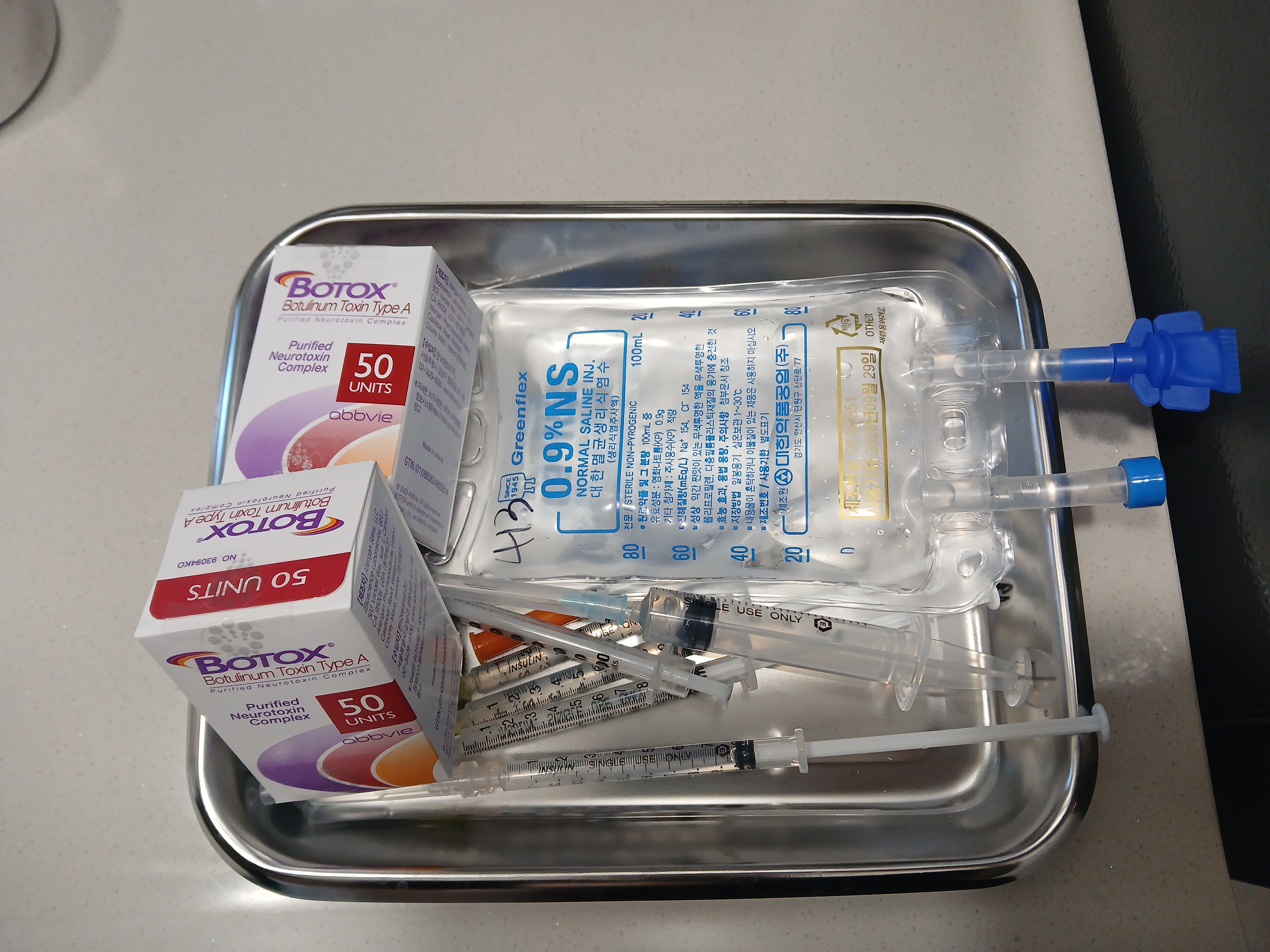
It is a recognized but uncommon complication of upper facial injections, and understanding why it happens helps patients make informed decisions.
Hello, I am Dr. Hyung-kwon Park, a board-certified dermatologist at LUNN. At my clinic in Cheongdam, I prioritize "Refining the Details" to achieve perfect harmony. This guide explains the anatomy, risk factors, prevention strategies, and management options based on my clinical experience so readers can approach treatment with realistic expectations. Please note that individual results may vary, and potential side effects like temporary redness, swelling, or bruising can occur.
What Is Botox-Related Eyelid Drooping (Ptosis)?
Ptosis refers to a drooping of the upper eyelid that can partially cover the pupil and create a sleepy or asymmetric appearance. When it follows botulinum toxin injection, it is typically caused by diffusion of the neurotoxin to the levator palpebrae superioris, the muscle responsible for lifting the eyelid. The result is a weakening of that muscle's action rather than damage to the muscle itself. Patients often notice the change within several days to two weeks after treatment. Because the effect is mediated by temporary neurotransmitter blockade, it is generally reversible. In my clinical practice at LUNN, I explain this pattern to patients during consultation so that any early change can be reported and assessed quickly, and appropriate supportive measures can be discussed.
Why Does Botox Sometimes Affect the Eyelid?
Botulinum toxin works by blocking acetylcholine release at the neuromuscular junction, temporarily reducing muscle contraction. When injected near the brow or glabella, small amounts of the product can migrate through tissue planes or spread via local diffusion toward the levator muscle. The eyelid elevator sits close to the orbital septum and the brow depressors, so even careful injections carry some anatomical proximity risk. Dose, volume, injection depth, and the number of injection points all influence how far the product may spread. Individual tissue laxity and prior surgery can further alter the barrier properties of the area. I weigh these factors in every treatment plan at LUNN, and I counsel patients that while I strive for precision, no injection technique removes the possibility of side effects entirely.
How Common Is It and Who Is at Higher Risk?
Ptosis is reported as an infrequent complication of upper facial botulinum toxin injection, and estimates vary widely across studies and injectors. Risk is higher when larger doses or volumes are used near the brow, when injections are placed close to the orbital rim, and when patients have pre-existing eyelid laxity or a history of eyelid surgery. Brow ptosis, deep-set eyes, and dermatochalasis can also increase susceptibility. A careful history and physical assessment help identify patients who may benefit from more conservative dosing. At LUNN, my treatment planning incorporates these anatomical considerations so that the approach is tailored rather than formulaic, while acknowledging that individual variation remains a factor.
Causes and Risk Factors: Why Eyelid Drooping Happens
Eyelid drooping after botulinum toxin is multifactorial, arising from the interplay of anatomy, injection technique, product behavior, and patient-specific characteristics. No single factor explains every case, and many cases involve several contributors acting together. Understanding these variables helps both clinicians and patients set realistic expectations and identify where adjustments can lower risk. The sections below break down the main categories so that prevention and management can be grounded in anatomy rather than assumption, and so that readers can discuss specific concerns with their injector.
Anatomical Factors: Muscle Thickness, Wrinkle Depth, and Eye Protrusion
Brow position and eyelid anatomy strongly influence how botulinum toxin affects the upper face. To prevent complications like ptosis, a precise anatomical assessment is vital. At LUNN, I strictly perform a physical check of the patient's muscle thickness, wrinkle depth, eye protrusion (bulging), and fat volume before any injection.
A key part of my protocol is the precise comparison of muscle thickness on both sides of the face. Since asymmetrical muscle strength is common, injecting the same dose on both sides can lead to one side drooping or the other feeling stiff. Prior blepharoplasty or brow surgery can also alter tissue planes and scar formation, changing how product spreads. These physical findings guide whether a more conservative approach is appropriate for a given patient.
Injection Technique and Product Migration
Injection technique plays a central role in product migration. Deeper injections, larger volumes, and placement close to the orbital rim increase the likelihood that toxin reaches the levator muscle. Rapid injection or high pressure can also disperse product beyond the intended site. Using smaller volumes per point, maintaining appropriate distance from the brow, and selecting injection depth carefully are standard precautions. Reconstitution concentration affects spread as well, since more dilute solutions may diffuse further. Clinicians trained in facial anatomy can adjust these variables, but technique cannot eliminate risk entirely. At LUNN, I individualize injection maps and counsel patients about the rationale for each placement decision so they understand the trade-offs involved.
Patient-Related Factors: Age, Muscle Mass, and Prior Procedures
Patient characteristics influence both the likelihood and the visibility of ptosis. Older adults often have thinner skin, reduced tissue support, and greater eyelid laxity, which can make any toxin spread more apparent. Muscle mass varies between individuals, and a stronger frontalis or brow depressor pattern may require different dosing to achieve a balanced result. A history of eyelid surgery, filler placement near the brow, or prior botulinum toxin treatments can change tissue architecture and response. Patients who have experienced ptosis before are at higher risk of recurrence and warrant a modified plan. At LUNN, I review these factors in detail during consultation, and I adjust the treatment to the individual rather than applying it uniformly.
Prevention Strategies: How to Reduce the Risk
Prevention begins with careful patient selection and continues through injection technique and post-treatment care. While no approach can guarantee that ptosis will not occur, evidence-informed practices can meaningfully lower the risk. These strategies are most effective when applied together and tailored to each patient's anatomy and goals. The discussion below outlines the key preventive measures and explains why each matters, so that patients can ask informed questions and clinicians can justify their choices. At LUNN, I treat prevention as a process rather than a single decision at the time of injection.
Choosing a Qualified Injector and Proper Assessment
Selecting an experienced, properly trained injector is a foundational step in risk reduction. Clinicians who regularly perform upper facial injections develop an understanding of individual anatomy, product behavior, and complication management. A thorough assessment before treatment should include the physical touch of muscles and skin to gauge resistance. Patients should feel comfortable asking about the injector's training, typical approach, and how complications are handled. Transparent communication about expected outcomes and limitations is a marker of good practice. At LUNN, my consultations include a candid discussion of risks, including ptosis, so that patients can make an informed decision before any product is administered.
Injection Technique Modifications (Dose, Depth, and Location)
Technique modifications are central to lowering ptosis risk. Lower doses and smaller volumes per injection point reduce the amount of product available to spread. Injecting at the appropriate depth and maintaining a safe distance from the orbital rim and brow depressors limits unintended spread. Some clinicians use microdroplet techniques or targeted placement to achieve the desired effect with less diffusion. Avoiding excessive manipulation during injection also helps. These adjustments may mean a slightly more conservative initial result, with touch-ups planned at follow-up if needed. At LUNN, I individualize my technique and review it at follow-up, counseling patients that a staged approach can support both safety and a natural outcome.
Post-Treatment Care and What to Avoid
Post-treatment care can influence how product settles in the days after injection. Patients are generally advised to avoid rubbing or massaging the treated area, to refrain from strenuous exercise and lying flat for several hours, and to avoid heat exposure such as saunas or hot yoga immediately afterward. These measures are intended to limit excessive spread of the product, though evidence for each is limited. Patients should also avoid manipulating the brow or eyelid area and should report any early change in eyelid position. At LUNN, I provide post-treatment instructions in writing and encourage patients to contact me with any concerns rather than attempting self-management.
Comparison of Treatment Options for Eyelid Drooping
When ptosis occurs after botulinum toxin, management options range from watchful waiting to prescription eye drops and, in selected cases, further intervention. The appropriate choice depends on the severity of the droop, the patient's symptoms, and the clinical context. Most cases resolve without active treatment as the toxin's effect wanes. The comparison below summarizes common approaches, their typical use, and their limitations, to help patients understand what to expect and when to seek clinical guidance. At LUNN, I individualize the approach and discuss it openly with each patient.
| Option | How It Works | Typical Setting | Considerations |
|---|---|---|---|
| Watchful waiting | Toxin effect gradually fades | Most mild cases | Requires patience; no active intervention |
| Apraclonidine eye drops | May temporarily elevate the lid | Prescription only | Off-label for ptosis; clinician supervision needed |
| Oxymetazoline eye drops | May provide temporary lift | Prescription only | Off-label; variable response |
| Revision or alternative measures | Addresses residual concerns | Selected cases | Timing and suitability determined clinically |
Watchful Waiting vs. Apraclonidine Eye Drops
Watchful waiting is the default approach for most mild cases of toxin-related ptosis, since the effect typically fades as the neurotoxin is metabolized. Apraclonidine eye drops, a prescription alpha-adrenergic agent, are sometimes used off-label to temporarily elevate the eyelid by stimulating Mueller's muscle. Response varies, and the drops are not a cure; they provide temporary improvement while the toxin wears off. Side effects may include irritation, redness, and, in some patients, systemic effects. These drops should only be used under clinician guidance. At LUNN, I counsel patients that these options exist but that observation remains appropriate for many cases, and I only consider medication after an individual assessment.
Off-Label Medications and Their Limitations
Several medications have been used off-label to address eyelid ptosis, including oxymetazoline and apraclonidine eye drops. These agents can provide temporary elevation by acting on Mueller's muscle, but their effect is limited and short-lived, and they do not reverse the underlying toxin effect. Response varies between patients, and repeated use may be associated with rebound redness or irritation. Other approaches, such as targeted botulinum toxin injections to opposing muscles, are used in selected cases by experienced clinicians but carry their own risks. Patients should understand that off-label use is not equivalent to proven therapy and that supervision is essential. At LUNN, I discuss these options with appropriate caution.
When to Consider Revision or Other Interventions
Revision is generally considered when ptosis is persistent, functionally significant, or associated with other concerns such as asymmetry or brow position changes. Timing matters, since many cases improve spontaneously within weeks, and premature intervention can complicate assessment. In selected cases, additional botulinum toxin to opposing muscles or other targeted measures may be considered by an experienced clinician. Surgical options are reserved for situations that do not resolve or that involve structural issues. Patients should have realistic expectations and understand that revision carries its own risks. At LUNN, I make decisions about further intervention collaboratively with the patient, paying careful attention to timing and individual goals.
Managing Expectations and Safety: What to Know
Managing expectations is an essential part of safe aesthetic treatment. Patients should understand that botulinum toxin effects are temporary, that individual responses vary, and that complications, while uncommon, can occur. Clear communication about timeline, possible side effects, and when to seek help supports a safer experience and better outcomes. The sections below outline the typical course, potential complications, and warning signs that warrant prompt medical attention. At LUNN, I review these points during consultation and again at follow-up so that patients feel informed and supported throughout their treatment journey.
Typical Timeline and Recovery
Most cases of toxin-related ptosis begin within several days to two weeks after injection and gradually improve as the neurotoxin's effect diminishes. Many patients notice meaningful improvement within two to four weeks, though individual timelines vary with dose, metabolism, and anatomy. Recovery does not typically require downtime, but patients may feel self-conscious during the interval. Follow-up assessment helps confirm the trajectory and rule out other causes. At LUNN, I advise patients to report any change promptly so that I can monitor progress and discuss supportive options if needed. Patience and observation remain the mainstay for most cases.
Potential Side Effects and Complications
Beyond ptosis, botulinum toxin injections can be associated with other side effects, including bruising, mild swelling, headache, and temporary asymmetry. Less common concerns include brow heaviness, double vision, and, rarely, allergic reactions. Most side effects are transient and resolve without intervention. Patients with certain neuromuscular disorders or those taking interacting medications should discuss these with their clinician. Understanding the full range of possible effects supports informed consent. At LUNN, I discuss risks and limitations before treatment and encourage patients to ask questions so that expectations are aligned with what the procedure can achieve.
When to Seek Medical Attention
Patients should seek prompt medical attention if they experience sudden or severe eyelid drooping, vision changes, eye pain, or signs of infection such as spreading redness or fever. These symptoms may indicate a cause unrelated to botulinum toxin and warrant evaluation. Persistent ptosis beyond the expected timeline should also be assessed. Patients should not attempt self-treatment with borrowed medications or unverified remedies. At LUNN, I provide clear guidance on when to contact me and when to seek urgent care, reminding patients that open communication supports safer outcomes.
Frequently Asked Questions
Q. Can Botox cause eyelid drooping?
Yes, eyelid drooping is a recognized possible side effect of botulinum toxin injections near the brow or upper face. It occurs when the toxin spreads to the levator palpebrae superioris muscle, which lifts the eyelid. It is uncommon and usually temporary. At LUNN, I discuss this risk during consultation so patients can make informed decisions.
Q. How long does Botox-induced eyelid drooping last?
In most cases, the droop improves within two to four weeks as the toxin gradually wears off. The timeline varies with dose, metabolism, and individual anatomy. Some patients notice improvement sooner, while others take a bit longer. Follow-up with the treating clinician helps confirm the expected course.
Q. Can eyelid drooping after Botox be prevented?
The risk can be reduced, though not eliminated, by choosing an experienced injector, using conservative doses, and avoiding placement too close to the levator muscle. Pre-injection assessments of muscle thickness and wrinkle depth are critical. At LUNN, I approach prevention as a combination of technique, detailed anatomical assessment, and aftercare.
Q. What should I do if my eyelid droops after Botox?
Contact your injector promptly. They may recommend prescription eye drops such as apraclonidine to temporarily improve the droop, or suggest waiting for the toxin to wear off. Avoid rubbing or massaging the area, and do not attempt self-treatment. Clinical assessment helps determine the appropriate approach.
Q. Are there any permanent risks from Botox causing eyelid drooping?
Toxin-related eyelid drooping is generally temporary and resolves without permanent damage as the product's effect fades. Repeated improper injections could lead to complications, so treatment from a qualified professional matters. Patients should report any persistent or unusual symptoms for evaluation.
Q. Is it safe to get Botox if I have had eyelid drooping before?
If you have experienced drooping after botulinum toxin, inform your injector. They may adjust technique, use a lower dose, or avoid certain areas. In some cases, alternative approaches may be considered. Open discussion of your history during consultation is essential for a safe plan.
Q. How can I choose a safe injector for Botox?
Look for a board-certified dermatologist or plastic surgeon with extensive experience in facial injections. Ask about their technique, how they manage complications, and whether they use conservative dosing. A thorough consultation and personalized approach are key to minimizing risks.
Q. Does Botox for other areas, such as crow's feet, also risk eyelid drooping?
Drooping is more commonly associated with injections in the glabella or forehead, but it can occur with any injection near the eye. Crow's feet injections are generally lower risk but still require precise technique to avoid affecting eyelid muscles. Individual anatomy and technique both matter.
If you have concerns about eyelid drooping or are considering treatment, a personalized consultation can help clarify your options.
Lunn Dermatology Clinic / Dr. Hyung-kwon Park
FAQ
- Can Botox cause eyelid drooping?
- Yes, eyelid drooping is a recognized possible side effect of botulinum toxin injections near the brow or upper face. It occurs when the toxin spreads to the levator palpebrae superioris muscle, which lifts the eyelid. It is uncommon and usually temporary. At lunnclinic, this risk is discussed during consultation so patients can make informed decisions.
- How long does Botox-induced eyelid drooping last?
- In most cases, the droop improves within two to four weeks as the toxin gradually wears off. The timeline varies with dose, metabolism, and individual anatomy. Some patients notice improvement sooner, while others take a bit longer. Follow-up with the treating clinician helps confirm the expected course.
- Can eyelid drooping after Botox be prevented?
- The risk can be reduced, though not eliminated, by choosing an experienced injector, using conservative doses, and avoiding placement too close to the levator muscle. Post-treatment care, such as not rubbing the area, may also help. At lunnclinic, prevention is approached as a combination of technique, assessment, and aftercare.
- What should I do if my eyelid droops after Botox?
- Contact your injector promptly. They may recommend prescription eye drops such as apraclonidine to temporarily improve the droop, or suggest waiting for the toxin to wear off. Avoid rubbing or massaging the area, and do not attempt self-treatment. Clinical assessment helps determine the appropriate approach.
- Are there any permanent risks from Botox causing eyelid drooping?
- Toxin-related eyelid drooping is generally temporary and resolves without permanent damage as the product's effect fades. Repeated improper injections could lead to complications, so treatment from a qualified professional matters. Patients should report any persistent or unusual symptoms for evaluation.
- Is it safe to get Botox if I have had eyelid drooping before?
- If you have experienced drooping after botulinum toxin, inform your injector. They may adjust technique, use a lower dose, or avoid certain areas. In some cases, alternative approaches may be considered. Open discussion of your history during consultation is essential for a safe plan.
- How can I choose a safe injector for Botox?
- Look for a board-certified dermatologist or plastic surgeon with extensive experience in facial injections. Ask about their technique, how they manage complications, and whether they use conservative dosing. A thorough consultation and personalized approach are key to minimizing risks. Transparency about limitations is a good sign.
- Does Botox for other areas, such as crow's feet, also risk eyelid drooping?
- Drooping is more commonly associated with injections in the glabella or forehead, but it can occur with any injection near the eye. Crow's feet injections are generally lower risk but still require precise technique to avoid affecting eyelid muscles. Individual anatomy and technique both matter.