
Post
Why Botox Sometimes Makes Expressions Look Unnatural, and How to Avoid It: A 2026 Guide from LUNN
Hello, I am Dr. Hyung-kwon Park, a board-certified dermatologist at LUNN in the Cheongdam and Apgujeong Rodeo area. Botox is a prescription botulinum toxin treatment that temporarily reduces the activity of specific facial muscles.
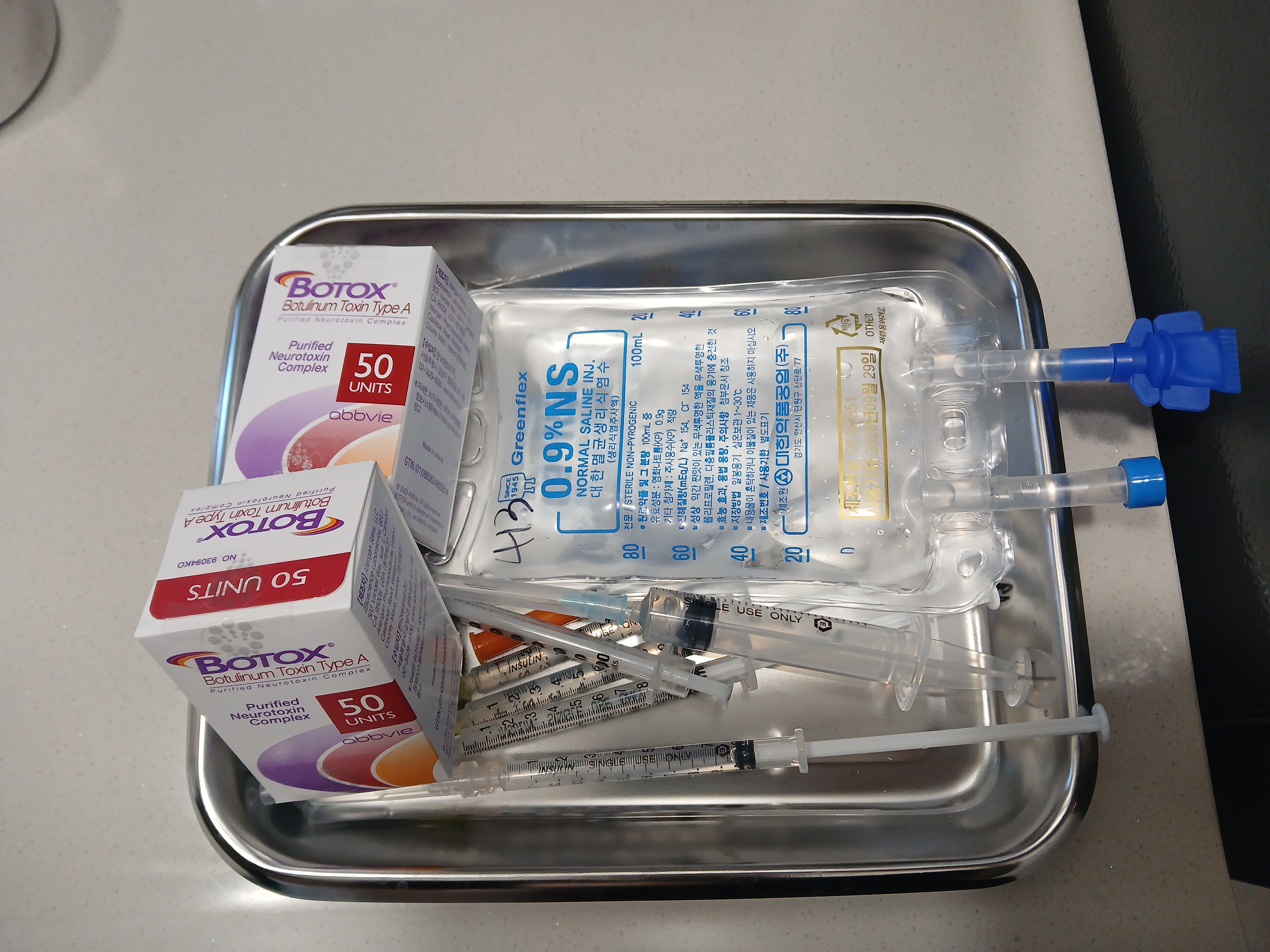
In this guide, I will explain why expressions can sometimes look stiff or unnatural after treatment, which factors influence natural-looking movement, and how my thoughtful assessment and dosing at LUNN help set realistic expectations. Please note that results vary by individual and side effects like bruising or temporary asymmetry can occur.
Understanding Botox and Facial Expressions
Botox refers to botulinum toxin type A, a purified protein that temporarily reduces signal transmission between nerves and the muscles they control. When injected into targeted facial muscles in small, measured amounts, it can soften dynamic wrinkles formed by repeated movement while leaving untreated areas free to express.
What Botox Does to Facial Muscles
Botulinum toxin works at the neuromuscular junction, where nerve endings release acetylcholine to trigger muscle contraction. A small, controlled dose taken up by the nerve terminal reduces that release, so the muscle contracts less forcefully. The effect is localized and temporary, typically fading over a number of months as nerve terminals recover.
Because facial expression depends on coordinated movement across many small muscles, even a modest change in one area can alter how a smile, frown, or raised brow reads to others. A treatment plan therefore considers the balance between the treated muscle and its neighboring muscles, not just the line itself. Effects and duration vary by individual, and some people notice asymmetry or a heavier feeling in the first days after injection. A qualified provider can assess whether a dose adjustment or follow-up is appropriate, and a consultation is the right place to review goals and anatomy.
Why Unnatural Expressions Occur: Common Causes
Unnatural appearance is usually not caused by the product itself but by how much is placed and where. When too many units reach muscles that support natural expression, movement can look flat or mask-like. Diffusion of product beyond the intended area, imprecise placement, and dosing that ignores a patient's baseline movement patterns all contribute.
Common contributors include:
- Overdosing a single muscle, which can reduce spontaneous micro-movements.
- Injecting too close to muscles that elevate the brow or shape the mouth.
- Treating every line at once rather than prioritizing the movements that matter most.
- Skipping an assessment of how the face moves at rest and in animation.
A careful provider maps expression patterns before treatment, uses conservative starting doses, and schedules a review so adjustments can be made. Patients should know that results are not identical for everyone and that some settling time is normal.
The Role of Muscle Anatomy in Expression
Facial expression is a system of paired and layered muscles, including the frontalis, corrugator supercilii, procerus, orbicularis oculi, and the muscles around the mouth. Each contributes to specific movements, and many work in opposition to one another. Treating one muscle can shift the balance of its counterpart.
The frontalis lifts the brow, while the corrugator and procerus pull it down and inward. Reducing the depressors without considering the lifters can create a heavy or quizzical brow. Around the eyes, the orbicularis oculi closes the eyelid and contributes to a genuine smile; treating it too broadly can flatten warmth in the expression.
Recognizing these relationships is part of the clinical assessment. At LUNN, I emphasize a detail-oriented mapping of movement before any injection, because I believe a 1mm difference can change the entire impression of a face. Anatomy varies between individuals, so a plan built for one person does not automatically transfer to another.
Key Factors That Influence Natural-Looking Results
Natural-looking outcomes depend on a combination of dose, technique, product handling, and provider judgment. No single factor decides the result; it is the interplay of measured dosing, precise placement, and an honest conversation about what the treatment can and cannot do.
Dose and Injection Technique
Dose is measured in units, and small differences matter. A conservative approach often starts with a lower dose that can be increased at a follow-up visit rather than a larger dose that must be waited out. Injection depth and angle also affect where the product acts, since muscles sit at different depths across the face.
Technique includes choosing the right points, avoiding unnecessary spread, and respecting the natural asymmetry most faces have. An experienced provider observes how the face moves during conversation and animation, not only at rest. Patients should expect a review appointment, because the full effect develops over days and small refinements may be needed. Personal variation in muscle strength and metabolism means the same dose can behave differently from one person to another.
Product Selection and Dilution
The botulinum toxin products available differ in formulation and how they are reconstituted, and each has its own labeling and handling requirements. Dilution affects the volume injected and the spread of product within tissue. Consistent reconstitution and storage practices support predictable behavior.
Product selection should follow the approved indication and the patient's needs, and it should be handled by a licensed provider using appropriate storage. In the United States, botulinum toxin products are prescription medicines regulated by the FDA, with approved uses and labeling that include risks and warnings. Patients should feel comfortable asking which product is being used and why. I discuss product choice as part of the consultation at LUNN so that your decisions are informed rather than assumed.
Provider Skill and Experience
Provider skill brings anatomy knowledge, injection precision, and judgment about when to treat less. A clinician who understands expression dynamics can distinguish a line worth softening from one that supports a patient's characteristic look. Experience also informs how to handle asymmetry, prior treatments, and revision planning.
Credentials matter. In the US, state medical boards license physicians, and patients can verify a provider's license and specialty through state resources. The American Academy of Dermatology and the American Society for Dermatologic Surgery provide patient education on injectable treatments and finding qualified care. A thorough consultation, clear consent, and a documented plan are signs of a careful practice. At LUNN, I emphasize individualized assessment rather than a fixed template for every face, ensuring I personally oversee every step of your care.
How to Avoid Unnatural Expressions: Practical Guidelines
Avoiding a frozen or mask-like look is mostly about preparation and restraint. A structured process, from assessment through follow-up, helps align the treatment with the patient's goals and reduces the chance of an outcome that feels off.
Pre-Treatment Assessment and Communication
Assessment begins with a conversation about goals: which expressions matter most, what the patient dislikes, and what they want to keep. Photos at rest and in animation, a review of prior treatments, and a discussion of medical history and medications all inform the plan. Patients should disclose neuromuscular conditions, pregnancy or breastfeeding status, and any allergies.
Clear communication includes discussing expected effects, timing, and limitations before injection. The FDA labeling for botulinum toxin products includes a boxed warning about the potential spread of toxin effects, and patients should review risks with their provider. Setting expectations early, including the possibility of a touch-up, supports a smoother experience.
Customized Treatment Planning
A customized plan treats the face as a whole. It may prioritize the glabella, forehead, or crow's feet, and it may deliberately leave some movement untouched to preserve character. Asymmetric dosing can be appropriate when a patient's baseline movement is asymmetric.
A staged approach, starting conservatively and adjusting at follow-up, is often described as a way to balance effect and naturalness. The plan should also account for planned events and recovery time. Balanced dosing, rather than maximal dosing, is a recurring theme in patient education from dermatologic societies. I build each plan at LUNN around the individual's movement patterns and schedule, documenting the approach so our future visits can build on it.
Post-Treatment Care and Follow-Up
Aftercare supports safety and comfort. Common guidance includes avoiding rubbing or massaging the treated area, staying upright for several hours, and avoiding strenuous exercise, heat, and alcohol for about 24 hours. Patients are advised to report symptoms such as difficulty swallowing, speaking, or breathing promptly.
Follow-up allows the provider to assess the result once the effect has developed and to decide whether a small adjustment is appropriate. Patients should not expect immediate final results, since the effect builds over several days. Keeping a record of doses and products helps future planning. Individual variation means the same plan can feel different over time, and a review visit is the right place to discuss any concern.
| Approach | What it does | Typical focus | Considerations |
|---|---|---|---|
| Botulinum toxin | Temporarily reduces targeted muscle activity | Dynamic wrinkles from expression | Dose and placement sensitive; temporary; requires follow-up |
| Dermal fillers | Adds volume or support | Volume loss, contour, folds | Different risk profile; placement dependent; not a muscle treatment |
| Energy-based devices | Delivers heat to support collagen remodeling | Skin texture and laxity | Series of sessions often needed; individual response varies |
| Topical treatments | Acts on skin surface over time | Texture, fine lines, pigmentation | Gradual; adherence matters; not a muscle treatment |
Comparing Treatment Approaches: Botox vs. Alternatives
Different treatments address different problems, and the right choice depends on the goal, the anatomy, and the patient's preferences. A comparison helps set realistic expectations without ranking one option above another.
Botulinum Toxin vs. Dermal Fillers
Botulinum toxin reduces muscle activity that creates dynamic lines, while dermal fillers add volume or support to areas where tissue has changed. A smile line caused by expression behaves differently from a fold caused by volume loss, and the two can coexist. Some patients are offered both, but each has its own risks and recovery considerations.
Fillers involve injection of a gel-like substance and carry risks such as bruising, swelling, and, rarely, vascular complications. Botulinum toxin carries risks such as bruising, headache, and temporary eyelid drooping. Neither is universally suitable. A consultation with a qualified provider helps clarify which approach matches the concern. I evaluate the underlying cause at LUNN before recommending a plan, since treating the wrong target can lead to an unnatural result.
Botulinum Toxin vs. Energy-Based Devices
Energy-based devices, such as lasers and radiofrequency platforms, deliver controlled energy to the skin to support collagen remodeling over time. They are generally directed at skin quality and laxity rather than muscle movement. Sessions are often spaced over weeks or months, and results develop gradually.
Botulinum toxin acts quickly on muscle activity but does not improve skin texture or volume. The two can complement each other when the goals differ. Patients should understand that devices are not a substitute for muscle treatment and that response varies by individual. Post-procedure redness and sensitivity are common and usually temporary. Choosing between them, or combining them, is a clinical decision based on assessment.
Botulinum Toxin vs. Topical Treatments
Topical retinoids and other skincare act on the skin surface and can improve texture and fine lines with consistent use over months. They do not reduce muscle contraction, so they cannot address dynamic lines in the same way as botulinum toxin. Adherence and tolerability, including irritation and sun sensitivity, affect outcomes.
Topicals can be part of a broader plan alongside in-office treatments. Patients often ask whether skincare can replace injections; the honest answer is that the mechanisms differ. A combined approach may be appropriate, but each element should be chosen for a reason. Discussing the plan with a dermatology professional helps avoid unnecessary treatments.
Safety, Side Effects, and Limitations
Every injectable treatment carries risks, and understanding them is part of informed consent. Botulinum toxin is generally well studied, but side effects and limitations exist, and outcomes vary by individual.
Common Side Effects and Management
Common side effects include temporary redness, swelling, bruising, and mild pain at injection sites. Headache and flu-like symptoms can occur. Less common effects include temporary eyelid drooping, which usually resolves as the effect fades, and asymmetry.
Management includes cold compresses, avoiding strenuous activity and alcohol briefly, and following provider instructions. Patients should report persistent or unusual symptoms. The FDA labeling includes a boxed warning about the potential spread of toxin effects, and serious symptoms such as difficulty swallowing or breathing require immediate medical attention. Discussing risks before treatment and knowing whom to contact afterward support safe care.
When Botox May Not Be Suitable
Botulinum toxin may not be appropriate for people who are pregnant or breastfeeding, have certain neuromuscular disorders, or have an allergy to components of the product. Active infection at the treatment site and some medication interactions warrant caution.
A thorough medical history is essential, and patients should disclose all conditions and medications. Expectations also matter: if a concern is caused by volume loss or skin laxity, botulinum toxin alone may not meet the goal. In those cases, a provider may discuss other options. Candidacy is a clinical judgment made after assessment, not a decision based on a menu.
Balancing Expectations and Realistic Outcomes
Natural-looking results are a shared goal, but they are not identical to "no movement" or to a guarantee of a specific look. A conservative plan that preserves some expression often reads as more natural, and it can be adjusted at follow-up. Results vary by individual, and duration differs.
Patients should be wary of promises of guaranteed outcomes. The FTC requires that advertising claims be truthful and substantiated, and medical practices should present benefits and risks in balance. A realistic conversation about what treatment can and cannot do is a sign of good care. I approach each plan at LUNN with that balance in mind, and I encourage you to ask any questions before we proceed.
Key Takeaways
- Unnatural expression after botulinum toxin usually reflects dose, placement, or diffusion rather than the product alone.
- Facial muscles work in coordinated pairs, so treating one area can change the balance of another.
- A conservative starting dose with a follow-up review supports adjustment toward a natural result.
- Common side effects include bruising, swelling, and headache; serious symptoms such as difficulty breathing require immediate care.
- Results vary by individual, and candidacy should be confirmed through a professional consultation.
Frequently Asked Questions
Q. Why does Botox sometimes make facial expressions look unnatural?
Unnatural expressions can occur when too much product reaches muscles that support natural movement, when placement is imprecise, or when product diffuses beyond the intended area. Dosing that ignores a person's baseline movement patterns also contributes. A careful assessment and conservative plan help reduce this risk, though individual anatomy and response vary.
Q. How much does Botox treatment typically cost?
Costs vary by location, provider, the number of units used, and the areas treated. In the US, per-unit pricing is often discussed, but the total depends on the individualized plan. Cosmetic use is generally not covered by insurance. A licensed provider can give an accurate estimate after assessment, and decisions should not rest on price alone.
Q. What is the typical procedure for Botox injections?
A provider assesses facial movement, cleans the area, and may apply topical anesthetic. Small amounts of botulinum toxin are injected into specific muscles with a fine needle, and the visit typically takes 15 to 30 minutes. Aftercare includes avoiding rubbing the area, staying upright for several hours, and limiting strenuous exercise briefly.
Q. What precautions should I take before and after Botox?
Before treatment, disclose medical conditions, medications, and allergies, and follow any advice about blood-thinning medications or alcohol. After treatment, avoid massaging the area, limit heat and strenuous activity for about 24 hours, and report symptoms such as difficulty swallowing or breathing immediately. A follow-up visit helps assess the result.
Q. Are there alternatives to Botox for reducing wrinkles?
Alternatives include dermal fillers, energy-based devices, chemical peels, and topical retinoids. Fillers add volume, devices support collagen remodeling, and topicals act on the skin surface. Each has different mechanisms and risks, and the choice depends on the concern and the patient's goals. A consultation helps clarify the options.
Q. How can I support natural-looking results from Botox?
Choose a qualified provider who assesses facial anatomy and movement, communicate goals clearly, and consider a conservative starting dose with a follow-up review. Follow aftercare instructions and report concerns promptly. Natural results reflect a partnership between patient and provider, and individual variation is expected.
Q. What are the common side effects of Botox?
Common effects include temporary redness, swelling, bruising, and mild pain at injection sites, along with occasional headache. Less common effects include temporary eyelid drooping. The FDA labeling includes a boxed warning about potential spread of toxin effects, and serious symptoms require immediate medical attention.
Q. Can Botox be used for medical conditions?
Yes. Botulinum toxin is FDA-approved for several medical conditions, including chronic migraine, cervical dystonia, overactive bladder, and severe underarm sweating. These uses require medical evaluation, and dosing and sites differ from cosmetic treatment. A healthcare provider can determine whether it is appropriate.
If you have questions about facial movement, dosing, or whether treatment suits your goals, a consultation at LUNN is a reasonable next step. I welcome a detailed conversation before any decision, and you can follow my updates via Threads @dr.lunn. LUNN / Lunn Dermatology Clinic, Dr. Hyung-kwon Park.
FAQ
- Why does Botox sometimes make facial expressions look unnatural?
- Unnatural expressions can occur when too much product reaches muscles that support natural movement, when placement is imprecise, or when product diffuses beyond the intended area. Dosing that ignores a person's baseline movement patterns also contributes. A careful assessment and conservative plan help reduce this risk, though individual anatomy and response vary.
- How much does Botox treatment typically cost?
- Costs vary by location, provider, the number of units used, and the areas treated. In the US, per-unit pricing is often discussed, but the total depends on the individualized plan. Cosmetic use is generally not covered by insurance. A licensed provider can give an accurate estimate after assessment, and decisions should not rest on price alone.
- What is the typical procedure for Botox injections?
- A provider assesses facial movement, cleans the area, and may apply topical anesthetic. Small amounts of botulinum toxin are injected into specific muscles with a fine needle, and the visit typically takes 15 to 30 minutes. Aftercare includes avoiding rubbing the area, staying upright for several hours, and limiting strenuous exercise briefly.
- What precautions should I take before and after Botox?
- Before treatment, disclose medical conditions, medications, and allergies, and follow any advice about blood-thinning medications or alcohol. After treatment, avoid massaging the area, limit heat and strenuous activity for about 24 hours, and report symptoms such as difficulty swallowing or breathing immediately. A follow-up visit helps assess the result.
- Are there alternatives to Botox for reducing wrinkles?
- Alternatives include dermal fillers, energy-based devices, chemical peels, and topical retinoids. Fillers add volume, devices support collagen remodeling, and topicals act on the skin surface. Each has different mechanisms and risks, and the choice depends on the concern and the patient's goals. A consultation helps clarify the options.
- How can I support natural-looking results from Botox?
- Choose a qualified provider who assesses facial anatomy and movement, communicate goals clearly, and consider a conservative starting dose with a follow-up review. Follow aftercare instructions and report concerns promptly. Natural results reflect a partnership between patient and provider, and individual variation is expected.
- What are the common side effects of Botox?
- Common effects include temporary redness, swelling, bruising, and mild pain at injection sites, along with occasional headache. Less common effects include temporary eyelid drooping. The FDA labeling includes a boxed warning about potential spread of toxin effects, and serious symptoms require immediate medical attention.
- Can Botox be used for medical conditions?
- Yes. Botulinum toxin is FDA-approved for several medical conditions, including chronic migraine, cervical dystonia, overactive bladder, and severe underarm sweating. These uses require medical evaluation, and dosing and sites differ from cosmetic treatment. A healthcare provider can determine whether it is appropriate.