
Post
Does Botox Resistance Develop Over Time? A 2026 Guide to Causes and Prevention by Dr. Hyung-kwon Park
Key Takeaways
- True, antibody-mediated botulinum toxin resistance is uncommon; most perceived "resistance" traces to dosing, technique, storage, or product factors.
- The immune system can form neutralizing antibodies when foreign protein load accumulates through frequent, high-dose, or closely spaced treatments.
- The most evidence-supported prevention is consistent spacing (generally no closer than about 3 months), the lowest effective dose, and avoiding unnecessary boosters.
- Zinc supplements, exercise, and "detoxes" have no proven role in preventing resistance.
- If response declines, a structured clinical assessment is needed before assuming resistance; individualized care matters more than any single product choice.
What Botox Resistance Actually Means
Hello, I am Dr. Hyung-kwon Park, a board-certified dermatologist at LUNN in the Cheongdam and Apgujeong Rodeo area. Botox resistance describes a reduced or absent clinical response to botulinum toxin injections caused by the immune system, specifically by neutralizing antibodies.
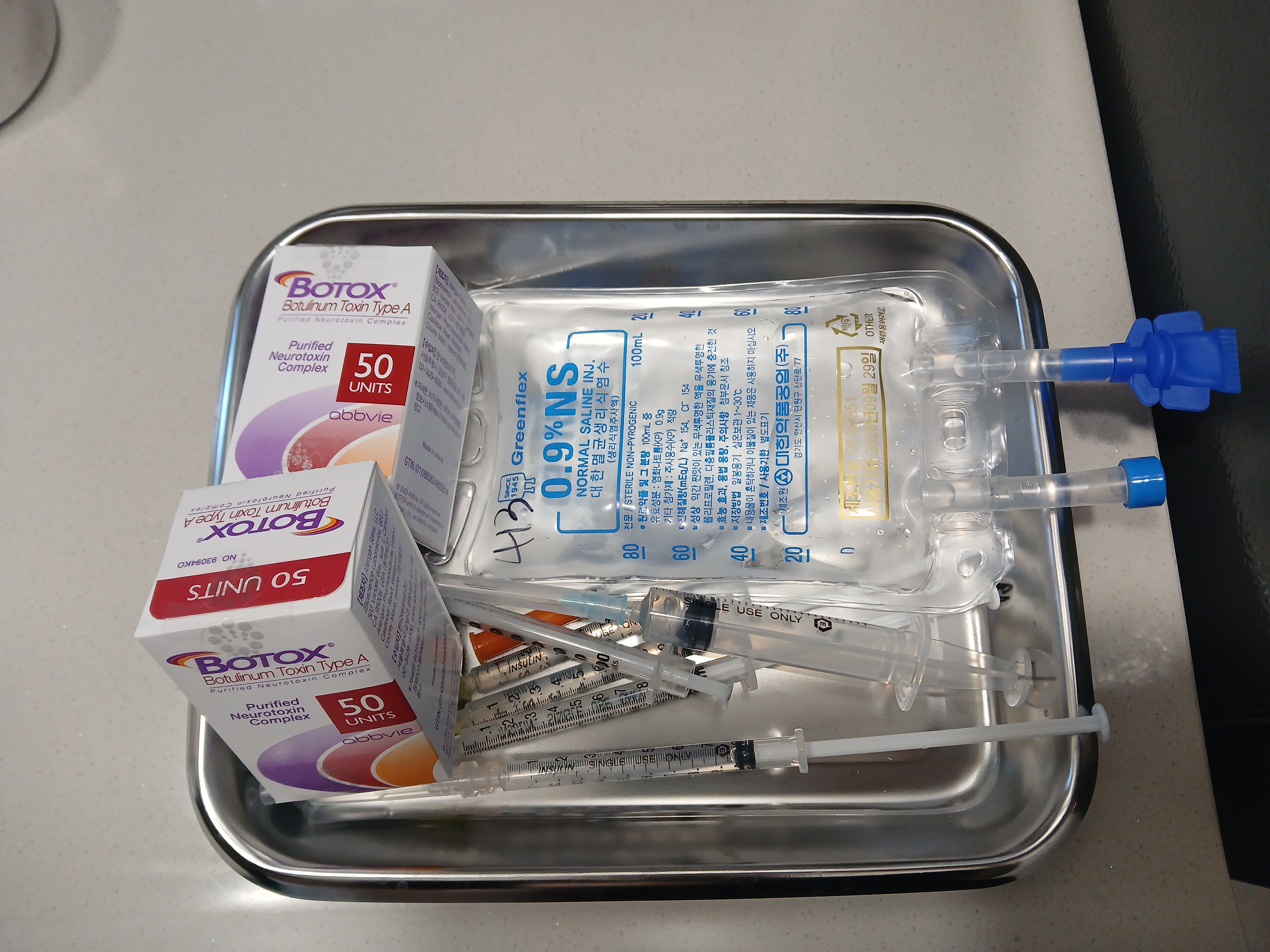
It is a clinical concept, not a vague feeling that a treatment "didn't last as long." At my clinic, the first step in evaluating any declining response is separating true resistance from the far more common causes of perceived non-response. I personally oversee every consultation to ensure we identify the exact cause of your concerns.
Neutralizing Antibodies and Clinical Non-Response
Neutralizing antibodies are proteins produced by the immune system that recognize a foreign substance and block its activity. In botulinum toxin therapy, they can bind the toxin molecule so that it can no longer enter nerve terminals and reduce muscle contraction. When enough of these antibodies are present, injections that previously worked may produce little or no visible effect, or the effect may fade unusually fast.
The clinical picture matters as much as the immunology. A patient who reports "it stopped working" may have a genuinely antibody-mediated non-response, or may be experiencing under-dosing, poor injection placement, degraded product, or simply a change in muscle behavior over time. True resistance is uncommon, and estimates in the dermatologic literature place it in a small minority of treated patients. Because there is no routine bedside antibody test, I rely on a detailed history, examination, and response to a carefully controlled trial of treatment. Typically, patients may see results within 3–7 days that last 3–4 months, but individual experiences vary. A proper diagnosis requires a consultation rather than an assumption, as I believe a 1mm difference in injection depth can change the entire outcome.
How Common Is True Resistance Compared With Perceived Resistance?
Perceived resistance is much more common than true immunological resistance. In everyday practice, many people who believe their toxin has "stopped working" are actually dealing with one of several reversible issues: the dose was too low for their muscle mass, the product was reconstituted or stored suboptimally, the injection points missed the target muscle, or their expectations shifted over time.
A meaningful share of apparent failures also reflects normal biology. Repeated treatment can lead to subtle changes in muscle tone and compensatory muscle recruitment, so the same dose may look different on a different day. Age, facial expression habits, and weight change all influence how toxin effects appear. True antibody-mediated resistance, by contrast, tends to present as a consistent lack of response even when the dose is increased appropriately. Distinguishing these scenarios is exactly where my assessment adds value. At LUNN, I emphasize evidence-based care rather than assumptions, ensuring that every unit of toxin is placed with the precision required for your unique facial structure. Reported rates in the literature are low overall, though they vary with product, dose, and treatment frequency.
Why the Term 'Resistance' Is Often Misused
The word "resistance" is frequently used loosely to describe any disappointing result, which can lead to unnecessary anxiety and inappropriate treatment changes. In clinical use, resistance should be reserved for immune-mediated non-response, not for a single short-lived treatment or a result that did not match a patient's expectation.
Misuse of the term has practical consequences. Patients may abandon an otherwise appropriate treatment, request unnecessarily high doses, or switch products without a clear rationale. Physicians may also over-attribute declining response to antibodies when technique or dosing is the real issue. Clear definitions help guide decisions: tolerance-like waning, product-related variability, and technique errors are distinct problems with distinct solutions. At my clinic, I define the problem precisely before changing the plan. I avoid the 'factory-style' approach to injections; instead, I personally design a treatment map for every patient because the right fix depends entirely on an accurate diagnosis.
How Botox Resistance Develops Over Time
Resistance develops through an interaction between the immune system and repeated exposure to botulinum toxin protein. Each injection presents the body with a small amount of foreign protein, and in some individuals the immune system responds by producing antibodies. Over time, cumulative exposure, dosing patterns, and product characteristics can influence whether that response becomes clinically relevant. Understanding this sequence helps explain why prevention focuses on exposure management rather than on any single product.
The Immune System's Role: Antibody Formation and Protein Load
The immune system does not distinguish between a therapeutic protein and any other foreign protein. When botulinum toxin is injected, a portion of the protein load can be recognized by immune cells, and in susceptible individuals this can lead to antibody production. The total amount of foreign protein the body sees over time, often called protein load, is thought to be a key driver.
Higher doses, more frequent injections, and booster shots given close together all increase cumulative protein exposure. This is why the immunologic risk is generally lower with conservative dosing and wider spacing. It is also why a single early treatment is unlikely to cause resistance, while years of closely spaced, high-dose treatment carries more theoretical risk. Individual immune responses vary, and not everyone who receives frequent treatment develops antibodies. The goal of my practice is to minimize unnecessary exposure while still achieving a satisfactory clinical result. I tailor this balance to each patient's history, focusing on the harmony of the face rather than just freezing a muscle.
Product-Specific Factors: Protein Content and Formulation Differences
Botulinum toxin products differ in formulation, including the amount of surrounding protein and the manufacturing process. Formulations with a lower foreign protein load are generally thought to carry a lower theoretical risk of antibody formation, although head-to-head clinical trials directly comparing resistance rates are limited.
Product choice is therefore one part of a broader strategy, not a guarantee. A lower-protein product given too frequently or at excessive doses can still contribute to cumulative exposure, and a higher-protein product used conservatively may carry acceptable risk for many patients. Storage and reconstitution practices also matter, because degraded or mishandled product can produce a poor result that is mistaken for resistance. I consider your treatment history, dosing needs, and prior response when selecting a product. At LUNN, product decisions are made in the context of a holistic treatment plan that I personally manage from start to finish.
Treatment Pattern Factors: Frequency, Dose, and Booster Intervals
Treatment patterns are among the most modifiable factors in resistance risk. Frequent sessions, high cumulative doses, and short booster intervals all increase the amount of toxin protein the immune system encounters. The standard interval between treatments is generally around three months, and going substantially below that without a medical reason raises cumulative exposure.
Booster injections given shortly after a primary treatment are a particular concern in some practices, because they add protein load without a clear long-term benefit for most patients. Dose also matters: using more units than necessary to achieve the desired effect increases exposure. A conservative, consistent schedule with the lowest effective dose is the practical foundation of prevention. At my clinic, treatment intervals and doses are planned around each patient's response pattern. While most patients enjoy results for several months, I counsel everyone that individual results and durations vary, and maintenance is key to long-term satisfaction.
Prevention Strategies: What the Evidence Supports
Prevention of botulinum toxin resistance focuses on reducing unnecessary immune exposure while maintaining clinical results. The strategies supported by clinical experience and immunologic reasoning are conservative: appropriate spacing, the lowest effective dose, and thoughtful product selection. Strategies without evidence, such as supplements or detoxes, should not be relied on. A structured, individualized plan is more useful than any single intervention.
Spacing Treatments and Avoiding Unnecessary Boosters
Maintaining consistent treatment intervals is one of the simplest and most effective preventive measures. Most patients are treated at intervals of roughly three months, which allows the previous effect to resolve before the next exposure. Compressing intervals to chase a longer-lasting result can increase cumulative protein load without necessarily improving outcomes.
Avoiding unnecessary boosters is equally important. A booster shortly after a primary treatment may be appropriate in select clinical situations, but routine boosting adds exposure. Patients should discuss with their physician whether a booster is truly needed or whether the issue is dose, technique, or product. Individual response varies, and some patients naturally metabolize the toxin faster than others. At LUNN, I emphasize a predictable schedule tailored to you rather than frequent top-ups. I encourage my patients to report exactly how long each treatment lasts so I can adjust intervals intelligently for the best long-term outcome.
Choosing the Right Product and Dose for Long-Term Use
Long-term planning should account for both efficacy and immunologic exposure. The lowest dose that reliably achieves the treatment goal is generally preferred, because it minimizes cumulative protein load over years of treatment. Product selection may also consider protein content and formulation, though evidence comparing resistance rates directly is limited.
Dose individualization matters because muscle mass, expression habits, and treatment goals differ widely. A dose that is appropriate for one patient may be insufficient or excessive for another, and using too little can lead to disappointment that is mistaken for resistance. Physicians also consider prior response history, interval patterns, and any signs of waning effect when adjusting the plan. At my clinic, I revisit product and dose decisions as your needs change. I inform all my patients that while typical results are highly effective, individual outcomes vary, and periodic reassessment is a vital part of the premium care I provide.
What Does Not Work: Myths About Zinc, Exercise, and Detoxes
Several popular claims about preventing resistance lack supporting evidence. Zinc supplementation is sometimes promoted as a way to improve toxin response, but there is no reliable clinical evidence that it prevents antibody formation. Exercise and facial workouts are similarly unproven for this purpose and may even influence muscle behavior in ways that complicate assessment.
"Detox" products and cleansing regimens have no plausible mechanism for reducing neutralizing antibodies, and relying on them can delay appropriate medical evaluation. The same applies to unverified dosing strategies or self-adjustment of treatment intervals. Patients should be cautious about advice that promises to "reset" the immune response without clinical evidence. At LUNN, my recommendations are grounded in clinical evidence. I encourage you to ask me questions directly during our consultation rather than adopting unproven routines found online.
Comparison: True Resistance vs. Other Causes of Reduced Response
Reduced response is a symptom, not a diagnosis. True resistance is only one of several explanations for a treatment that seems less effective than before. Product-related factors, technique issues, and natural changes in muscle behavior can all produce a similar report. A structured comparison helps patients and physicians identify the most likely cause before changing treatment.
Comparative Table: Resistance, Tolerance, Product Issues, and Technique Errors
| Category | Typical pattern | Likely cause | Suggested next step |
|---|---|---|---|
| Antibody-mediated resistance | Consistent non-response even at higher doses; progressively shorter duration | Neutralizing antibodies | Physician assessment; consider product change or pause |
| Perceived tolerance | Gradual shortening of effect over many treatments | Dosing, muscle adaptation, expectations | Review dose, interval, and goals |
| Product issue | Sudden poor result after a product change or new batch | Storage, reconstitution, degradation | Verify handling and product integrity |
| Technique error | Patchy or asymmetric result | Injection placement or depth | Reassess technique and anatomy |
The table is intended as a neutral framework, not a ranking of options. Each category has distinct implications, and more than one factor can coexist. Individual patients may show mixed patterns, which is why a clinical assessment is essential.
How to Tell the Difference in Practice
In practice, the history often points to the likely cause. A patient whose effect has gradually shortened over years of regular treatment may be experiencing dosing or adaptation issues, while a patient who suddenly stopped responding after a product change should have product handling reviewed first. Patchy or asymmetric results suggest technique rather than immunology.
Physicians also ask about intervals, doses, and any recent boosters, because treatment patterns strongly influence immune exposure. A trial of treatment with a carefully chosen dose and product can clarify the picture, and improvement after adjustment argues against true resistance. At my clinic, the assessment begins with a detailed history and examination by me personally. I remind my patients that results vary and a single disappointing treatment does not necessarily mean you have developed resistance.
When to Suspect Antibody-Mediated Failure
Antibody-mediated failure should be suspected when a patient shows a consistent lack of response despite adequate, appropriately placed doses, especially if the duration of effect has progressively shortened over time. A history of frequent treatments, high cumulative doses, or repeated boosters raises the index of suspicion.
Even then, the diagnosis is clinical rather than confirmed by routine testing. Neutralizing antibody tests are not routinely used in practice, and other causes must be excluded first. Patients should not self-diagnose resistance based on one poor result. At LUNN, suspicion of antibody-mediated failure prompts a careful review by me of your entire treatment history. We will discuss realistic options, including a temporary pause. While many see improvement after adjustments, individual responses vary, and I ensure we set expectations accordingly.
Clinical Approach When Resistance Is Suspected
When resistance is suspected, the clinical approach is systematic rather than reactive. The goal is to confirm the pattern, exclude reversible causes, and set realistic expectations before making changes. A structured assessment protects patients from unnecessary switches and helps identify those who may benefit from a different strategy.
Assessment Steps and Realistic Expectations
Assessment begins with a detailed treatment history: products used, doses, intervals, booster frequency, and prior response patterns. The physician examines the treatment area for asymmetry, patchiness, or residual muscle activity that might explain the result. Product handling and injection technique are reviewed, and any recent changes in health or medications are considered.
A controlled trial of treatment may follow, using an appropriate dose and verified product. Realistic expectations are essential: even with optimal management, not every patient regains a full response, and results vary. Patients should understand that a pause or a product change is a trial, not a guarantee. At lunnclinic, the conversation focuses on what can reasonably be expected and on monitoring response over time.
Alternatives and Switching Strategies
If true resistance is suspected, options include a temporary pause to allow antibody levels to decline, a change to a different botulinum toxin product, or a shift in treatment goals. Cross-reactivity between products is possible because they share the same core toxin, so a switch is not guaranteed to restore response.
Some patients regain response after a prolonged pause, often six to twelve months or longer, but this is variable and cannot be promised. Others may not recover fully. Physicians may also discuss non-toxin approaches for certain goals, depending on the clinical situation. At LUNN, I individualize switching strategies as part of a broader plan. I advise my patients that results differ and that ongoing reassessment by a specialist is the only way to ensure safe, long-term results.
Risks, Limitations, and the Importance of Individualized Care
All botulinum toxin injections carry risks, including bruising, swelling, headache, and, rarely, temporary eyelid drooping or asymmetry. Resistance itself is not dangerous, but it can limit future treatment options. These realities should be discussed openly rather than minimized.
Individualized care is central because the right plan depends on the specific cause of reduced response. A patient with technique-related issues needs a different approach than one with suspected antibodies, and a patient with realistic expectations may be well served by continuing an adjusted regimen. At my clinic, I plan care around your history and goals, providing an honest discussion of any limitations. My aim is not to promise a guaranteed outcome but to make well-informed, medical decisions together for your skin's health.
Frequently Asked Questions
Q. Does Botox resistance develop in everyone over time?
No. True antibody-mediated resistance is uncommon and is estimated to affect only a small minority of treated patients. Many people who believe they have resistance are actually experiencing reduced response from dosing, technique, product handling, or age-related changes in muscle activity. A proper assessment by a qualified physician is needed to tell these apart.
Q. How can I prevent Botox resistance?
The best-supported strategies are to avoid very frequent treatments, use the lowest effective dose, and keep consistent intervals, typically no closer than about three months unless medically directed. A product with lower protein content may reduce immune exposure, but that is a clinical decision. There is no proven role for supplements, detoxes, or lifestyle changes in preventing resistance.
Q. What are the signs of true Botox resistance?
True resistance usually shows up as a lack of response even when the dose is increased, or as a progressively shorter duration of effect despite adequate dosing. A physician confirms the pattern by ruling out other causes such as improper storage, injection technique, or dilution. Neutralizing antibody blood tests are not routinely used in clinical practice.
Q. Is resistance permanent?
In some cases, neutralizing antibodies may decline over time if exposure to botulinum toxin is stopped. This is variable and not guaranteed. Some patients regain response after a prolonged pause of six to twelve months or longer, while others may not. This should be discussed with a treating physician.
Q. Do all botulinum toxin products have the same risk of resistance?
No. Products differ in protein content and formulation. In general, formulations with lower foreign protein load are thought to carry a lower risk of antibody formation, though head-to-head trials are limited. Risk also depends on dose and frequency, and your physician can help choose a product based on your history.
Q. Can I switch to another botulinum toxin if I develop resistance?
Switching may be considered, but cross-reactivity is possible because products share the same core toxin. A physician may recommend a different product or a temporary pause. There is no guarantee of response with a switch, and it should be managed by a qualified specialist.
Q. Are there any side effects or risks I should know about?
Botox injections carry risks including bruising, swelling, headache, and rarely temporary eyelid drooping or asymmetry. Resistance itself is not dangerous but can limit future treatment options. Individual results vary, and not all patients achieve the same degree or duration of effect. A consultation is necessary to discuss personal risks and benefits.
Q. How often is too often for Botox treatments?
Treatments given substantially more often than every three months, or routine boosters shortly after a primary treatment, increase cumulative protein exposure. Most patients are best served by a consistent interval that allows the previous effect to resolve. Your physician can tailor the schedule to your response pattern and goals.
Q. Can stress or lifestyle factors cause Botox to stop working?
There is no reliable evidence that stress or lifestyle factors cause antibody-mediated resistance. Changes in muscle activity, skincare routines, and general health can influence how results appear, but they do not create neutralizing antibodies. If response declines, a clinical assessment is the appropriate next step.
If you are concerned that your treatment is not lasting as it once did, a consultation with me at LUNN can help clarify the cause. I personally manage every aspect of your care to ensure the highest standards of safety and aesthetic harmony. For more insights into my philosophy on skin health, you can also follow @dr.lunn on Threads.
LUNN Dermatology Clinic / Dr. Hyung-kwon Park
FAQ
- Does Botox resistance develop in everyone over time?
- No. True antibody-mediated resistance is uncommon and is estimated to affect only a small minority of treated patients. Many people who believe they have resistance are actually experiencing reduced response from dosing, technique, product handling, or age-related changes in muscle activity. A proper assessment by a qualified physician is needed to tell these apart.
- How can I prevent Botox resistance?
- The best-supported strategies are to avoid very frequent treatments, use the lowest effective dose, and keep consistent intervals, typically no closer than about three months unless medically directed. A product with lower protein content may reduce immune exposure, but that is a clinical decision. There is no proven role for supplements, detoxes, or lifestyle changes in preventing resistance.
- What are the signs of true Botox resistance?
- True resistance usually shows up as a lack of response even when the dose is increased, or as a progressively shorter duration of effect despite adequate dosing. A physician confirms the pattern by ruling out other causes such as improper storage, injection technique, or dilution. Neutralizing antibody blood tests are not routinely used in clinical practice.
- Is resistance permanent?
- In some cases, neutralizing antibodies may decline over time if exposure to botulinum toxin is stopped. This is variable and not guaranteed. Some patients regain response after a prolonged pause of six to twelve months or longer, while others may not. This should be discussed with a treating physician.
- Do all botulinum toxin products have the same risk of resistance?
- No. Products differ in protein content and formulation. In general, formulations with lower foreign protein load are thought to carry a lower risk of antibody formation, though head-to-head trials are limited. Risk also depends on dose and frequency, and your physician can help choose a product based on your history.
- Can I switch to another botulinum toxin if I develop resistance?
- Switching may be considered, but cross-reactivity is possible because products share the same core toxin. A physician may recommend a different product or a temporary pause. There is no guarantee of response with a switch, and it should be managed by a qualified specialist.
- Are there any side effects or risks I should know about?
- Botox injections carry risks including bruising, swelling, headache, and rarely temporary eyelid drooping or asymmetry. Resistance itself is not dangerous but can limit future treatment options. Individual results vary, and not all patients achieve the same degree or duration of effect. A consultation is necessary to discuss personal risks and benefits.
- How often is too often for Botox treatments?
- Treatments given substantially more often than every three months, or routine boosters shortly after a primary treatment, increase cumulative protein exposure. Most patients are best served by a consistent interval that allows the previous effect to resolve. Your physician can tailor the schedule to your response pattern and goals.
- Can stress or lifestyle factors cause Botox to stop working?
- There is no reliable evidence that stress or lifestyle factors cause antibody-mediated resistance. Changes in muscle activity, skincare routines, and general health can influence how results appear, but they do not create neutralizing antibodies. If response declines, a clinical assessment is the appropriate next step.