
Post
A Dermatologist's 2026 Guide to Selecting a Specialized Anti-Aging Clinic in Gangnam: Achieving Structural Harmony
Hello, I am Dr. Park Hyungkwon, a board-certified dermatologist at LUNN Dermatology Clinic in Cheongdam. When searching for a specialized anti-aging clinic Gangnam offers, individuals often look for a combination of clinical excellence and sophisticated aesthetic vision.
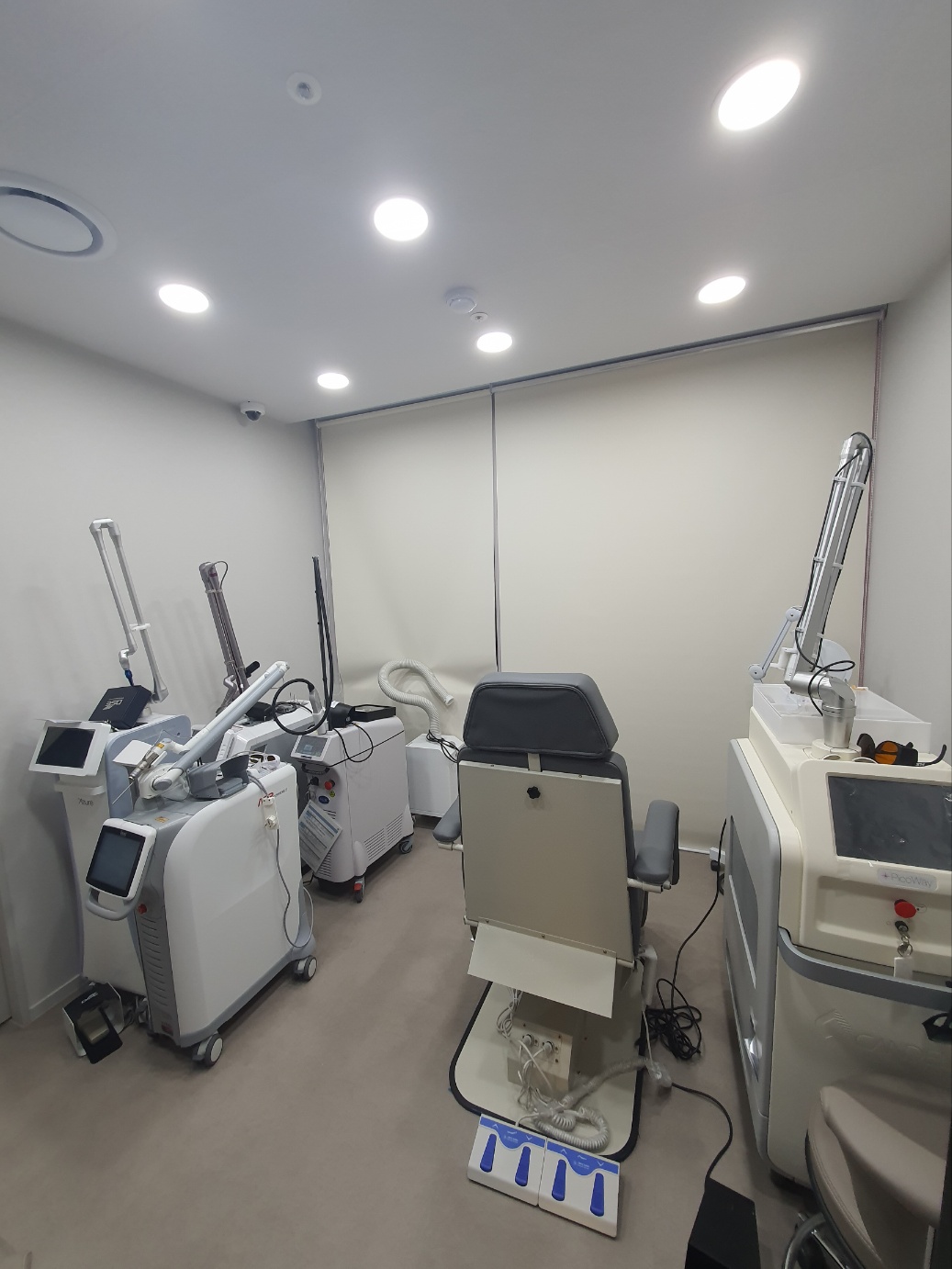
True structural rejuvenation requires a profound understanding of facial anatomy and customized treatment design to achieve natural, balanced outcomes. At LUNN Dermatology Clinic, we focus on delivering precise, evidence-based dermatological care that prioritizes your skin health and facial symmetry. I invite you to explore A Specialist's 2026 Guide to Anti-Aging Aesthetic Clinic Cheongdam: Achieving Structural Harmony to understand how advanced dermatological concepts are applied to preserve youthful tissue dynamics.
1. Defining Advanced Anti-Aging Therapy in Gangnam
Advanced anti-aging therapy represents a comprehensive branch of specialized dermatology aimed at restoring the structural integrity and cellular vitality of aging cutaneous tissues. Rather than focusing solely on surface-level alterations, this clinical discipline combines energy-based technologies with biochemical tissue stimulators to manage the natural aging process from the inside out.
What Constitutes True Anti-Aging Dermatology?
True anti-aging dermatology focuses on addressing the biological mechanisms of skin decline rather than simply masking the visible signs of surface fine lines. In the context of finding a specialized anti-aging clinic Gangnam provides, sophisticated patients seek a comprehensive methodology that restores dermal structural components. This scientific approach targets the depletion of critical structural proteins, primarily collagen types 1 and 3, which decrease at an average rate of 1% annually after the age of 20. By evaluating the skin through advanced multi-spectral analysis, clinicians can identify micro-structural deficiencies before they manifest as deep wrinkles or severe tissue laxity. A specialized clinical environment ensures that therapies are tailored to individual cellular renewal cycles, which typically span 28 to 45 days depending on the biological age of the patient. Understanding these parameters enables the formulation of precise, long-term therapeutic interventions.
The Evolution of Non-Surgical Facial Rejuvenation
The clinical paradigm of facial rejuvenation has transitioned dramatically over the last two decades from aggressive surgical alterations to sophisticated non-surgical modalities. Modern aesthetic medicine heavily relies on advanced energy-based devices and bio-stimulatory injectables to achieve predictable, natural-looking modifications without prolonged surgical recovery periods. Clinicians utilize targeted micro-focused ultrasound to reach deep tissue depths of up to 4.5mm, interacting directly with the superficial muscular aponeurotic system. Concurrently, monopolar radiofrequency technology precisely heats the dermis to optimal temperatures ranging from 60 to 65 degrees Celsius, which induces immediate triple-helix collagen contraction. These non-invasive advancements allow patients to maintain their daily professional schedules while undergoing structured aesthetic treatments. The shift toward incremental, bio-compatible refinement ensures that structural facial rejuvenation remains safe, highly precise, and completely customized to the unique lifestyle demands of discerning international patients.
Why Structural Customization Matters for Individual Anatomy
Every individual possesses a highly unique anatomical framework defined by distinct bone densities, superficial fat pad distributions, and varying dermal thicknesses. Consequently, uniform or standardized treatment protocols frequently fail to produce satisfactory results or may even alter natural expressions undesirably. Customized structural mapping allows the dermatologist to analyze specific facial vectors and calculate precise energy delivery distributions across different anatomical zones. For instance, treating a patient with prominent zygomatic structures requires completely different depth configurations compared to managing lower facial laxity. By adjusting clinical parameters such as pulse duration, micro-joule energy levels, or vector angles, clinicians can avoid excessive volume deflation or asymmetrical outcomes. This hyper-personalized approach respects the innate balance of the face, reinforcing weak structural points while preserving the essential movements that define an individual's natural personality and unique expressions.
2. Personalized Architectural Designing for Ageless Skin
Personalized architectural designing for ageless skin is a highly specialized clinical methodology that treats the human face as a three-dimensional living structure requiring customized structural planning. This method focuses on restoring natural volume, reinforcing weakened retaining ligaments, and enhancing skin elasticity by mapping out precise treatment zones customized to each individual's anatomical needs.
The 1mm Principle: Achieving Balanced Natural Harmony
The philosophy of subtle structural adjustments underpins the highly regarded 1mm principle, which dictates that microscopic alterations in facial volume and vector angles can fundamentally transform overall visual harmony. At LUNN Dermatology Clinic, I personally implement this rigorous standard to ensure that every lifting and contouring intervention remains entirely natural and anatomically balanced. Modifying a specific facial vector by merely 1 or 2 millimeters can noticeably elevate a tired appearance without creating an artificial or over-filled look. This meticulous methodology requires an intimate understanding of retaining ligaments and deep fascial layers, allowing for precise placement of energy or bio-stimulators. By focusing on these minute details, the treatment respects the patient's original facial architecture while gently mitigating the descending vectors caused by gravity. The ultimate goal is to achieve an elegant, refreshed version of oneself, avoiding the stereotypical signs of exaggerated aesthetic intervention.
Layered Structural Rejuvenation from Epidermis to Deep Fascia
Comprehensive structural rejuvenation demands a multi-tiered therapeutic strategy that addresses every distinct anatomical layer of the face sequentially. Aging does not occur in isolation; it simultaneously affects the cellular turnover of the epidermis, the collagen density of the dermis, the stability of subcutaneous fat compartments, and the tension of the deep muscular fascia. To address this complexity, a multi-layer treatment protocol utilizes different specialized modalities optimized for specific tissue depths. For example, superficial laser resurfacing targets the epidermal layer at depths under 1.0mm, while monopolar radiofrequency delivers volumetric heating into the deep dermis up to 3.0mm. Finally, micro-focused ultrasound safely reaches the deep fascial layers at 4.5mm to provide a structural tightening effect. Addressing all these layers in a coordinated, sequential manner maximizes the overall regenerative outcome and helps preserve structural integrity over time.
Balancing Energy-Based Devices with Tailored Injectable Therapies
Achieving comprehensive facial harmony often requires combining the structural tightening effects of energy-based devices with the volume-restoring capabilities of personalized injectable therapies. While advanced lasers and ultrasound devices are exceptional at tightening loose tissue networks, they cannot replace the structural volume loss that naturally occurs as subcutaneous fat pads atrophy over time. Conversely, injectables provide localized contouring but do not improve general skin laxity or superficial dermal texturing. By strategically scheduling these modalities, a dermatologist can create a powerful therapeutic synergy. For instance, administering a monopolar radiofrequency treatment can first tighten the dermal matrix, followed by the precise placement of structural volumizers 2 to 4 weeks later to restore youthful contours. This balanced dual-action strategy ensures that both the structural framework and the overlying soft tissues are addressed, leading to optimal aesthetic outcomes.
3. Comparing Core Anti-Aging Modalities: Lifting, Volume, and Texture Rejuvenation
Comparing core anti-aging modalities involves a detailed scientific analysis of the unique physiological mechanisms, tissue depths, and clinical indications associated with various non-surgical treatments. Selecting the correct intervention requires evaluating whether the patient requires deep tissue lifting, volumetric restoration, or superficial epidermal refinement to achieve optimal dermal health. To help guide this decision, A Specialist's 2026 Guide to Dermatologist-Led Skin Analysis: Achieving Structural Harmony at LUNN offers a detailed look into objective structural evaluation techniques.
| Modality Type | Target Tissue Depth | Primary Mechanism | Typical Response Window |
|---|---|---|---|
| Micro-Focused Ultrasound | 1.5mm to 4.5mm | Focal thermal coagulation | 3 to 6 months |
| Monopolar Radiofrequency | 1.0mm to 3.0mm | Volumetric deep dermal heating | 2 to 4 months |
| Bio-Stimulatory Injectables | Subcutaneous layer | Fibroblast activation | 3 to 6 months |
| Hyaluronic Acid Volumizers | Deep dermis / Periosteum | Mechanical space-filling | Immediate |
High-Intensity Focused Ultrasound versus Monopolar Radiofrequency
Understanding the fundamental technological distinctions between high-intensity focused ultrasound and monopolar radiofrequency is essential for selecting the appropriate anti-aging protocol. Ultrasound technology utilizes focused acoustic waves to generate precise thermal coagulation zones at specific depths, primarily targeting the deep fascial layers to create a mechanical lifting effect. In contrast, monopolar radiofrequency delivers uniform, bulk electrical energy throughout the dermal layers, stimulating wide-scale collagen contraction and structural tightening. While ultrasound is highly suitable for addressing structural sagging along the jawline, radiofrequency excels at treating superficial skin laxity and thinning textures around delicate areas. Combining these two complementary energy sources within a structured treatment plan allows for multi-depth tissue rejuvenation. Clinical parameters must be carefully managed to avoid excessive thermal accumulation, ensuring a safe experience that respects the unique physiological tolerances of each patient's skin matrix.
Collagen Stimulators versus Traditional Dermal Volumizers
The distinction between bio-compatible collagen stimulators and traditional hyaluronic acid volumizers represents a major evolutionary step in non-surgical facial rejuvenation. Traditional dermal fillers utilize cross-linked hyaluronic acid gels to provide immediate, mechanical volume restoration by physically occupying space beneath the skin matrix. While this offers instant gratification, the results are entirely dependent on the physical presence of the gel, which gradually degrades over 6 to 12 months. On the other hand, collagen stimulators compositionally leverage materials such as poly-D,L-lactic acid or polynucleotides to trigger a localized fibroblast response. This biological pathway encourages the body to gradually synthesize its own endogenous collagen matrix over a period of 3 to 6 months. While the volume change is incremental, the final outcome offers a highly natural feel and superior long-term tissue integration.
Selecting the Optimal Treatment Matrix for Your Specific Skin Age
Determining the most effective combination of anti-aging therapies requires a thorough, professional assessment of an individual's specific skin age and structural baseline. A personalized analysis at LUNN Dermatology Clinic helps determine whether a patient requires preventative maintenance or advanced corrective rejuvenation based on objective clinical markers. For individuals in their late 20s or early 30s, the primary focus is often preserving existing collagen density using mild radiofrequency sessions or superficial skin boosters. For patients experiencing more advanced structural shifts, such as deep nasolabial folds or noticeable jawline laxity, a comprehensive matrix combining micro-focused ultrasound with bio-stimulatory injectables is frequently indicated. This structured approach prevents overtreatment, controls costs responsibly, and aims to ensure that every intervention directly addresses the true underlying causes of facial aging rather than merely treating superficial symptoms on the skin surface. Please note that individual results may vary, and temporary side effects like redness or swelling can occur.
4. Clinical Safety Protocols and Navigating Potential Side Effects
Clinical safety protocols comprise a structured framework of medical guidelines, diagnostic checks, and post-procedure management strategies designed to minimize procedural risks. Ensuring a secure treatment experience requires a comprehensive pre-treatment health review, strict adherence to sterile protocols, and clear post-treatment monitoring to identify and resolve skin changes promptly.
Understanding Normal Recovery Responses versus Adverse Reactions
Differentiating between anticipated physiological recovery signs and genuine adverse clinical events is crucial for maintaining patient safety and peace of mind. Following advanced non-surgical interventions, the skin naturally undergoes an inflammatory phase necessary to trigger the body's native wound-healing and collagen-remodeling mechanisms. This expected biological response frequently manifests as mild erythema, slight localized edema, or transient tenderness across the treated zones. These temporary signs typically emerge immediately post-procedure and resolve spontaneously within a standard timeframe of 2 to 7 days. Conversely, atypical adverse reactions, such as persistent blistering, severe asymmetric swelling, or localized skin blanching, demand immediate clinical evaluation. Educating patients on these distinct physiological differences ensures that any unexpected post-care variations are recognized early and managed with appropriate medical guidance to prevent long-term complications or compromised aesthetic outcomes.
Managing Post-Treatment Erythema and Temporary Edema Responsibly
Responsible post-procedure management is key to minimizing temporary treatment-induced side effects like erythema and localized edema while protecting the skin barrier. When energy-based devices deliver thermal energy to the deep dermis, the resulting vasodilation naturally causes temporary redness and swelling. To manage these expected responses effectively, clinicians recommend adhering to strict post-care protocols during the critical 48-hour post-treatment window. Patients should avoid strenuous physical exercise, high-temperature environments like saunas, and aggressive topical skincare products containing retinoids or exfoliating acids. Instead, applying intensive barrier-repair creams formulated with ceramides and broad-spectrum mineral sunscreens helps soothe the epidermis and prevent post-inflammatory pigmentary changes. While these minor side effects are generally self-limiting, maintaining open communication with your clinical team provides continuous reassurance and ensures a smooth, comfortable transition back to daily life.
The Critical Role of Board-Certified Expertise in Risk Mitigation
Selecting an experienced, board-certified dermatologist is the single most critical factor in mitigating procedural risks and ensuring a highly secure clinical experience. Advanced energy-based devices and structural injectables are powerful medical instruments that require a profound understanding of facial anatomy and vascular patterns. An expert clinician accurately maps individual nerve pathways and major blood vessels to avoid serious complications, such as accidental vascular occlusion or temporary marginal mandibular nerve weakness. Furthermore, a specialist ensures that every procedure at LUNN Dermatology Clinic is executed safely by customizing energy parameters precisely to each patient's specific tissue tolerance. In the rare event of an irregular post-treatment reaction, a board-certified professional possesses the necessary medical training to diagnose and intervene immediately. This advanced level of clinical oversight provides patients with absolute confidence throughout their long-term structural rejuvenation journey.
To learn more about a specialized, individual approach to dermatological care, consider reading A Specialist's 2026 Guide to a Premium Dermatologist in Cheongdam Gangnam: Achieving Structural Harmony at LUNN.
Key Takeaways
- True anti-aging care requires a personalized, multi-layered approach targeting the skin from the epidermis down to the deep fascial layers.
- Combining energy-based devices with bio-stimulatory injectables addresses both tissue laxity and structural volume loss effectively.
- Expected physiological responses include mild erythema and temporary edema, which generally resolve within a few days under proper guidance.
- Choosing a board-certified dermatologist ensures precise anatomic mapping, appropriate energy customization, and rigorous clinical safety.
Frequently Asked Questions
Q. What is the primary difference between preventative anti-aging and corrective rejuvenation?
Preventative anti-aging focuses on slowing down early collagen degradation and maintaining skin elasticity, typically using mild energy-based devices. Corrective rejuvenation addresses established clinical signs such as deep wrinkles, volume loss, and structural sagging through a combination of targeted lifting and dermal remodeling. Both approaches are valuable depending on your baseline skin condition.
Q. How do energy-based lifting treatments stimulate natural collagen production?
These treatments deliver precise thermal energy to the deep dermal layers or the superficial muscular aponeurotic system, causing controlled micro-coagulation. This process triggers the body's natural wound-healing response, leading to gradual neocollagenesis and tissue remodeling over several months. The result is an incremental improvement in skin firmness and structural tautness.
Q. What factors influence the pricing structure of premium anti-aging treatments in Cheongdam?
Pricing is determined by the specific modalities utilized, the customized energy parameters, and the total number of treatment lines or product volume required. The medical expertise of the dermatologist performing the procedure also plays a key role in structuring comprehensive treatment plans. Detailed transparent pricing models are thoroughly discussed during your initial individualized assessment.
Q. What are the common potential side effects or temporary reactions after a deep lifting procedure?
Patients may experience mild erythema, slight swelling, transient tenderness, or temporary bruising at the treatment site. These reactions are typically minor biological responses to thermal energy and resolve spontaneously within a few days to a week. Adhering to provided post-procedure guidelines helps ensure a smooth, uneventful recovery.
Q. Is there extensive recovery downtime required after a combination anti-aging session?
Most modern non-surgical anti-aging procedures are designed to minimize severe disruption to your routine, allowing a rapid return to daily activities. While minor swelling or redness may occur immediately after the session, it rarely interferes with professional or social schedules. Specific post-care protocols are provided to optimize recovery.
Q. How do I choose between an energy-based tightening treatment and a structural injectable?
The choice depends on whether the primary concern is skin laxity or volume depletion. Energy-based devices excel at tightening loose tissue networks, whereas structural injectables or collagen stimulators are ideal for restoring lost facial volumes. A comprehensive physical evaluation helps determine the correct synergy for your anatomy.
Q. How frequently should advanced anti-aging procedures be performed to maintain optimal skin harmony?
Maintenance schedules are highly individualized based on skin age, genetic factors, and lifestyle habits. Generally, high-focused energy treatments are recommended once or twice a year, supplemented by periodic maintenance sessions to preserve structural integrity. Your long-term plan is adjusted dynamically based on continuous clinical evaluations.
For a detailed structural analysis or to discuss a tailored treatment matrix, please feel free to reach out to LUNN Dermatology Clinic for an individualized consultation.
LUNN Dermatology Clinic / Dr. Park Hyungkwon
FAQ
- What is the primary difference between preventative anti-aging and corrective rejuvenation?
- Preventative anti-aging focuses on slowing down early collagen degradation and maintaining skin elasticity, typically using mild energy-based devices. Corrective rejuvenation addresses established clinical signs such as deep wrinkles, volume loss, and structural sagging through a combination of targeted lifting and dermal remodeling. Both approaches are valuable depending on your baseline skin condition.
- How do energy-based lifting treatments stimulate natural collagen production?
- These treatments deliver precise thermal energy to the deep dermal layers or the superficial muscular aponeurotic system, causing controlled micro-coagulation. This process triggers the body's natural wound-healing response, leading to gradual neocollagenesis and tissue remodeling over several months. The result is an incremental improvement in skin firmness and structural tautness.
- What factors influence the pricing structure of premium anti-aging treatments in Cheongdam?
- Pricing is determined by the specific modalities utilized, the customized energy parameters, and the total number of treatment lines or product volume required. The medical expertise of the dermatologist performing the procedure also plays a key role in structuring comprehensive treatment plans. Detailed transparent pricing models are thoroughly discussed during your initial individualized assessment.
- What are the common potential side effects or temporary reactions after a deep lifting procedure?
- Patients may experience mild erythema, slight swelling, transient tenderness, or temporary bruising at the treatment site. These reactions are typically minor biological responses to thermal energy and resolve spontaneously within a few days to a week. Adhering to provided post-procedure guidelines helps ensure a smooth, uneventful recovery.
- Is there extensive recovery downtime required after a combination anti-aging session?
- Most modern non-surgical anti-aging procedures are designed to minimize severe disruption to your routine, allowing a rapid return to daily activities. While minor swelling or redness may occur immediately after the session, it rarely interferes with professional or social schedules. Specific post-care protocols are provided to optimize recovery.
- How do I choose between an energy-based tightening treatment and a structural injectable?
- The choice depends on whether the primary concern is skin laxity or volume depletion. Energy-based devices excel at tightening loose tissue networks, whereas structural injectables or collagen stimulators are ideal for restoring lost facial volumes. A comprehensive physical evaluation helps determine the correct synergy for your anatomy.
- How frequently should advanced anti-aging procedures be performed to maintain optimal skin harmony?
- Maintenance schedules are highly individualized based on skin age, genetic factors, and lifestyle habits. Generally, high-focused energy treatments are recommended once or twice a year, supplemented by periodic maintenance sessions to preserve structural integrity. Your long-term plan is adjusted dynamically based on continuous clinical evaluations.