
Post
A Dermatologist's 2026 Guide to Advanced Laser for Acne Scars: Achieving Structural Harmony
Hello, I am Dr. Park Hyoung-kwon, a dermatology specialist at LUNN in Cheongdam and Apgujeong Rodeo :).
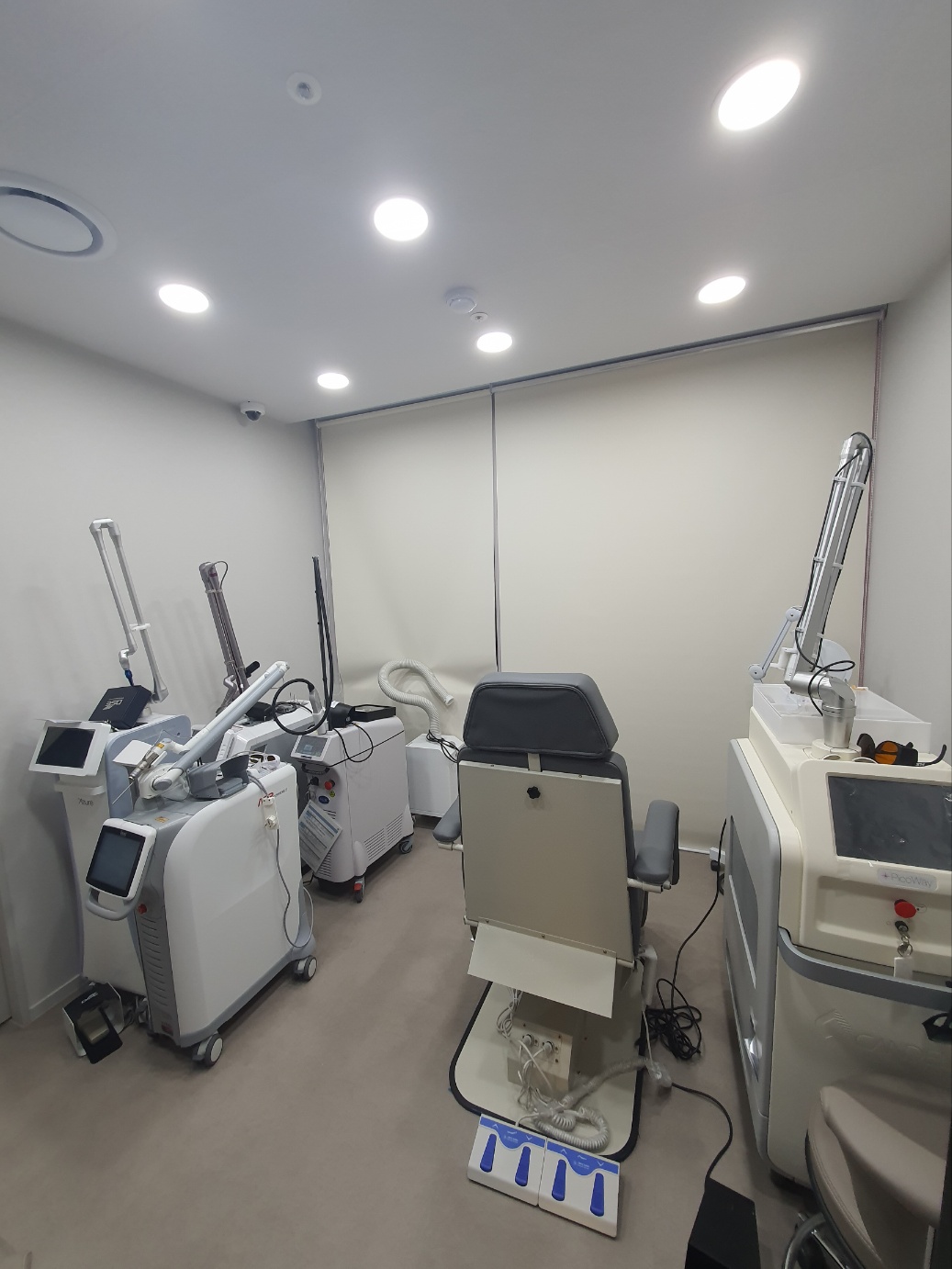
When addressing acne scars, we are not merely treating the surface but engaging in a sophisticated process of structural skin design. Advanced laser for acne scars is a medical technology that utilizes precise light energy to stimulate the skin’s internal regenerative capabilities. By targeting the deeper dermal layers, these systems facilitate the replacement of fibrotic scar tissue with new, healthy collagen and elastin fibers. This guide explores the scientific mechanisms, comparative efficacy, and personalized protocols necessary to achieve a harmonious and refined skin texture through modern dermatological interventions.
Understanding Advanced Laser for Acne Scars: Redefining Skin Texture
Advanced laser for acne scars is defined as a non-invasive or minimally invasive procedure that uses specific wavelengths of light to create controlled thermal injuries in the skin. These micro-injuries initiate a biological repair mechanism that remodels the structural integrity of the dermis, effectively smoothing out irregularities caused by past inflammatory acne episodes.
The Science of Collagen Remodeling through Light Energy
Advanced laser systems operate on the principle of selective photothermolysis, where specific wavelengths target water or chromophores in the skin to induce controlled micro-injuries. When these light pulses reach the dermal layers, they generate localized heat that triggers the natural wound-healing cascade. This biological response activates fibroblasts, the cells responsible for synthesizing new extracellular matrix components. In the context of acne scars, this process is essential for replacing disorganized, fibrotic tissue with healthy collagen fibers. Clinical observations suggest that most patients require between 3 and 5 sessions to notice significant textural improvements, as collagen remodeling is a gradual physiological event. By creating microscopic treatment zones, these lasers stimulate the skin to heal from the inside out, effectively leveling the surface over time. At LUNN, we focus on the specific anatomical structure and biological resistance of each patient to determine the optimal energy density. This precision ensures that the thermal energy stimulates regeneration without causing unnecessary damage to the surrounding healthy tissue.
Ablative vs. Non-Ablative Technologies in Scars
Choosing between ablative and non-ablative technologies is a critical decision in managing various types of acne scarring. Ablative lasers, such as CO2 or Erbium:YAG systems, work by removing the thin outer layer of the skin and heating the underlying dermis. This approach often leads to more dramatic results in a single session, though it typically involves a recovery period of 5 to 7 days for the surface to re-epithelialize. Conversely, non-ablative lasers leave the skin surface intact, delivering thermal energy deep into the dermal layers to stimulate collagen without creating an open wound. While non-ablative treatments generally require more sessions, usually spaced 4 to 6 weeks apart, they offer the advantage of minimal downtime, often just 1 to 2 days of mild redness. At LUNN, the selection depends on a thorough analysis of the depth of the scars and the patient's lifestyle requirements. We balance clinical efficacy with safety to ensure the most appropriate technology is applied to the individual’s unique skin structural profile, adhering to our philosophy of "Refining the Details."
Defining Individualized Success in Scar Treatment
Success in scar treatment is not a standardized metric but an individualized outcome based on the specific morphology of the scarring. Scars come in various forms, such as icepick, boxcar, and rolling scars, each requiring a different depth of penetration and energy intensity. A single session of advanced laser for acne scars may show early signs of improvement, but the peak of collagen synthesis usually occurs between 3 and 6 months after the final treatment. It is important to acknowledge that while these technologies significantly improve texture, individual results may vary based on skin type, age, and the severity of the initial damage. At LUNN, we prioritize a thorough diagnostic phase to set realistic expectations for each patient. By analyzing the 1mm differences in scar depth, we can customize the laser parameters to target specific layers effectively. This strategic planning ensures that the skin’s natural harmony is restored through a series of progressive, controlled changes rather than aggressive, singular interventions, as I believe natural results reflect true skill.
Comparative Analysis: Traditional Methods vs. Advanced Laser Solutions
Comparative analysis in dermatology involves evaluating different therapeutic modalities based on their clinical efficacy, patient safety, and recovery timelines. Traditional methods like manual microneedling have long been used to stimulate collagen, but modern laser solutions offer enhanced precision and the ability to customize energy delivery to the specific depth of the scar tissue.
| Feature | Traditional Microneedling | Advanced Laser (Non-Ablative) | Advanced Laser (Ablative) |
|---|---|---|---|
| Mechanism | Mechanical micro-injury | Targeted thermal energy | Surface vaporization & heat |
| Precision | Manual/Variable | Digital/Highly Precise | Digital/High Intensity |
| Downtime | 2 to 3 days | 1 to 2 days | 5 to 7 days |
| Sessions | 5 to 10+ | 3 to 5 | 1 to 3 |
| Risk Level | Low | Low to Moderate | Moderate |
Efficacy Comparison between Microneedling and Modern Lasers
When comparing traditional microneedling with advanced laser for acne scars, the primary difference lies in the level of control and the depth of biological stimulation. Microneedling relies on mechanical needles to create physical channels, which is effective for mild texture issues but operates through mechanical rather than thermal mechanisms, which may result in different outcomes for deep dermal remodeling. In contrast, modern lasers deliver consistent energy that can be adjusted in increments as small as 0.1mm, allowing for precise targeting of the scar base. Clinical data indicates that laser treatments often result in a higher density of collagen production compared to mechanical needling alone. At LUNN, we emphasize that treating complex scars requires a detailed plan rather than a standardized equipment list. We adjust parameters based on the thickness of the skin and the severity of the fibrotic tissue. Furthermore, lasers allow for the treatment of associated pigmentary changes simultaneously. While microneedling remains a viable option for general skin maintenance, advanced lasers provide the focused power required for structural restoration in scarred tissue.
Safety Profiles and Suitability for Different Skin Tones
Safety is the paramount consideration when applying high-energy devices to the skin, especially for individuals with darker skin tones who are at higher risk for post-inflammatory hyperpigmentation. Traditional high-energy treatments carried a greater risk of thermal damage to the surrounding pigment-producing cells. However, advanced laser for acne scars now utilizes fractional technology, which leaves bridges of untreated skin to accelerate healing and reduce the likelihood of side effects. At LUNN, we carefully select wavelengths that bypass the melanin-rich epidermis to reach the target dermis safely. This approach minimizes the risk of darkening while still achieving the desired collagen remodeling. It is essential for patients to follow pre-treatment protocols, such as avoiding sun exposure for at least 2 to 4 weeks, to ensure the skin is in an optimal state for the procedure. By strictly adhering to these safety protocols and conducting a direct analysis of the skin before every session, we can treat a wide range of skin tones with a high degree of confidence in the procedural outcome.
The LUNN Approach: Strategic Layers for Structural Restoration
The LUNN approach to skin rejuvenation is defined by a commitment to "Refining the Details and Achieving Perfect Harmony." This philosophy involves a multi-layered analysis of the skin’s structure, ensuring that every treatment plan at LUNN is tailored to the unique physiological characteristics of the individual rather than following a generic, factory-like protocol.
Analyzing 1mm of Depth: The Importance of Precision
In the field of dermatology, a difference of 1mm in treatment depth can be the determining factor between a successful result and an ineffective one. Acne scars often extend into various depths of the dermis, meaning a superficial treatment will not reach the root of the problem. At LUNN, we prioritize a thorough state analysis before initiating advanced laser for acne scars. This allows us to adjust the laser’s focal point with extreme precision, ensuring that the energy is deposited exactly where the fibrotic tissue is most dense. By focusing on these minute details, we can achieve more consistent results across different areas of the face. Our approach avoids the "one size fits all" methodology. Instead, we treat the skin as a three-dimensional landscape, addressing each scar with the specific intensity and depth required for its unique structural characteristics. This meticulous attention to detail, which I oversee personally from consultation to the final touch, is what allows us to restore a natural and balanced skin surface.
Synergy Effects: Combining Laser with Bio-Stimulators
Achieving an optimal outcome often requires a synergistic approach where advanced laser for acne scars is integrated with regenerative treatments. While the laser provides the thermal stimulus to break down old scars, our "Signature Synergy Program" focuses on providing the essential skin environment needed for enhanced results. These agents work in tandem with the laser to improve the overall condition of the skin during the remodeling phase. At LUNN, we have observed that combining these modalities can lead to a more refined texture and improved skin density compared to single-modality treatments. This synergy is particularly effective for enhancing the overall skin condition, similar to how we treat ground before planting. We design these combined protocols based on the patient’s specific skin resistance and regenerative capacity. By layering different treatments, we address both the physical indentations of the scars and the underlying structural health of the skin. This comprehensive strategy ensures that the improvements are long-lasting and biologically sound.
Essential Safety Protocols and Long-Term Maintenance
Safety protocols and long-term maintenance are the foundations of successful dermatological outcomes, ensuring that the benefits of the procedure are preserved while minimizing the risk of adverse reactions. Managing the skin’s inflammatory response through careful post-operative care is just as important as the laser treatment itself in achieving the desired results.
Managing Potential Risks: Erythema and Sensitivity Awareness
Every medical procedure involving energy-based devices carries a degree of risk, and advanced laser for acne scars is no exception. Patients may experience temporary side effects such as erythema (redness), localized swelling, or a feeling of heat in the treated area. These are normal parts of the inflammatory response required to trigger collagen remodeling. However, it is crucial to monitor these symptoms to ensure they do not lead to prolonged sensitivity. At LUNN, I personally provide post-care guidance, emphasizing the use of gentle, non-irritating cleansers and barrier-repairing moisturizers. We inform patients that while significant complications are rare, individual sensitivity can vary, and some may require a longer recovery window or multiple sessions to reach their goals. It is also vital to avoid active ingredients like retinoids for at least one week following the session and to prioritize UV protection, which is essential for skin immunity. By maintaining honest communication, we ensure that the skin transitions smoothly through the regeneration phase without unnecessary complications.
A Dermatologist's 2026 Guide to Skin Botox for Fine Lines and Pores: Achieving Dermal Harmony A Specialist's 2026 Guide to Skin Boosters for Collagen Production: Achieving Refined Harmony
Key Takeaways
- Advanced laser treatments for acne scars work by inducing controlled thermal micro-injuries that trigger the skin’s natural collagen remodeling process.
- Treatment plans must be individualized, as different scar types (icepick, boxcar, rolling) require specific depths and energy settings for effective restoration.
- A series of 3 to 5 sessions is typically recommended, with final structural improvements peaking around 3 to 6 months post-treatment.
- Combining lasers with regenerative "Synergy Programs" can enhance the overall outcome and improve the density and health of the treated skin.
- Strict adherence to post-care protocols and UV protection is essential to maintain results and prevent complications like post-inflammatory hyperpigmentation.
Frequently Asked Questions
Q. What exactly is an advanced laser for acne scars and how does it work?
Advanced laser treatments utilize concentrated light energy to create microscopic thermal zones in the skin. This process triggers a natural healing response that replaces damaged scar tissue with fresh collagen and elastin fibers, effectively smoothing the skin's surface. At LUNN, we calibrate these settings to match the specific structural needs of your skin for optimal restoration.
Q. Is the procedure painful or are there significant side effects?
While the sensation varies by individual, discomfort is usually managed with topical numbing agents applied before the procedure. Potential side effects like temporary redness or swelling may occur, but these are normal parts of the inflammatory response necessary for tissue remodeling. We provide detailed post-care protocols to ensure a safe and comfortable recovery process.
Q. How many sessions are typically required for noticeable improvement?
Individual results vary based on the depth and type of scarring you have. Generally, a series of 3 to 5 sessions spaced several weeks apart is recommended to achieve a significant improvement in texture and harmony. We monitor your progress at LUNN to adjust the treatment plan as your skin begins its regenerative journey.
Q. Can advanced lasers be used on all skin types and colors?
Modern laser technology allows for specific wavelength and pulse duration adjustments to safely treat darker skin tones. A personalized consultation at LUNN is vital to determine the safest settings and minimize the risk of post-inflammatory hyperpigmentation. We prioritize safety by choosing technology that targets the dermis while protecting the pigment-rich epidermis.
Q. What is the typical downtime after a scar laser treatment?
Downtime depends largely on the intensity of the laser settings and the technology used. Non-ablative lasers may result in only 1 to 2 days of mild redness, while deeper ablative resurfacing may require 5 to 7 days for the skin to fully regenerate. We help you choose a treatment path that aligns with your lifestyle and recovery preferences.
Q. Are the results from these laser treatments permanent?
The remodeled collagen contributes to long-term structural support, though natural aging and individual skin changes continue over time. However, maintaining these results requires a consistent skincare routine and strict protection against UV damage to prevent new signs of aging or texture issues. Long-term skin health is a collaborative effort between clinical treatment and daily care.
Q. Can I combine laser treatments with other aesthetic procedures?
Yes, at LUNN, we often combine lasers with regenerative skin conditioners to enhance the skin's structural recovery. This "Signature Synergy Program" approach can improve the efficiency of collagen production and lead to more refined results. We will design a specific protocol based on your unique skin resistance and aesthetic goals.
Refining the Details. Achieving Perfect Harmony. For personalized inquiries or to schedule a consultation regarding your skin’s structural needs, please visit LUNN. You can also follow my clinical insights on Threads @dr.lunn.
LUNN / Dr. Park Hyoung-kwon
FAQ
- What exactly is an advanced laser for acne scars and how does it work?
- Advanced laser treatments utilize concentrated light energy to create microscopic thermal zones in the skin. This process triggers a natural healing response that replaces damaged scar tissue with fresh collagen and elastin fibers, effectively smoothing the skin's surface. At lunnclinic, we calibrate these settings to match the specific structural needs of your skin for optimal restoration.
- Is the procedure painful or are there significant side effects?
- While the sensation varies by individual, discomfort is usually managed with topical numbing agents applied before the procedure. Potential side effects like temporary redness or swelling may occur, but these are normal parts of the inflammatory response necessary for tissue remodeling. We provide detailed post-care protocols to ensure a safe and comfortable recovery process.
- How many sessions are typically required for noticeable improvement?
- Individual results vary based on the depth and type of scarring you have. Generally, a series of 3 to 5 sessions spaced several weeks apart is recommended to achieve a significant improvement in texture and harmony. We monitor your progress at lunnclinic to adjust the treatment plan as your skin begins its regenerative journey.
- Can advanced lasers be used on all skin types and colors?
- Modern laser technology allows for specific wavelength and pulse duration adjustments to safely treat darker skin tones. A personalized consultation at lunnclinic is vital to determine the safest settings and minimize the risk of post-inflammatory hyperpigmentation. We prioritize safety by choosing technology that targets the dermis while protecting the pigment-rich epidermis.
- What is the typical downtime after a scar laser treatment?
- Downtime depends largely on the intensity of the laser settings and the technology used. Non-ablative lasers may result in only 1 to 2 days of mild redness, while deeper ablative resurfacing may require 5 to 7 days for the skin to fully regenerate. We help you choose a treatment path that aligns with your lifestyle and recovery preferences.
- Are the results from these laser treatments permanent?
- The new collagen remodeled during the treatment becomes a permanent part of your skin's structural matrix. However, maintaining these results requires a consistent skincare routine and strict protection against UV damage to prevent new signs of aging or texture issues. Long-term skin health is a collaborative effort between clinical treatment and daily care.
- Can I combine laser treatments with other aesthetic procedures?
- Yes, at lunnclinic, we often combine lasers with regenerative agents like bio-stimulators to enhance the skin's structural recovery. This synergistic approach can improve the efficiency of collagen production and lead to more refined results. We will design a specific protocol based on your unique skin resistance and aesthetic goals.