
Post
A Dermatologist's 2026 Guide to Facial Rejuvenation and Under-Eye Refinement in Seoul: Achieving Structural Harmony
Facial rejuvenation and under-eye refinement in Seoul represent a specialized field of medical aesthetics focused on restoring the face's natural architecture through structural design and detail.
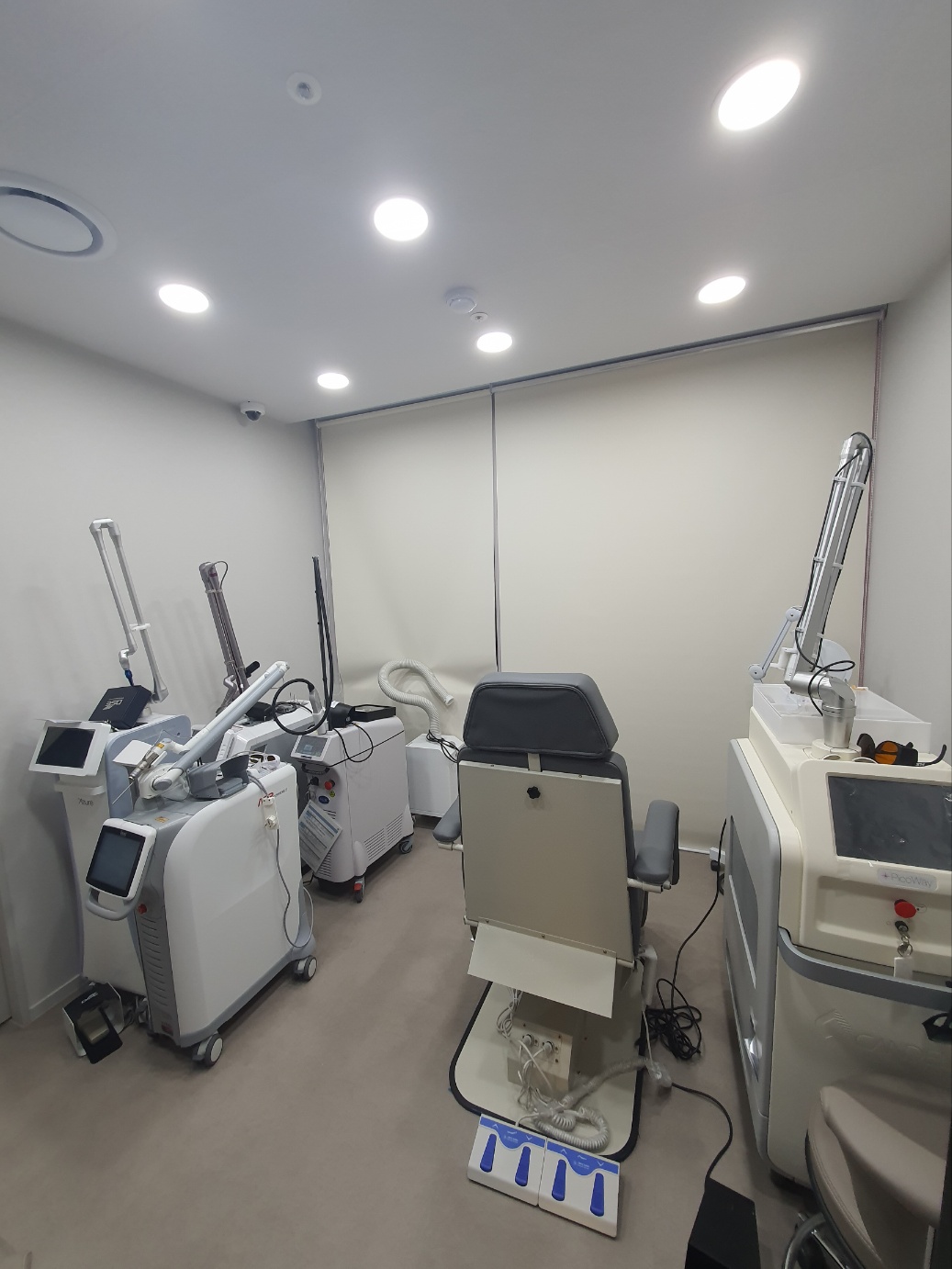
For many, aesthetic concerns like dark circles and sagging are not merely superficial but affect overall facial harmony. This guide explores the sophisticated methodologies used at Lunn Dermatology Clinic to address these structural changes from a specialist's perspective, ensuring you understand the principles of "Refining the Details" for long-term skin refinement.
Understanding Facial Aging: The Structural Perspective on Shadows
Aging is not just about wrinkles; it is about the changing relationship between light and shadow on the face. Structural irregularities form when the skin's support system weakens, leading to lasting depressions that create a tired appearance.
The "Shadow Erasing" Strategy for Under-Eye Concerns
Dark circles are often misunderstood as purely pigmentary issues. In my clinical experience, they are frequently caused by the "tear trough ligament" pulling the skin inward, creating a shadow. At Lunn Dermatology Clinic, we prioritize a "shadow erasing" strategy. For patients who feel they look tired despite adequate rest, we focus on the anatomical structure rather than just the skin surface. I prefer using low-hydrophilic fillers, such as Belotero, which draw less water. This choice is crucial to minimize the "Tyndall effect" or swelling (the bluish tint often seen with improper filler use). By addressing the boundary between the "mountain" of the cheek and the "valley" of the under-eye, we can achieve a natural transition, though individual results and anatomical conditions vary. Understanding this morphology is the first step toward effective refinement.
The Relationship Between Structural Support and Facial Sagging
Facial sagging is intrinsically linked to the integrity of the deeper dermal matrix and the SMAS (Superficial Muscular Aponeurotic System). As we age, the skin experiences a decline in elastin and collagen fibers. This loss causes the facial structures to slacken, making the face appear heavier or less defined. At Lunn Dermatology Clinic, we emphasize that specific one-size-fits-all treatments often fall short. Effective lifting requires a comprehensive approach to dermal thickening and structural repositioning. By analyzing the entire facial balance, we can restore the natural tension that keeps the face looking refined and youthful.
Why a Specialist's Direct Diagnosis is Vital
Many individuals seek treatments based on viral trends, yet these often fail to address the underlying structural defects. My role as a board-certified dermatologist is to distinguish between different textural concerns and identify the specific muscle thickness and fat volume of each patient. At LUNN, I personally handle every step—from consultation to the procedure and follow-up. A professional environment emphasizes customized care over standardized "factory-style" treatments to protect the long-term health of the dermis. Professional treatments provide a controlled environment where structural integrity is addressed without compromising the skin's protective barrier.
Precision Approaches for Layered Lifting and Contouring
Precision refinement at LUNN involves targeted energy and filler interventions to remodel tissue and stimulate new collagen. This multi-layered approach ensures that each layer of the face is addressed at its specific depth, providing a more uniform and natural result.
Layered Lifting: Ultherapy and Thermage Synergy
Lifting should be a "plan," not just a "device." Ultherapy targets the deep SMAS layer, providing structural foundation, while Thermage focuses on uniform elasticity throughout the dermis. At Lunn Dermatology Clinic, I often suggest a synergy program. Just like watering dry land, we might combine these with skin boosters to enhance the skin's condition, allowing the lasers to work more effectively. In my practice, I emphasize that "while Thermage starts the process, the completion lies in the follow-up care." This include specific protocols like avoiding saunas and maintaining moisture for at least one week. While individual outcomes depend on the skin's initial state, this layered approach offers a sustainable solution for complex aging concerns.
The "One Millimeter" Difference in Botox and Fillers
Botox and fillers are common, yet they are among the most difficult procedures to master. The difference lies in the "one millimeter" of placement, the dilution concentration, and the injection depth. To avoid a "frozen" expression or unnatural hollows (especially in the jawline), I carefully compare the muscle thickness on both sides of the face. At LUNN, we take a conservative approach—it is often better to under-treat slightly and observe the progress rather than over-correct. This philosophy of "letting go of greed" is what ensures a result that looks like you, just more refreshed.
Addressing Flat Warts: The Importance of Early Intervention
Beyond contouring, skin health involves managing contagious conditions like flat warts. These can spread quickly due to minor injuries from shaving or scrubbing—a phenomenon known as the Pseudo-Koebner effect. At LUNN, we treat these not just to remove the lesion, but to stimulate the local immune system to recognize the virus. For patients with flat warts, UV protection is not optional; it is essential, as UV rays can suppress local skin immunity, allowing the virus to spread more easily.
Advanced Strategies for Long-Term Refinement
Refinement is the clinical process of reinforcing the skin's natural barriers and structural sleeves. It focuses on restoring tension to prevent the slackening that occurs with aging and environmental stress.
The Importance of the "1-on-1 Responsibility" System
At Lunn Dermatology Clinic, the core asset is the "consistent responsibility" system. I believe that a natural result is the mark of true skill. This means I do not delegate consultations to staff and only perform the injections; I analyze the anatomical structure, fat volume, and even eye protrusion personally. This level of detail is necessary because even the best equipment is only as good as the eyes of the doctor using it. Just as a high-end camera doesn't guarantee a masterpiece, the outcome of a laser or filler treatment depends on the specialist's judgment.
Post-Procedure Maintenance and Lifestyle Factors
The longevity of rejuvenation results depends heavily on the patient's commitment to maintenance. Even the most successful clinical intervention can be undermined by chronic UV exposure. Using a broad-spectrum SPF 50 daily is non-negotiable. Furthermore, addressing underlying conditions like keratin buildup on the lips or feet is part of our holistic approach. For instance, what looks like dry lips might be contact cheilitis from lip balm ingredients. We use clinical evidence and research to provide the right diagnosis, ensuring your skin remains healthy at every level.
Managing Expectations for Natural Results
It is essential to understand that structural refinement is a biological process. While modern technology allows for significant improvement, I often tell my patients honestly: "A dramatic change in one session is difficult." We aim for a natural, harmonious transformation that makes people ask if you've been on a relaxing vacation, rather than asking what procedure you had done. Results manifest gradually as new collagen is synthesized over several months. By managing these expectations, we foster a relationship of trust and ensure you are satisfied with the long-term journey.
A Dermatologist's 2026 Guide to an English-speaking Dermatologist in Gangnam: Achieving Structural Harmony A Dermatologist's 2026 Guide to LUNN Dermatology Clinic Seoul: Refining Harmony A Dermatologist's 2026 Guide to Advanced Lifting and Fillers: Achieving Structural Harmony
Key Takeaways
- Facial rejuvenation requires a customized structural analysis to erase shadows and restore harmony.
- Under-eye refinement focuses on anatomical structure and low-hydrophilic fillers to prevent swelling.
- Lifting is a layered plan involving devices like Ultherapy and Thermage to target different depths of the skin.
- Lunn Dermatology Clinic prioritizes a 1-on-1 specialist system where Dr. Hyungkwon Park handles everything from consultation to treatment.
Frequently Asked Questions
Q. How many sessions are typically required for visible lifting results?
While some immediate tightening can be felt, the most significant improvements in skin texture and lifting manifest over 3 to 6 months as new collagen grows. Depending on the individual's skin condition, a single session may provide results, but a maintenance plan every 12 to 18 months is often recommended.
Q. Is there significant downtime after under-eye filler?
Using low-hydrophilic fillers like Belotero helps minimize swelling. Most patients can return to daily life immediately, though minor bruising or slight swelling may persist for a few days. We provide detailed recovery protocols to ensure a smooth healing process.
Q. How does LUNN differ from "factory-style" clinics?
At LUNN, Dr. Hyungkwon Park personally conducts the structural analysis and performs every procedure. We prioritize "Detail and Harmony" over high-volume turnover, ensuring that each patient receives a tailored plan based on their unique anatomy.
Q. Are the results of Botox and fillers permanent?
No, these treatments are temporary as the body gradually absorbs the products. However, the structural benefits of collagen stimulation can be long-lasting. Consistent maintenance and a healthy skincare routine are key to preserving a refreshed appearance.
Q. Can I receive lifting treatments if I have sensitive skin?
Yes. In fact, many lifting devices can be adjusted for sensitive skin. We often combine energy-based treatments with skin boosters to improve the skin's underlying health, making the procedure safer and more effective for those with reactive skin.
Q. What is the "shadow erasing" technique?
It is a method used for the under-eye area where we treat the anatomical depressions that cause dark circles. By filling the "valley" between the eye and cheek, we eliminate the structural shadow, leading to a much brighter and more youthful look without looking "overfilled."
Q. Is the procedure painful?
We prioritize patient comfort by using topical numbing creams and advanced cooling systems built into our devices. Most patients tolerate the treatments well, describing only a mild heat or tingling sensation. We adjust the intensity based on your individual comfort level.
Consultation and appointments are available via our website. Lunn Dermatology Clinic / Dr. Hyungkwon Park Threads @dr.lunn
FAQ
- How many sessions are typically required for visible acne scar improvement?
- While individual results vary, most patients require 3 to 5 sessions spaced several weeks apart to see significant improvement in skin texture and scar depth. We typically aim for a 50% to 70% reduction in visibility, which manifests gradually as new collagen is synthesized over a period of 3 to 6 months.
- Is there significant downtime after pore tightening treatments?
- Downtime depends on the specific device used for the procedure. Some non-ablative lasers allow for an immediate return to daily life with only mild redness, while fractional resurfacing may require 3 to 7 days for swelling and redness to subside. We work with each patient to select a modality that fits their social and professional schedule.
- Can I treat both active acne and old scars at the same time?
- It is generally recommended to stabilize active inflammation first to prevent new scars from forming during the revision process. However, certain treatments like RF microneedling can address mild breakouts while simultaneously working on textural revision, provided the infection is not severe. A professional diagnosis is required to determine the best timing for each patient.
- Are the results of acne scar revision permanent?
- The structural improvement in the skin is long-lasting because it involves the creation of new, healthy dermal tissue. However, maintaining these results requires a consistent skincare routine and protection against further environmental damage, particularly UV exposure. Natural aging will continue, so occasional maintenance treatments may be recommended every year or two.
- Do these treatments work for all skin tones and types?
- Yes, but the choice of laser or energy setting must be carefully adjusted by a specialist to prevent complications like post-inflammatory hyperpigmentation. Darker skin tones are particularly sensitive to certain heat levels, so we often utilize specialized non-ablative or RF modalities to ensure safety without compromising efficacy.
- What are the potential side effects of laser resurfacing?
- Common temporary side effects include redness, minor swelling, and temporary dryness as the skin heals. While rare complications like infection or permanent scarring are possible, these risks are minimized when the procedure is performed by a qualified dermatologist in a controlled medical environment. Following post-treatment protocols is essential to ensuring a safe recovery.
- Is the procedure painful?
- To ensure comfort, topical numbing creams are applied before the procedure, and cooling systems are often used during the treatment. While some heat or a mild stinging sensation may be felt, the procedures are generally well-tolerated by most patients. We adjust the intensity of the treatment based on individual pain tolerance to maintain a comfortable experience.